

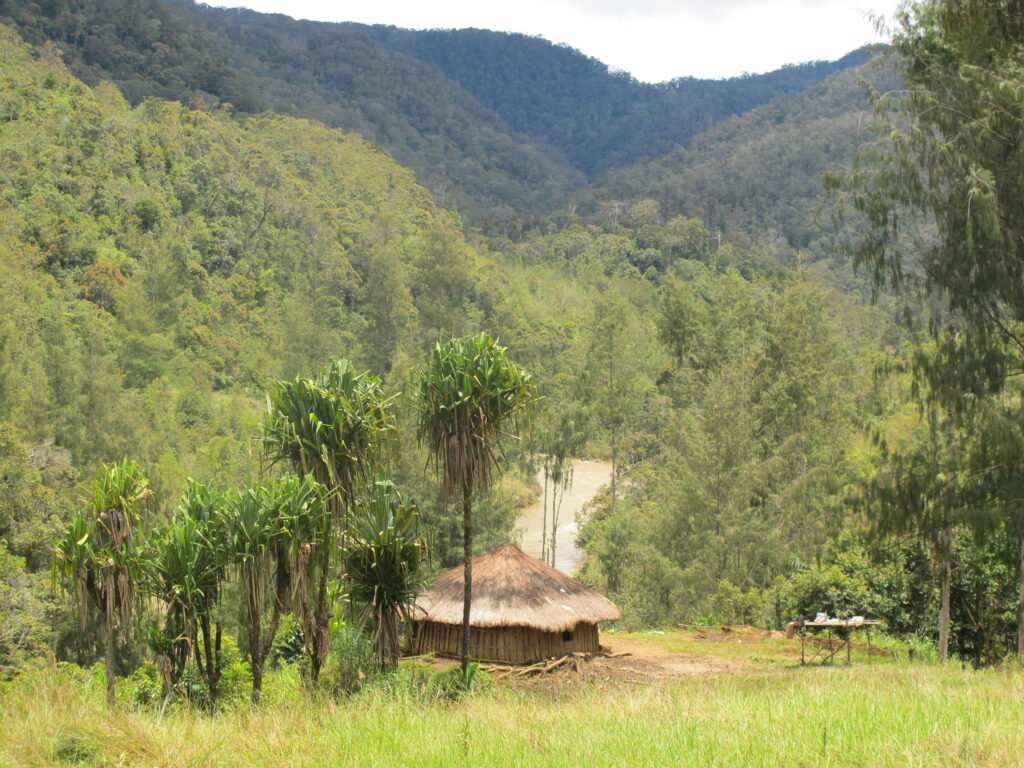
Papua’s vast and remote landscapes are home to many indigenous tribes who have preserved their traditional lifestyles for generations. Some communities live deep within forests, river systems, and highland valleys, maintaining customs that reflect strong connections to nature and ancestral beliefs. In this second part, we highlight three more indigenous tribes of Papua: the Bauzi, Dani, and Korowai.
The Bauzi Tribe
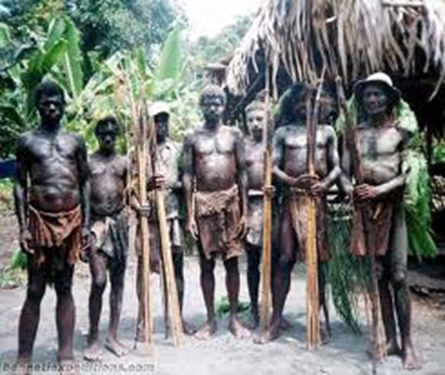
The Bauzi Tribe, also known as Bazi, Baudi, or Bauri, is one of the more isolated indigenous groups in Papua. According to the 1991 census, the Bauzi population was estimated at around 1,500 people. They live in remote areas that remain largely untouched by outside influence.
The Bauzi are believed to originate from the northern war regions of Papua. Over time, their communities spread by traveling along rivers using small boats and by walking through dense forest areas. Today, their settlements are mainly found in the northern and central regions of Mamberamo.
The Bauzi people continue to live in a very traditional way. Men traditionally wear a type of loincloth made from dried leaves or tree bark, tied around the waist to cover the genital area. Some men also decorate their noses with bone ornaments. Women traditionally wear leaves or strips of tree bark tied around the waist, without upper-body coverings. These forms of dress are closely tied to their cultural identity and environmental conditions.
The Dani Tribe
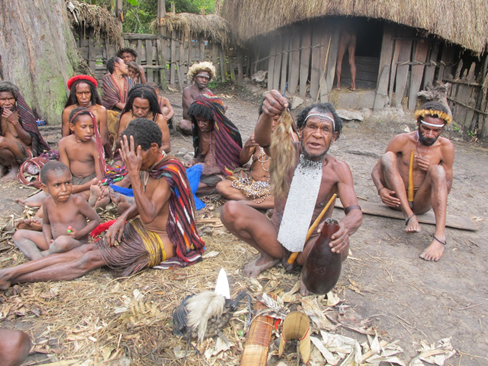
The Dani Tribe is one of the most well-known indigenous groups in Papua. They inhabit the Central Highlands, primarily across Jayawijaya Regency and parts of Puncak Jaya Regency.
According to Dani mythology, their ancestors descended from a married couple who lived near a lake close to the village of Maina in the southern Baliem Valley. The couple had two children, Woita and Waro, who became the ancestors of the Dani people.
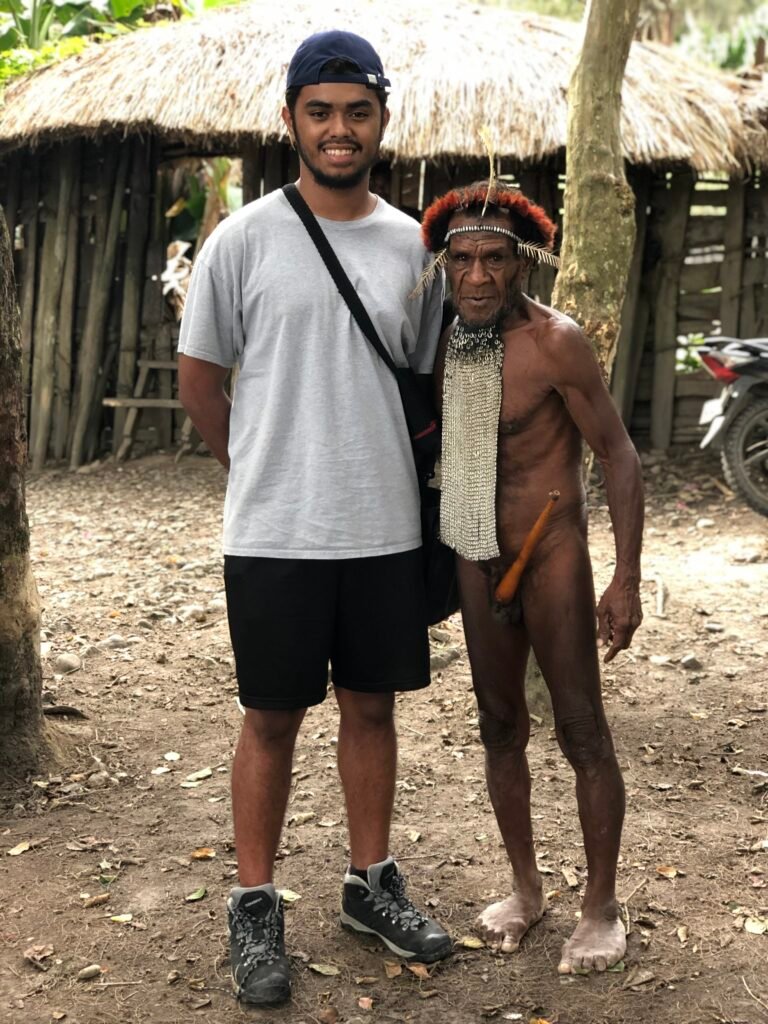
The Dani follow an exogamous marriage system, meaning individuals are required to marry outside their own clan group, known as Moety. This rule helps strengthen social ties between different clans. Traditional clothing remains an important cultural symbol for the Dani. Men traditionally wear the koteka, a penis gourd made from dried pumpkin or gourd. Women traditionally wear skirts made from woven grass, known as wah. These traditional garments are still used during cultural ceremonies and special occasions.
The Korowai Tribe
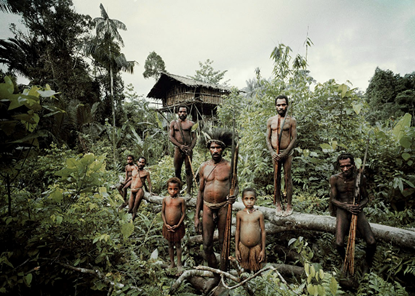
The Korowai Tribe lives in the Kaibar region of Mappi Regency, Papua. This tribe was first officially documented by Dutch missionaries in 1974. Before that time, the Korowai had very limited contact with the outside world and lived entirely within their own social system.
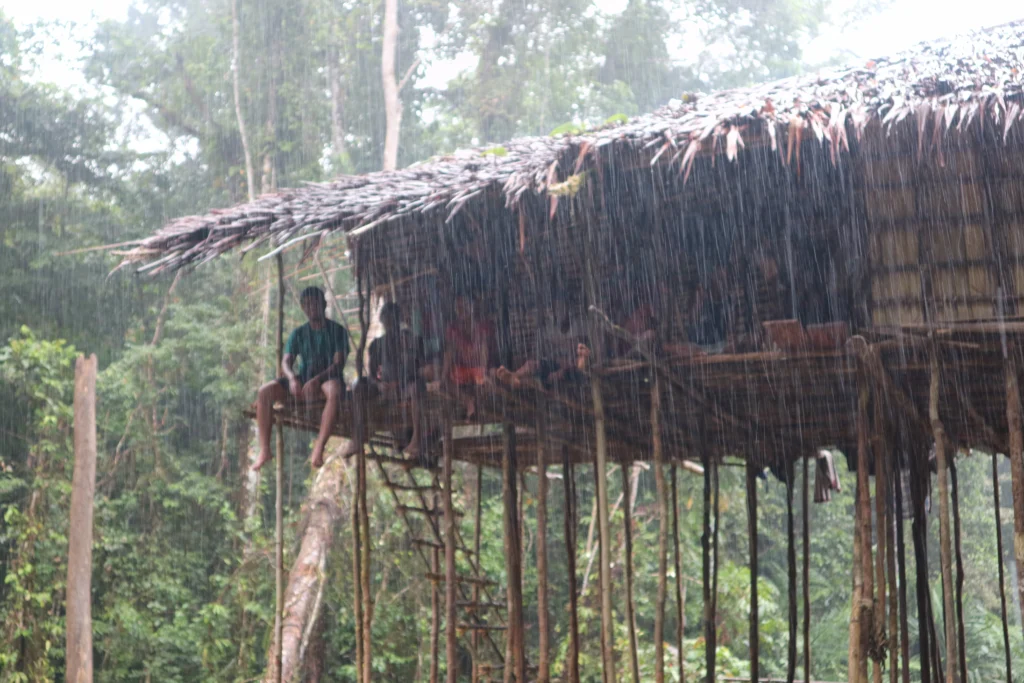
Unlike many other Papuan tribes who build honai houses, the Korowai are known for their tree houses, which are built at heights ranging from 15 to 50 meters above the ground. These elevated homes were traditionally constructed to protect families from wild animals, enemies, and what they believe to be harmful spirits. The Korowai believe that living higher above the ground keeps them further away from spiritual disturbances.
The Korowai were once widely known for a controversial practice of ritual cannibalism. However, this practice followed strict cultural rules and was not random violence. According to accounts from journalists such as Paul Raffaele, cannibalism was only carried out in cases of serious social violations, particularly against individuals accused of practicing witchcraft, known locally as Khakhua.
For the Korowai, this act was considered a form of social justice rather than a crime. However, with increasing contact with the outside world, education, and changes in social structure, this practice has now been abandoned and replaced by more widely accepted legal and social norms.
Part 3 will continue exploring other indigenous tribes of Papua and their unique ways of life.
