Papua is the largest province in Indonesia, located in the easternmost part of the country. Historically, Papua once covered the entire western half of the island of New Guinea. In 2003, the region was officially divided into two provinces. The eastern part retained the name Papua, while the western region became West Papua.
With a total area of approximately 808,105 square kilometers, Papua is the second-largest island in the world after Greenland and the largest island in Indonesia. Its vast size and challenging geography have shaped the lives, cultures, and traditions of its indigenous peoples for thousands of years.
Based on cultural characteristics, livelihoods, and settlement patterns, the indigenous population of Papua is generally divided into two major groups:
the highland or inland Papuans, who live in mountainous and interior regions, and the lowland and coastal Papuans, who inhabit river valleys, swamps, and coastal areas.
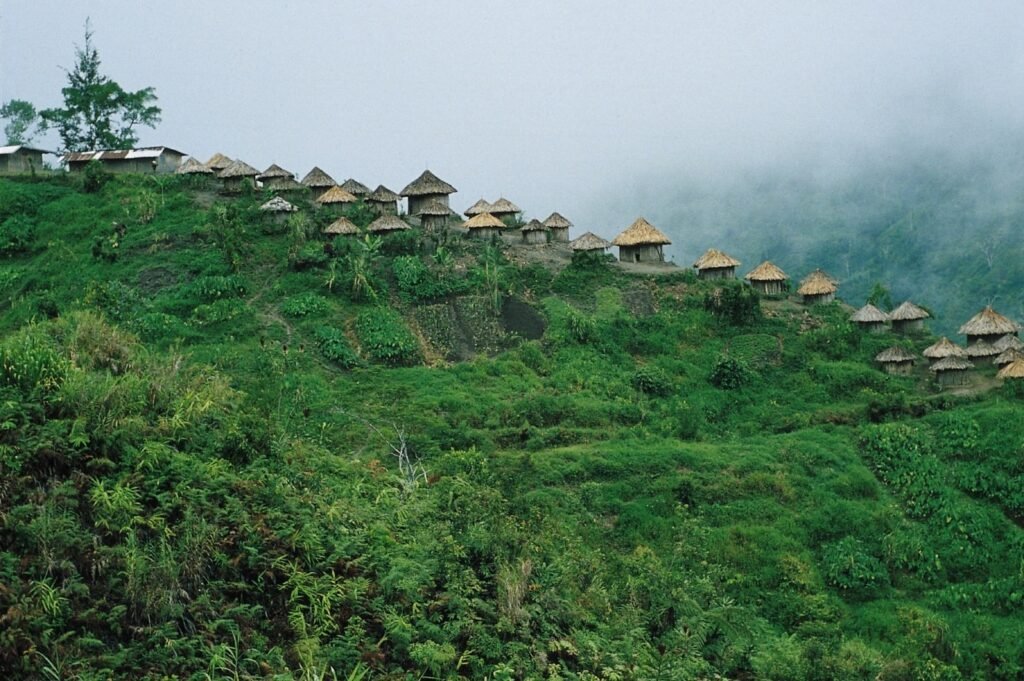
Traditional belief systems in Papua are deeply integrated into daily life. Spiritual and material worlds are seen as connected, and religious values influence social structures, customs, and relationships with nature. Due to the vast and rugged landscape, many communities live in relatively isolated groups, with some still residing deep in forests and remote valleys. Each group identifies itself through a distinct tribal name, language, and tradition.
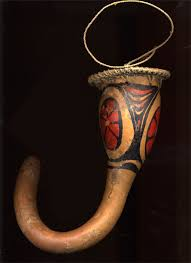
Despite modernization, many indigenous tribes continue to maintain their ancestral ways of life. Some still wear traditional clothing such as the koteka and practice customs passed down through generations. Below are several indigenous tribes that continue to exist and preserve their cultural identity today.
The Amungme Tribe
The Amungme Tribe is one of the indigenous groups living in the highlands of Papua. Traditionally, the Amungme practice shifting agriculture and hunting. They inhabit several large valleys in Mimika Regency and Puncak Jaya Regency, including the Bella, Alama, Aroanop, and Wa valleys. Some Amungme communities also live in the Beoga Valley, as well as in the lowland areas of Agimuga and the city of Timika.
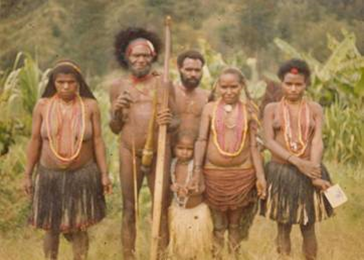
The name Amungme comes from two words: “Amung” meaning “primary” or “main,” and “mee” meaning “human.” The Amungme people believe they are the rightful guardians and heirs of the land, entrusted to them by Nagawan Into, whom they recognize as God.
The tribe uses two main spoken languages. Amung-kal is spoken by communities living in the southern areas, while Damal-kan is used by those in the northern regions. In addition, the Amungme also have a symbolic language known as Aro-a-kal, which is highly abstract and difficult to interpret. This symbolic language is used in rituals and cultural expressions rather than daily communication.
The Arfak Tribe
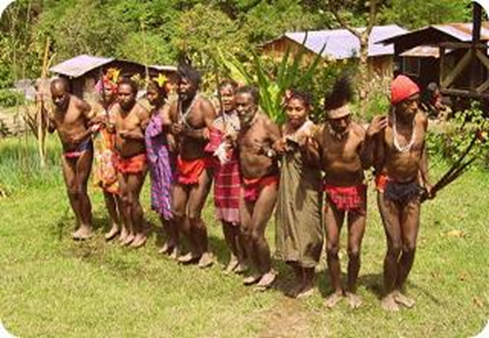
The Arfak Tribe lives in the Arfak Mountains, mainly around Manokwari, in West Papua Province. The Arfak people consist of four main sub-tribes:
- Hatam
- Moilei
- Meihag
- Sohug
Each sub-tribe has its own leader, and within each tribe there are many clans or family names. For example, within the Moilei sub-tribe, clans include Kowi, Saiba, Mandacan, Sayori, Ullo, Ayok, Indow, Wonggor, and many others.
Among the Arfak people, there is a saying that reflects their diversity: different tribes, different languages. Each sub-tribe has its own language and cultural identity. However, despite these linguistic differences, members of different Arfak sub-tribes are still able to understand one another and communicate directly.
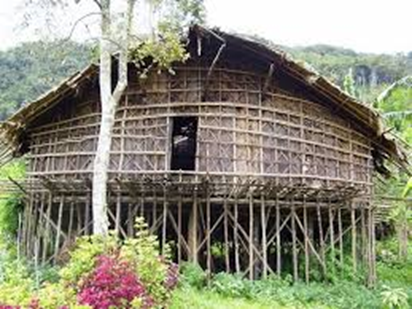
Traditionally, Arfak people live in enclosed stilt houses made entirely from wood, with grass roofs and no windows. These houses have only two doors, one at the front and one at the back. The traditional house is known as Mod Aki Aksa or Igkojei, and is often called the “Thousand-Leg House” because of its many supporting pillars. Today, these houses are becoming increasingly rare and are mostly found in villages located deep within the Arfak Mountain Nature Reserve.
The Asmat Tribe
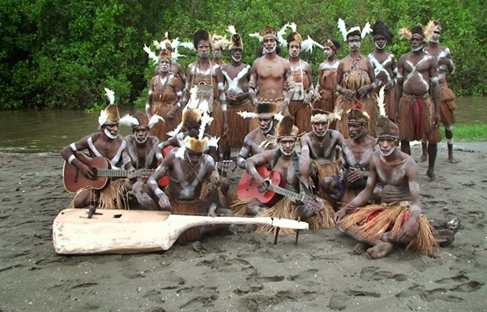
The Asmat Tribe is widely known for its distinctive and expressive wood carvings. The Asmat population is divided into two main groups: those who live along the coast and those who live inland. These groups differ in dialect, lifestyle, social structure, and ritual practices.
The coastal Asmat communities are further divided into the Bisman group, living between the Sinesty and Nin rivers, and the Simai group. Asmat people inhabit areas along the Arafura Sea coastline and parts of the Jayawijaya Mountains, regions characterized by dense forests and swampy terrain.
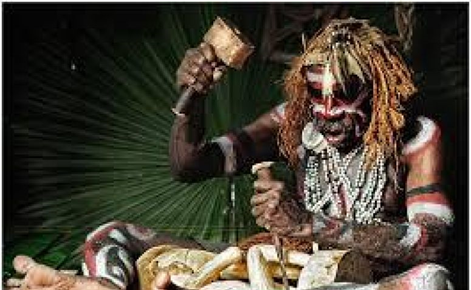
In Asmat culture, objects that may seem ordinary elsewhere can hold great value. Stones, for example, are extremely important and can even be used as bride wealth. This is because the swampy environment makes stones rare and difficult to find, yet they are essential for making tools such as axes and hammers.
Leadership among the Asmat traditionally emphasizes strength, experience, and authority, particularly among men with a history of warfare. However, in daily social and political life, each village is led by a customary leader called yeu iwir, while federations of villages are led by a tese wu. These leaders are supported by advisors known as arak amsewir, respected elders with deep knowledge and life experience.
Part 2 will continue with other indigenous tribes of Papua and their unique cultural identities.
