The History of Lorentz National Park: A Long Journey of Nature Conservation in Papua
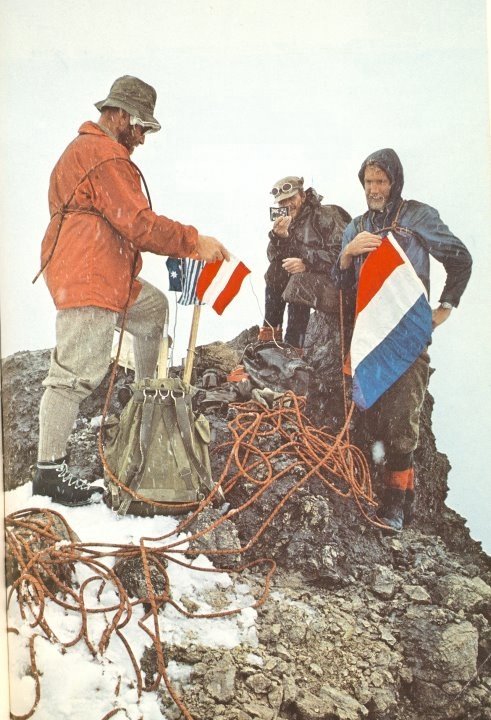
Lorentz National Park is one of the largest and most significant conservation areas in Indonesia. Located in Papua, the park encompasses an extraordinary range of ecosystems—from the high peaks of the Jayawijaya Mountains to coastal zones and vast wetlands—making it a natural site with exceptional biodiversity.
The long journey toward establishing Lorentz as a protected area began more than a century ago, shaped by governmental decisions, scientific expeditions, and international recognition. Below is a chronological overview of the historical milestones that led to the formation of Lorentz National Park.
1909 – The Early Introduction of the Name “Lorentz”
The origin of the name Lorentz dates back to a scientific expedition led by Dr. H.A. Lorentz in 1909. This expedition was one of the earliest and most significant journeys that introduced the natural richness of Papua’s mountainous regions to the international scientific community. His name was later immortalized as the name of the conservation area we know today.
1919 – Designation as a Natural Monument by the Dutch Government
On February 21, 1919, the Dutch colonial government in the Dutch East Indies officially designated the area as a Natural Monument (Lorentz Nieuw Guinea Natuurmonument). This marked the first formal step toward the legal protection of the Lorentz region.
1978 – Establishment as a Nature Reserve
On January 25, 1978, through Decree of the Minister of Agriculture No. 44/Kpts/Um/1/1978, the Lorentz area was designated as a nature reserve and wildlife sanctuary, covering approximately ±2.1 million hectares. This designation significantly strengthened conservation efforts in recognition of the area’s high ecological value.
1997 – Designation as a National Park
Through Decree of the Minister of Forestry No. 154/Kpts-II/1997 dated March 19, 1997, Lorentz’s status was upgraded from a nature reserve to Lorentz National Park, with an expanded area of approximately ±2.5 million hectares. This change allowed broader opportunities for conservation management and scientific research.
1999 – UNESCO World Natural Heritage Site
On December 12, 1999, UNESCO officially designated Lorentz National Park as a World Natural Heritage Site. With a total area of 2.35 million hectares, Lorentz was recognized as one of the world’s most complete and diverse natural areas, encompassing coastal ecosystems, wetlands, tropical rainforests, savannas, and rare tropical glaciers.
2003 – Designation as an ASEAN Heritage Park
On December 18, 2003, the ASEAN Centre for Biodiversity (ACB) granted Lorentz National Park official recognition as an ASEAN Heritage Park (AHP). This designation affirmed Lorentz’s importance not only to Indonesia, but also to the broader Southeast Asian region.
2007 – Establishment of the Lorentz National Park Management Authority
Through Regulation of the Minister of Forestry No. P.03/Menhut-II/2007, the government established the Technical Implementation Unit (UPT) of Lorentz National Park on February 1, 2007. The park’s headquarters is located in Wamena and is supported by three regional management offices in:
- Timika
- Dekai
- Ilaga
This marked a major milestone in strengthening on-the-ground management, supervision, and conservation efforts.
2014 – Official Delimitation of Forest and Marine Areas
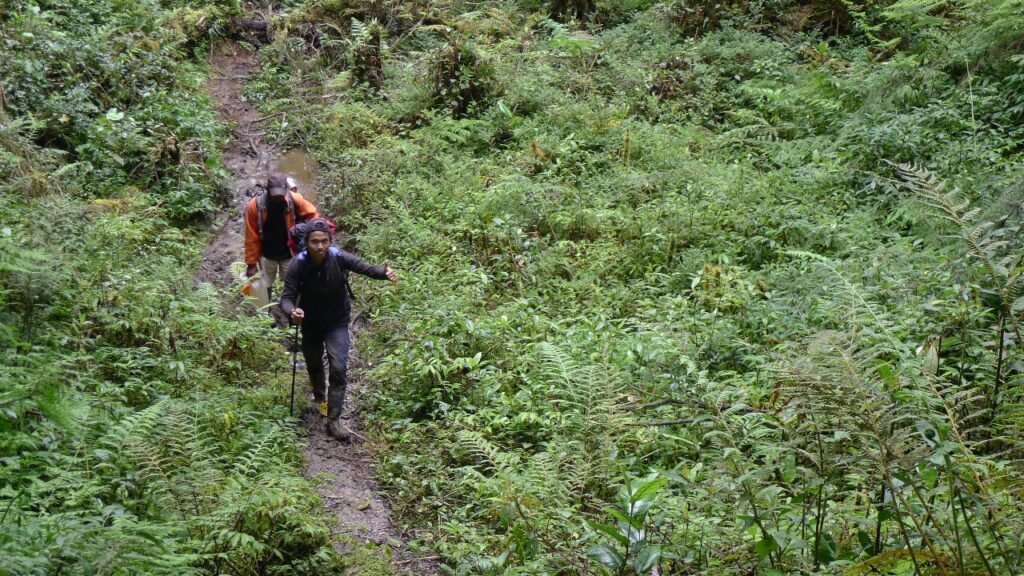
In 2014, through Decree of the Minister of Forestry No. 4645/Menhut-VII/KUH/2014, the government reaffirmed the boundaries of Lorentz National Park, covering a total area of 2.34 million hectares across the following regencies:
- Mimika
- Paniai
- Intan Jaya
- Puncak
- Puncak Jaya
- Lanny Jaya
- Jayawijaya
- Yahukimo
- Nduga
- Asmat
Of this total area, approximately 2.22 million hectares consist of forest ecosystems, while 124,286.38 hectares comprise marine and inland water areas. This formal delineation clarified administrative and conservation boundaries and continues to serve as the foundation for Lorentz National Park’s management today.
