The Grandeur of Lorentz National Park: Papua’s Haven of Biodiversity
Lorentz National Park is one of the largest and most extraordinary conservation areas in Indonesia and indeed, in the world. Located in Papua Province, the park stretches from the eternal snow-capped peaks of the Jayawijaya Mountains to the coastal waters of the Arafura Sea. Covering an area of 2,386,583.31 hectares, Lorentz is the only national park in Southeast Asia that encompasses a complete continuum of ecosystems, from high mountain ranges to marine environments. Its remarkable landscapes and rich flora and fauna make Lorentz an unparalleled natural laboratory. Below is a comprehensive overview of the magnificence of this exceptional national park.
Extraordinary Ecosystem Diversity
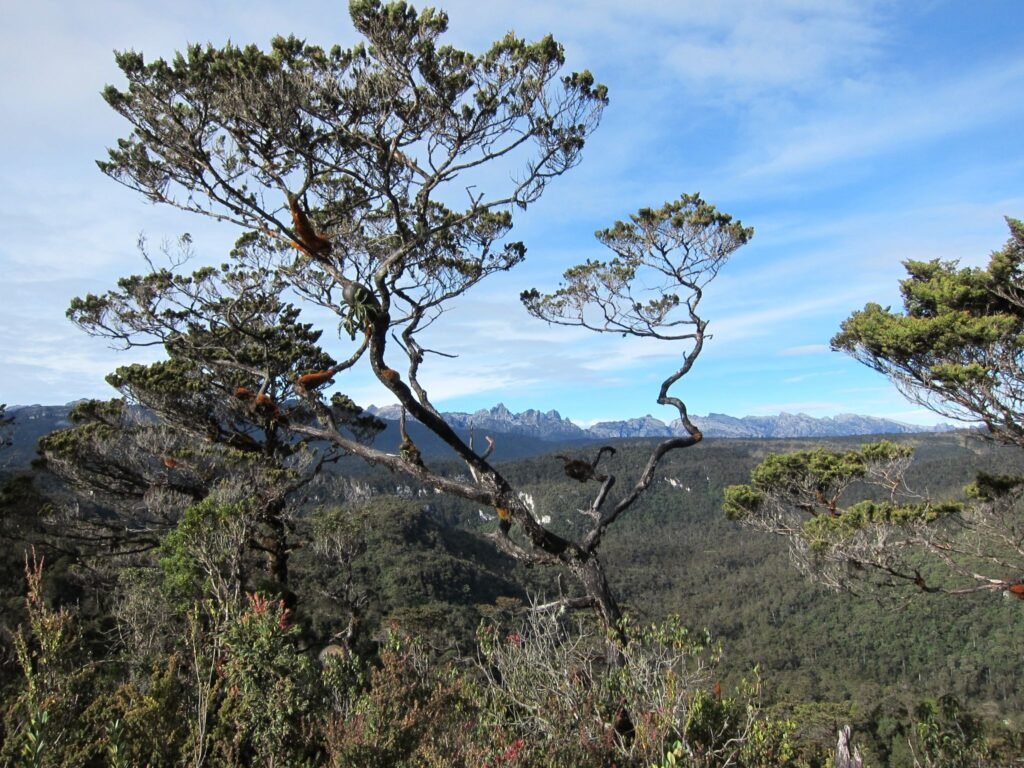
One of Lorentz National Park’s greatest strengths is the completeness of its ecosystems. Very few conservation areas in the world possess such an extensive ecological range.
Types of Ecosystems in Lorentz National Park
- Marine waters
- Coastal ecosystems
- Freshwater swamp forests
- Brackish water swamp forests
- Lowland rainforests
- Sago forests
- Montane forests
- Subalpine forests
- Alpine forests
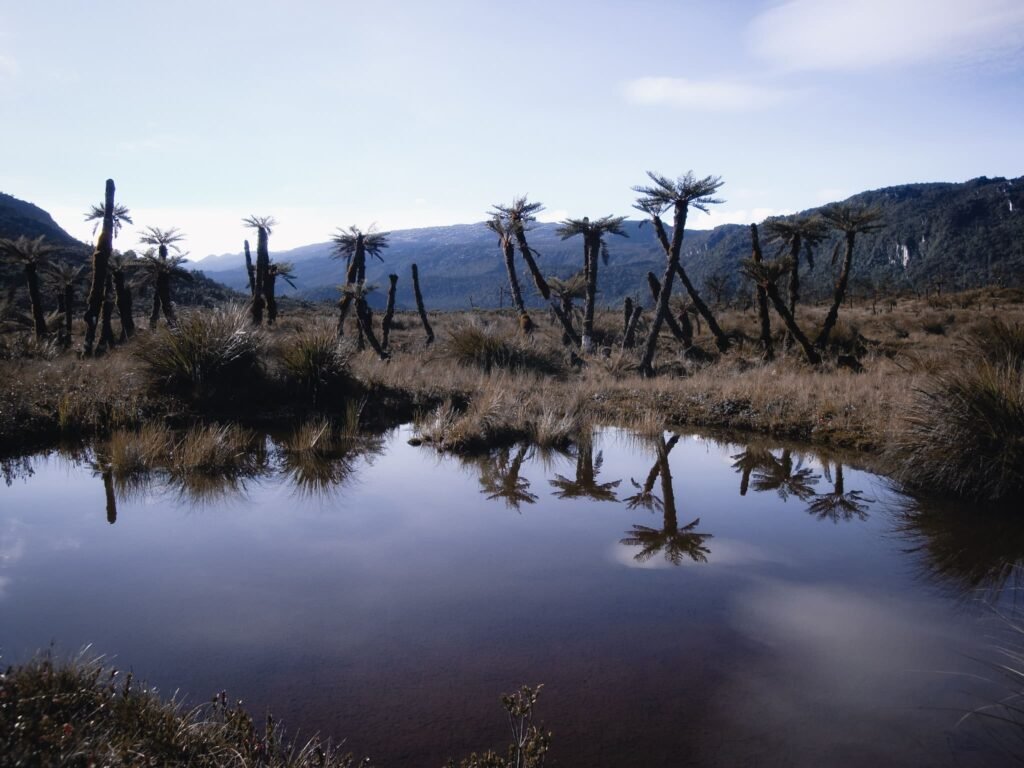
- Tropical glaciers and snow-capped peaks
- Limestone valleys
- High mountain ranges reaching up to 4,884 meters above sea level
This diversity makes Lorentz home to thousands of species with unique characteristics found nowhere else on Earth.
Flora Diversity: More Than 1,500 Plant Species
Lorentz National Park is home to 1,506 plant species, including:
- Nokh (Nipa fruticans)
- Bakai (Rhizophora apiculata)
- Mahogany (Pterocarpus indicus)
- Giant taro (Alocasia macrorrhizos)
- Nangge (Ficus ampelas)
- Ki puti (Podocarpus pilgeri)
This vast plant diversity reflects ecosystems that remain largely intact and minimally affected by human intervention.
Fauna Diversity: 374 Remarkable Animal Species
Lorentz is a true sanctuary for wildlife, including many rare and protected species endemic to Papua.
Bird Species
There are 374 bird species, including:
- Long-tailed bird of paradise
- Black bird of paradise
- King bird of paradise
- Waigeo maleo
- Cassowary
- Sooty robin
- Snow quail
- Little eagle
- Black honeyeater
- Alpine pipit
Reptiles and Amphibians
Lorentz is home to 150 species of reptiles and amphibians, such as:
- Reticulated python
- Tree frogs
- Pig-nosed turtle
- Saltwater crocodile
- New Guinea freshwater crocodile
Mammals
There are 132 mammal species, including:
- Eastern long-eared cuscus
- Wallabies
- Bandicoots
- Bush rats
- Spotted cuscus
- Several species of tree kangaroos
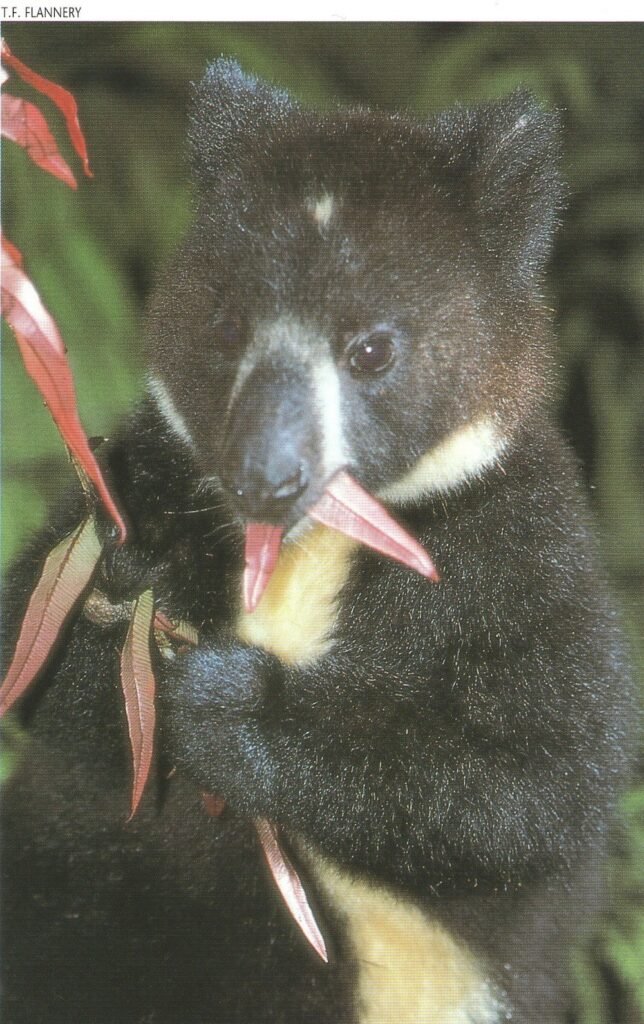
Papua Tree Kangaroos: A Unique Icon of Lorentz
One of the most fascinating species in Lorentz National Park is the tree kangaroo (Dendrolagus), which differs significantly from Australia’s terrestrial kangaroos.
Physical Characteristics of Tree Kangaroos
- Thick fur
- Long, rounded snout
- Short limbs with sharp claws
- Sloping shoulders
- Weight ranging from 3 to 20 kg
Species found in Lorentz include:
- Dendrolagus mbaiso
- Dendrolagus dorianus
- Dendrolagus inustus
Interesting Facts
- The Mbaiso tree kangaroo (Dendrolagus mbaiso) is listed on the IUCN Red List
- The banded cuscus is endemic to Papua
- Bush wallabies inhabit the mountainous areas of Lorentz
- Mbaiso is the official mascot of Lorentz National Park
Carstensz Pyramid: The Masterpiece of the Jayawijaya Mountains
Within the Lorentz National Park stands Indonesia’s last tropical snow-capped peak: Puncak Jaya, also known as Carstensz Pyramid.
Key Information
- First recorded by Jan Carstenszoon in 1623
- Elevation: 4,884 meters above sea level
- The highest peak in Indonesia
- Part of the Seven Summits (Oceania version)
Carstensz Pyramid is a dream destination for climbers worldwide, renowned for its technical terrain, steep karst cliffs, and iconic skywalk.
International Recognition
Lorentz National Park has received global recognition for its outstanding ecological value:
- 1999: Designated a UNESCO World Natural Heritage Site
- 2003: Recognized as an ASEAN Heritage Park (AHP)
- Recognized as the largest national park in Southeast Asia
These accolades reinforce Lorentz’s status as a global conservation treasure that must be protected for generations to come.
