Central Papua, Timika — Beyond the majestic limestone cliffs and the remnants of eternal snow at Carstensz Peak lies another equally remarkable natural treasure: an epiphytic plant widely known among Papuan communities as the ant plant (sarang semut). This unique plant grows attached to tree trunks or branches in highland mountain areas, including along the climbing routes leading to Carstensz Peak.
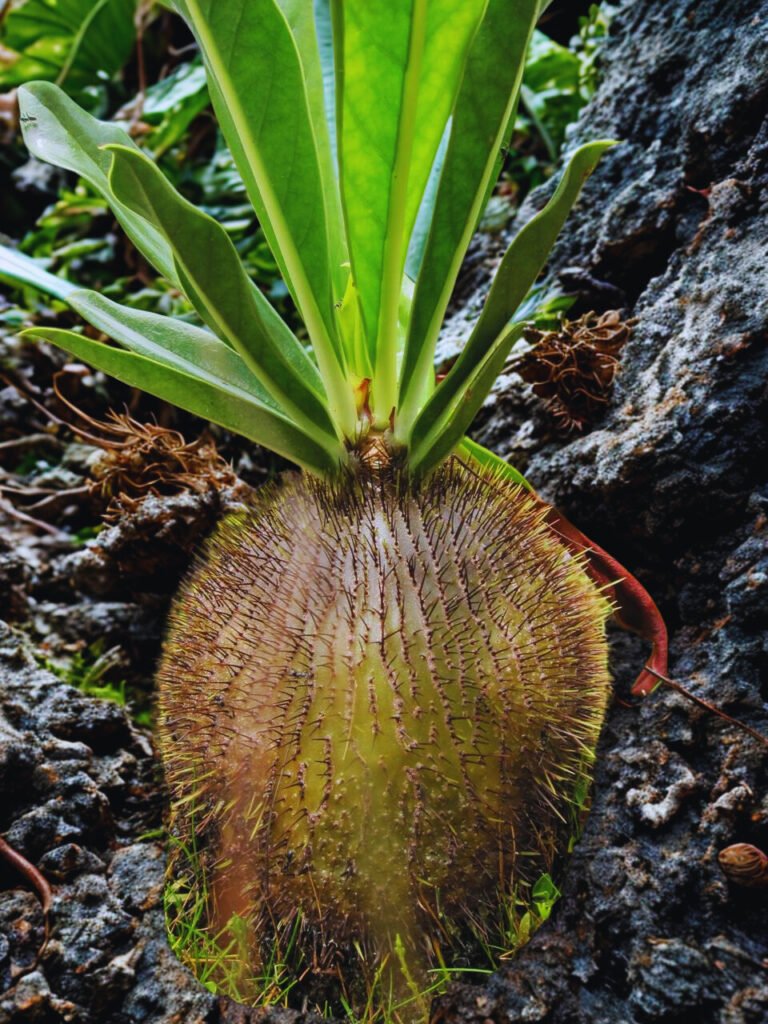
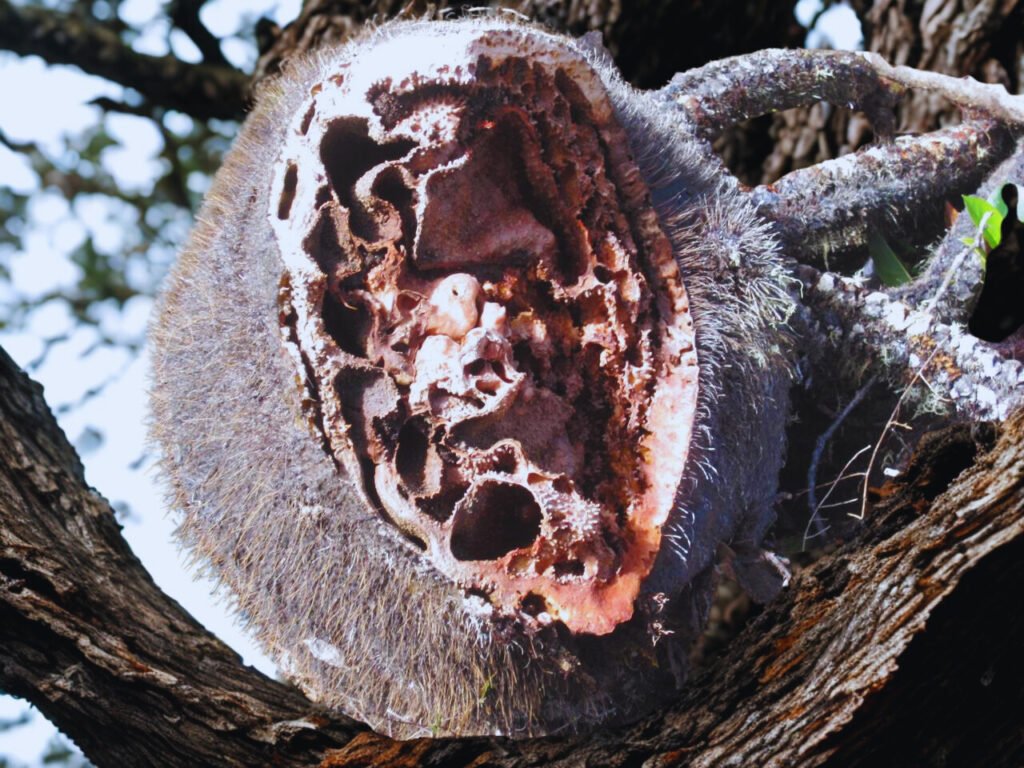
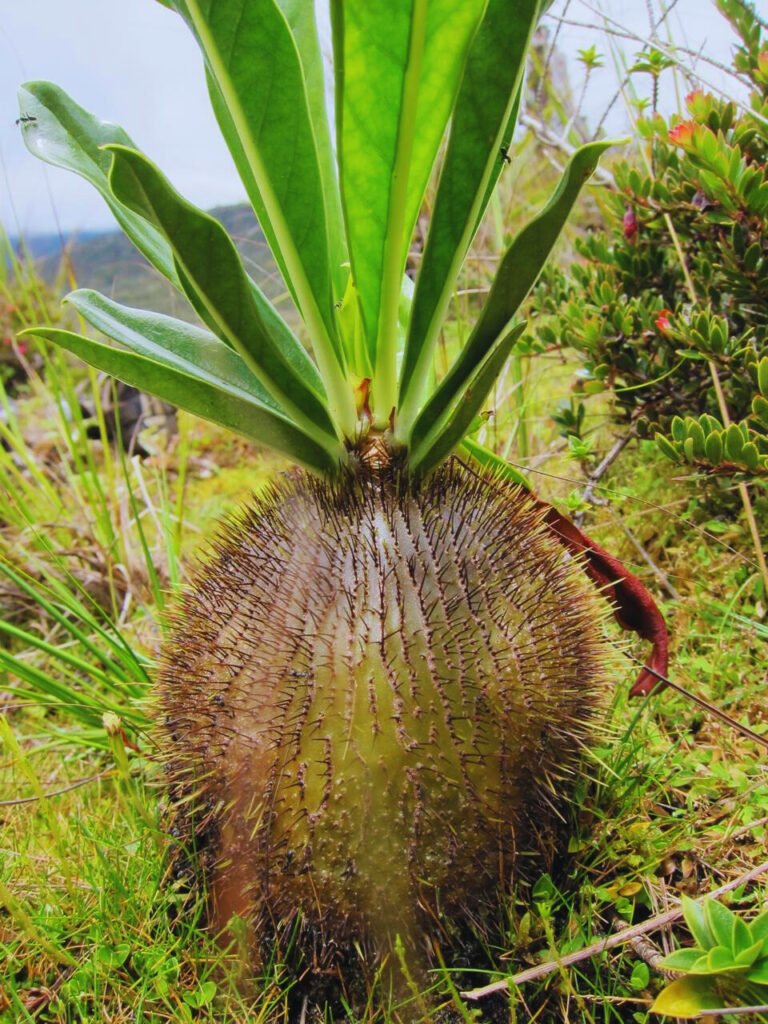
Ant plants (Myrmecodia and Hydnophytum) are not merely wild vegetation. Their forms resemble large tubers with natural internal cavities that serve as living spaces for ant colonies. This symbiotic relationship has developed naturally over hundreds of years—ants gain shelter, while the plant receives nutrients from the ants’ waste and activities within the chambers.
The uniqueness of ant plants lies in their natural structure. The cavities inside the tuber are not defects, but part of a complex biological system. Within them are natural active compounds such as flavonoids, tannins, and polyphenols, which are believed to have health benefits. These properties have long been utilized by indigenous Papuan communities as traditional herbal medicine.
For generations, ant plants have been processed by drying the tubers and then boiling them to produce a herbal infusion. This drink is believed to help boost the immune system, reduce inflammation, and support the treatment of various illnesses. For highland Papuan communities, ant plants are not only medicinal resources, but also part of local wisdom and a harmonious relationship with nature.
In the Carstensz Peak area, the presence of ant plants also serves as an indicator of a pristine and well-preserved environment. These epiphytic plants thrive only in areas with clean air, balanced humidity, and healthy forest ecosystems. Their existence therefore represents an important sign of ecological integrity in Papua’s mountain regions.
However, growing interest in ant plants as herbal products requires serious attention. Wise and sustainable management is essential to ensure that their use does not damage natural populations. Local communities, together with relevant stakeholders, are expected to maintain a balance between economic utilization and environmental conservation.The ant plants of Carstensz Peak are proof that Papua is not only rich in dramatic landscapes and tropical snow, but also in valuable biodiversity. Amid the cold mountain air and the quiet of the forests, this small plant stands as a symbol of nature’s wisdom and cultural heritage that deserves collective protection. (PMA)
