

Rain, Rock, and Resilience: How Papua’s Mountain Climate Shapes Its Ecosystems
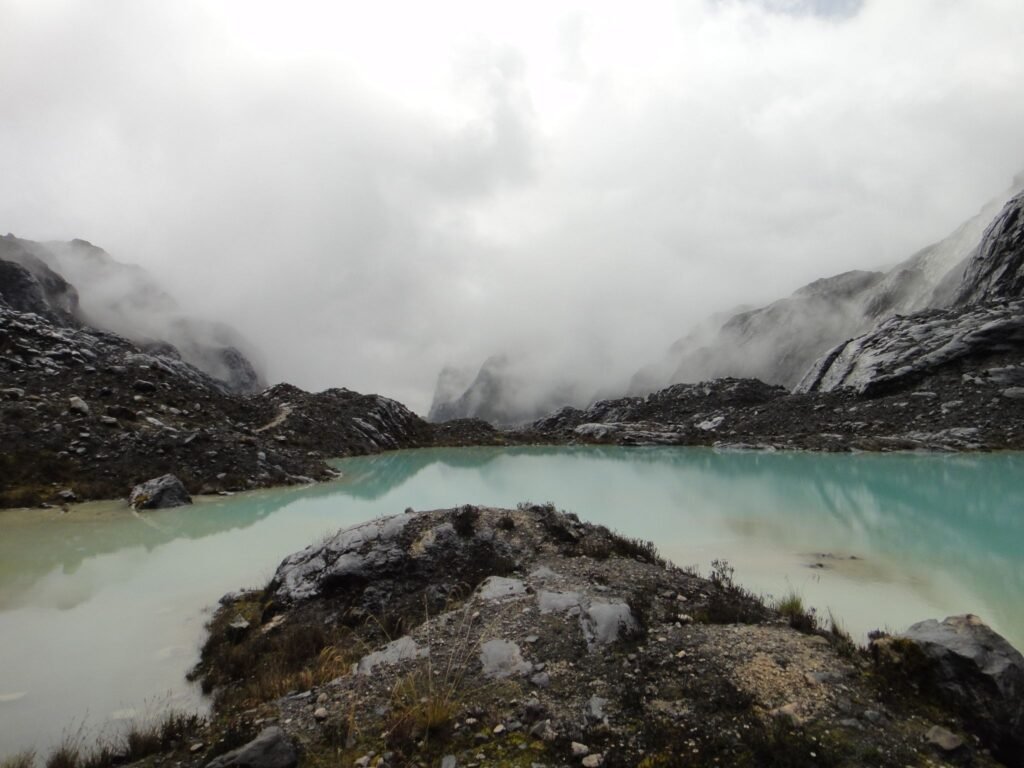
Papua’s mountain ecosystems are shaped by some of the most extreme climatic conditions in the tropics. High rainfall, rugged rocky terrain, and rapid changes in temperature create a challenging environment where only highly adapted plants and animals can survive. These conditions form unique ecosystems that are both resilient and fragile.
Heavy rainfall is a defining feature of Papua’s highlands. Constant moisture supports dense forests, moss covered slopes, and rich soil systems, while also increasing the risk of erosion and landslides. Vegetation plays a critical role in stabilizing the land, with deep rooted plants and forest cover helping to protect mountain slopes and maintain water balance.
Rocky landscapes dominate higher elevations, where soil is thin and nutrients are limited. In these areas, plant life adapts by growing low to the ground, conserving energy, and developing strong root systems. These adaptations allow flora to survive strong winds, cold nights, and intense sunlight during the day. Fauna living in these zones rely on limited food sources and shelter, making them highly sensitive to environmental change.
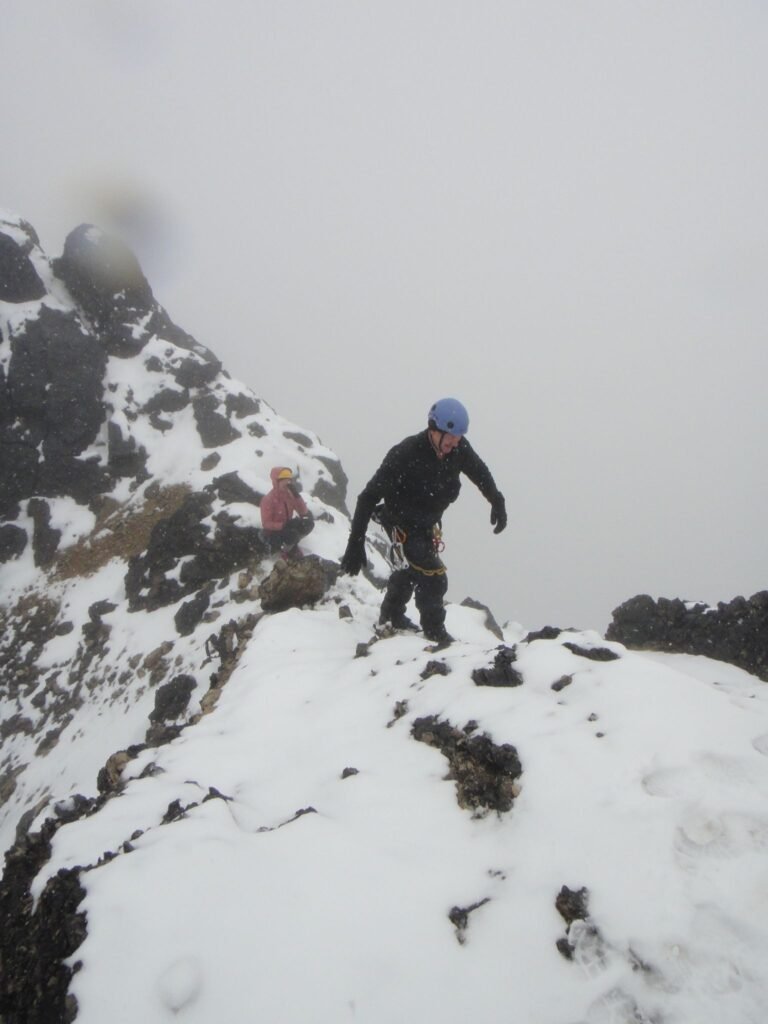
Despite harsh conditions, Papua’s mountain ecosystems show remarkable resilience. Over time, life has adjusted to the climate through natural adaptation and balance. However, this resilience has limits. Disturbance from human activity can disrupt ecosystems that take decades to recover.
Papua Mountaineering Association emphasizes the importance of understanding mountain climate when exploring these regions. Responsible mountaineering helps protect fragile ecosystems shaped by rain, rock, and time.
In Papua, climate is not just a background condition. It is the force that defines life in the mountains and sustains one of the world’s most unique natural environments.
