

Papua Between the Wallace and Weber Lines: Its Impact on Faunal Diversity
Papua is one of the most biologically rich regions in the world, and its extraordinary wildlife diversity is closely linked to its geographical position. Located in eastern Indonesia, Papua lies between two important biogeographical boundaries known as the Wallace Line and the Weber Line. These invisible lines play a crucial role in shaping the unique fauna found on the island.
The Wallace Line, proposed by British naturalist Alfred Russel Wallace, separates Asian fauna from Australasian fauna. It runs between Borneo and Sulawesi, and between Bali and Lombok. West of this line, animal species are predominantly Asian in origin, such as tigers, elephants, and monkeys. East of the line, Asian species rapidly decline.
Further east lies the Weber Line, which marks the zone where Australasian fauna becomes dominant. Papua is located close to, and largely east of, the Weber Line, meaning that its wildlife is strongly influenced by the Australian continent. As a result, Papua’s fauna differs significantly from that of western Indonesia.
Because Papua lies between these two biogeographical boundaries, it serves as a transition zone with a strong Australasian character. This position has resulted in a high level of endemism, meaning many species are found nowhere else on Earth. Marsupials such as tree kangaroos, wallabies, and cuscuses are common in Papua, reflecting its evolutionary connection to Australia. These animals are largely absent in western Indonesia.
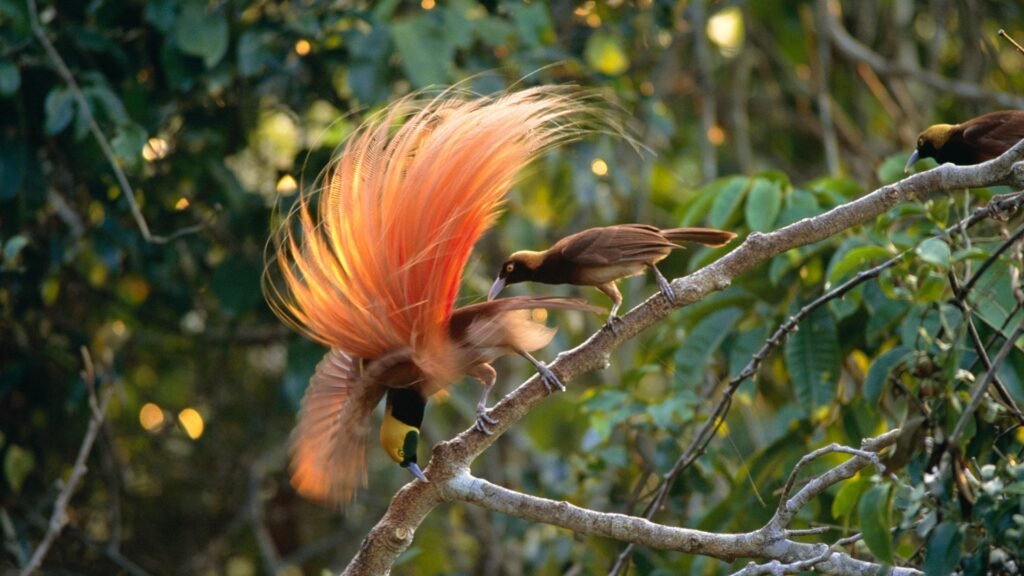
In addition to mammals, Papua is famous for its bird diversity, especially birds-of-paradise, cockatoos, and cassowaries. The long geological isolation of Papua allowed these species to evolve distinct physical traits and behaviors. The absence of many large Asian predators also influenced the evolution of local fauna, allowing birds and small mammals to thrive in diverse ecological niches.
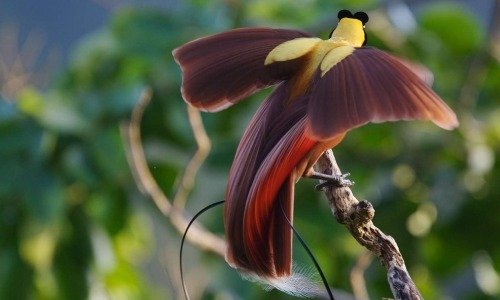
The position between the Wallace and Weber Lines also affects species distribution and adaptation. Fauna in Papua have developed specialized traits to survive in dense rainforests, mountainous terrain, and swampy lowlands. This ecological complexity contributes to Papua being one of the world’s most important biodiversity hotspots.
However, this unique faunal composition is increasingly threatened by habitat loss, deforestation, and climate change. The loss of forests in Papua could mean the disappearance of species that exist nowhere else, disrupting ecosystems shaped by millions of years of evolution.
Conclusion
Papua’s location between the Wallace Line and the Weber Line has profoundly influenced its fauna, making it biologically distinct from the rest of Indonesia. This position has resulted in a dominance of Australasian species, high levels of endemism, and exceptional biodiversity. Protecting Papua’s ecosystems is not only important for Indonesia, but also for global biodiversity conservation.
