

Mpaigela: The Forbidden Mother Mountain Guarding the Moni People
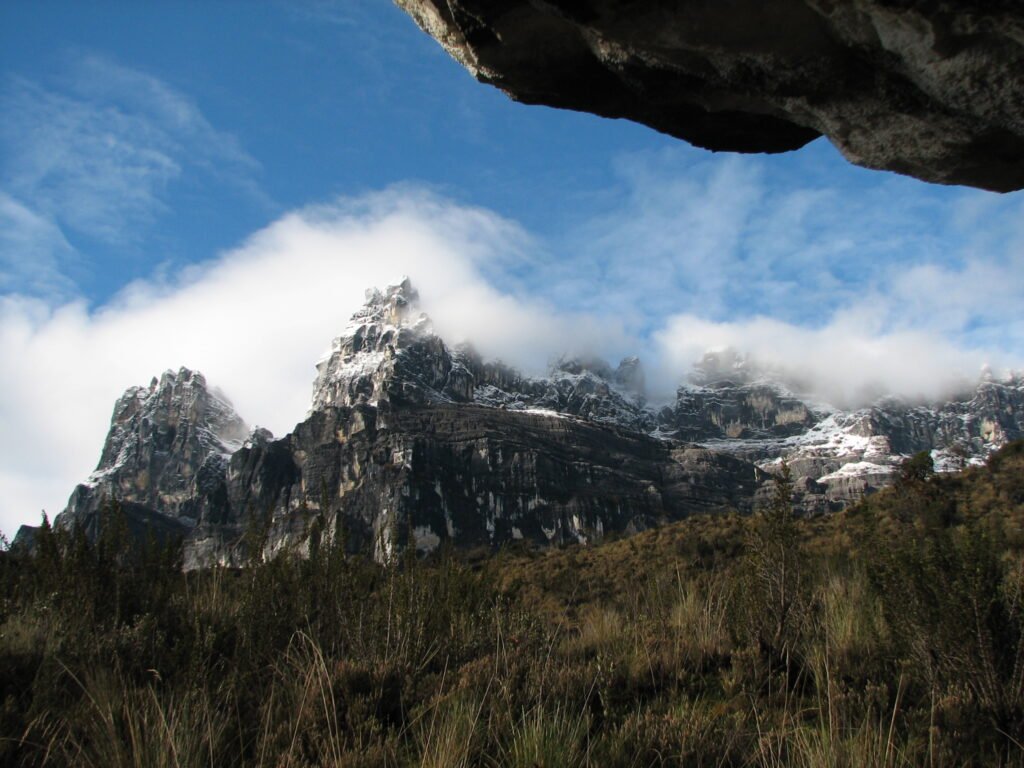
For the Moni tribe of Papua, the towering peak often called Carstensz Pyramid holds a sacred name that predates any outside influence. They call it Mpaigela, meaning the forbidden stone. To the Moni people, this mountain is a mother figure and spiritual protector whose presence guides their way of life.
The name comes from the words mpai, meaning forbidden, and gela, meaning stone. Children grow up learning that the mountain is a place that must never be approached carelessly. For centuries, Mpaigela was protected by cultural laws that restricted access except for those who had received spiritual approval. What many adventurers now view as a mountaineering challenge was once a sacred territory guarded by generations of Moni ancestors.
One of the most enduring stories among the Moni tells of the olebui, the earliest ancestors who encountered a towering stone wall streaked with traces resembling handprints. These markings were believed to be left by a spirit-being who once lived in the mountains. From this story arose the extended name Mpaigelapani Hane, often interpreted as the forbidden stone touched by the hand of the spirit man.
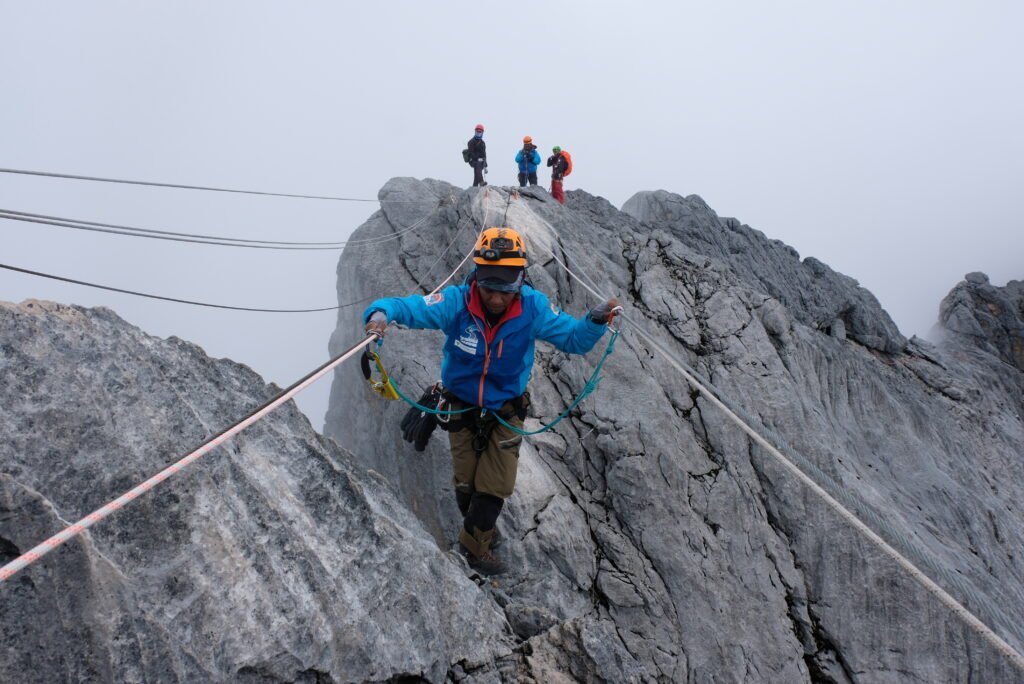
To the Moni tribe, the mountain is more than a high peak. It represents life, origin, and motherly protection. Approaching Mpaigela is considered a spiritual journey that requires sincerity and respect. The rituals tied to the mountain reflect the Moni belief that human beings must live harmoniously with the unseen forces that shape the world.
Today, even as modern expeditions arrive from around the world, the Moni people continue to honor Mpaigela as a sacred presence. Their stories remind visitors that long before climbing routes and maps existed, this land was guided by spiritual guardians and cultural wisdom.
