Mountain Plants of Papua and Their Role in Local Community Life
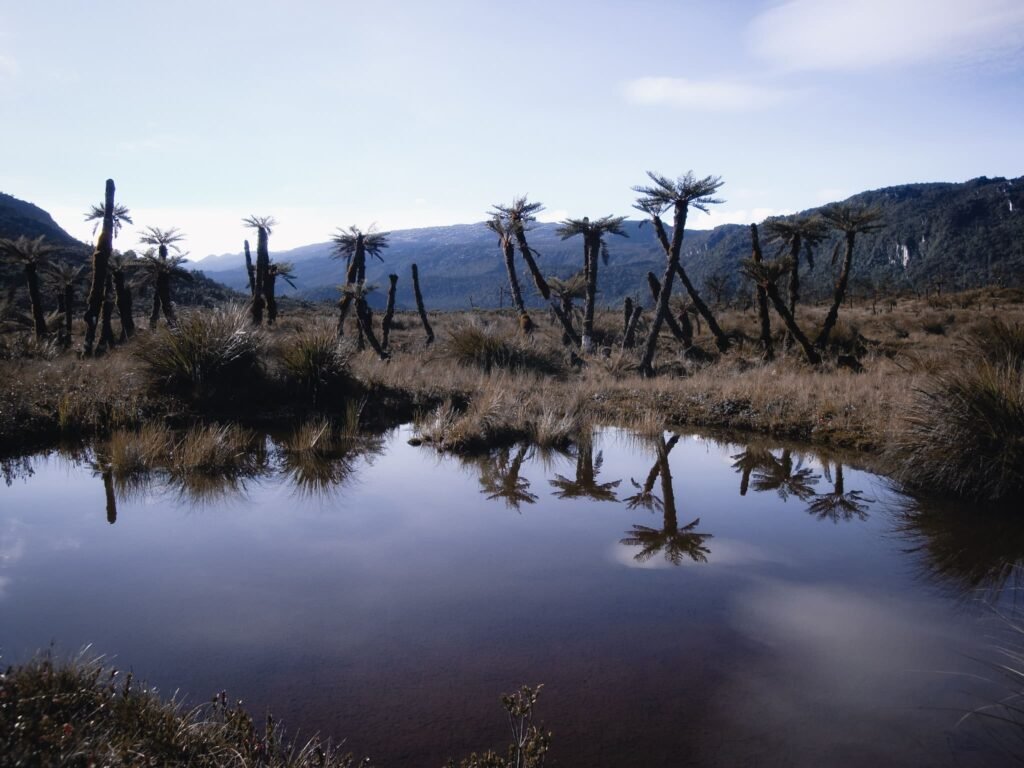
The mountain regions of Papua are home to a rich diversity of plant life that plays a vital role in the daily lives of local communities. For generations, indigenous people have depended on mountain plants not only as natural resources, but also as part of their cultural identity and traditional knowledge.
Many plants found in Papua’s highlands are used for food, medicine, and basic survival. Edible roots, leaves, and wild fruits supplement local diets, especially in remote areas where access to modern supplies is limited. Medicinal plants are commonly used to treat wounds, fever, and other illnesses, based on knowledge passed down through generations.
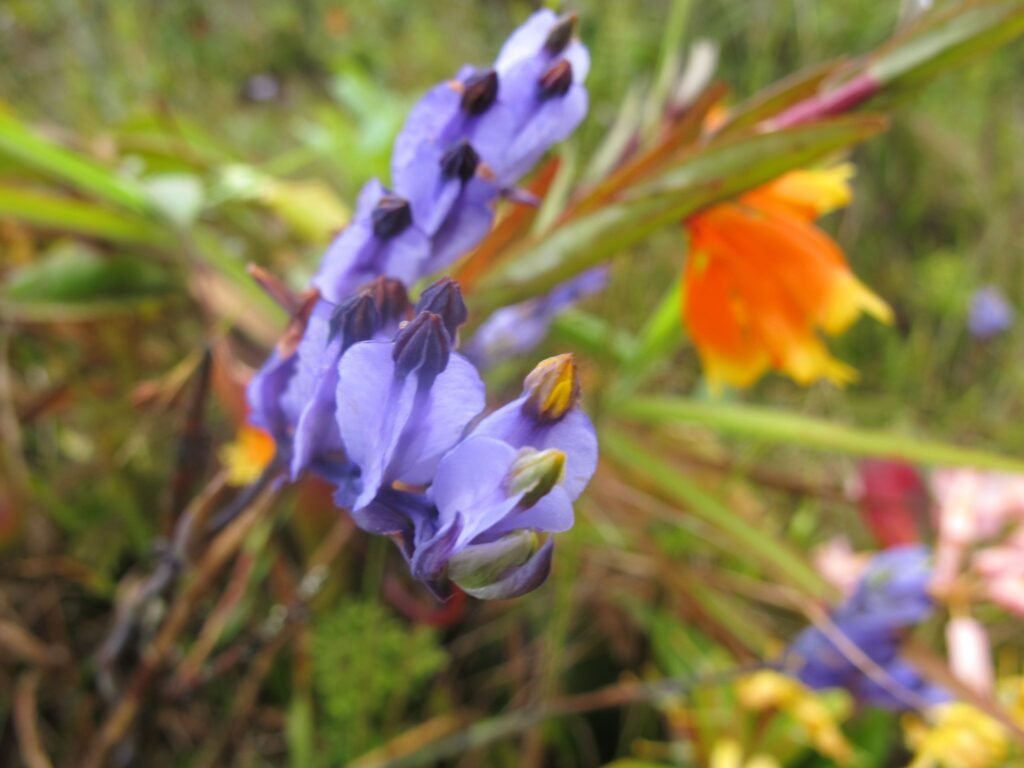
Beyond practical use, mountain plants also hold cultural significance. Certain trees and plants are associated with customary practices, rituals, or territorial boundaries. The ability to recognize seasonal changes in vegetation helps communities decide when to plant, hunt, or travel safely through the mountains.
These plants also support the broader ecosystem that sustains human life. Mountain vegetation protects soil from erosion, regulates water sources, and maintains stable microclimates essential for agriculture in nearby valleys. When forests are damaged, local communities are often the first to feel the impact through reduced water quality and food availability.
For Papua Mountaineering Association, understanding the relationship between plants and local communities is essential to responsible mountaineering. Protecting mountain flora means protecting the livelihoods, traditions, and future of the people who have lived alongside these ecosystems for centuries.
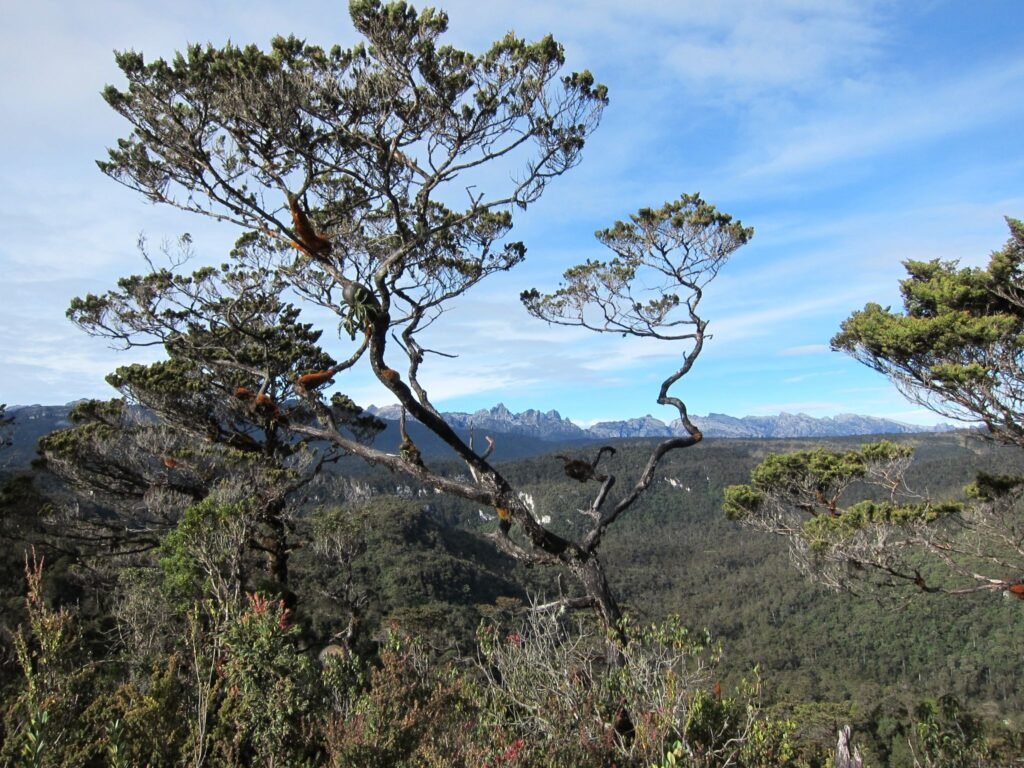
In Papua, mountain plants are more than part of the landscape. They are a foundation of life, culture, and sustainability.
