Stories of Papuan climbers beyond Carstensz
In the highlands of Papua, mountains are not distant dreams. They are part of daily life. Children grow up walking steep forest trails, crossing rivers, and breathing thin air at elevations that would challenge many visitors. For some Papuans, those early experiences have become the foundation for something greater: climbing on the world stage.
While Carstensz Pyramid remains the crown of Papua and Indonesia’s highest mountain, a growing number of Papuan climbers are proving their strength far beyond its limestone ridges.
Strength Born in the Highlands
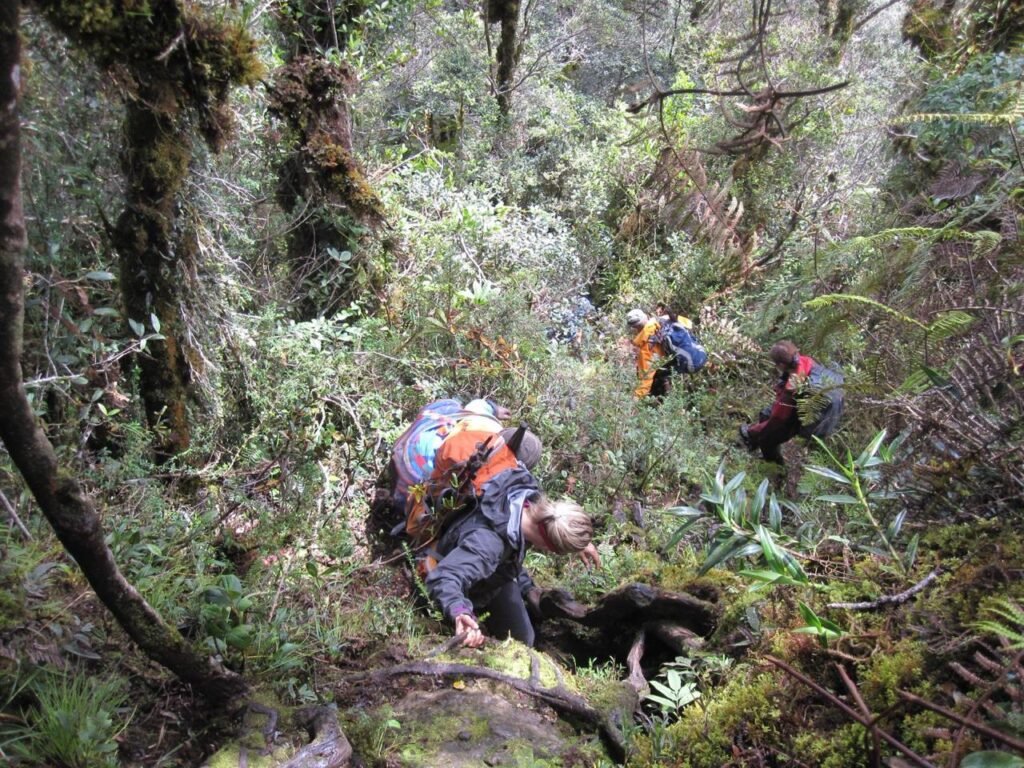
Life in Papua’s mountainous interior demands endurance. Villages are often connected by footpaths rather than highways. Carrying heavy loads over long distances is common. These conditions naturally build stamina, balance, and mental toughness — qualities essential in mountaineering.
For many Papuan climbers, the journey begins locally. They start by guiding expeditions to Carstensz or trekking through the rugged ranges of the central highlands. Over time, with training and opportunity, some expand their ambitions beyond Indonesia.
Their transition from local guide to international climber is not easy. It requires technical training, funding, language skills, and exposure to global mountaineering networks. But step by step, Papuan climbers are entering those spaces.
Beyond Indonesia: A Bigger Horizon
In recent years, Indonesian mountaineers have aimed for peaks across Asia, Europe, and beyond and Papuan climbers have been part of that movement. Some have joined expeditions to the Himalayas, setting foot near legendary giants such as Mount Everest and Mount Ama Dablam. Others have climbed in Southeast Asia and Oceania, representing Indonesia in regional expeditions.
Each international climb represents more than a personal milestone. It carries the identity of Papua — a region often seen only through the lens of remoteness or political complexity. On foreign mountains, Papuan climbers become ambassadors of their culture, resilience, and homeland.
Facing Barriers Beyond Altitude
The challenges Papuan climbers face are not only physical. Access to sponsorship, equipment, and formal mountaineering certification can be limited. Travel costs are high. International exposure is rare.
Despite this, determination drives them forward. Many work as guides, porters, or outdoor instructors to fund their dreams. Some collaborate with national mountaineering communities in cities like Jakarta or Bandung. Others rely on grassroots support from local organizations.
Their journeys highlight a broader issue: talent exists everywhere, but opportunity does not. When Papuan climbers reach global peaks, they often do so against significant odds.
Representation Matters
Seeing Papuan climbers on international expeditions changes perceptions. It challenges stereotypes that position Papua only as a destination for foreign adventurers. Instead, Papuans themselves become the adventurers — skilled, professional, and globally competitive.
For young people in Papua, these stories create new possibilities. A teenager in Wamena or Timika can now imagine not only guiding on Carstensz but also standing beneath Himalayan prayer flags or trekking across foreign glaciers.
Mountaineering becomes more than adventure; it becomes aspiration.
Carrying Papua to the Summit
Wherever they climb, Papuan mountaineers carry more than backpacks. They carry songs, languages, traditions, and a deep connection to land. Their strength is shaped by mountains at home — by the forests, valleys, and cliffs surrounding Carstensz Pyramid.
From local jungle trails to the icy slopes of the world’s highest ranges, Papuan climbers are redefining their place in global mountaineering.They are no longer only the guardians of Papua’s peaks.
They are part of the world’s mountaineering story — and they are just getting started. (PMA)
