Why Climbing in Papua Cannot Be Compared to Other Mountains in Indonesia?
In Indonesia, mountain climbing is often considered a trekking activity: walking along trails, setting up tents, and then reaching the summit. However, this view changes when one sets foot in Papua. In this easternmost region of Indonesia, mountains are not just places to climb, they are also living spaces, traditional territories, and technical challenges that require above-standard preparation.
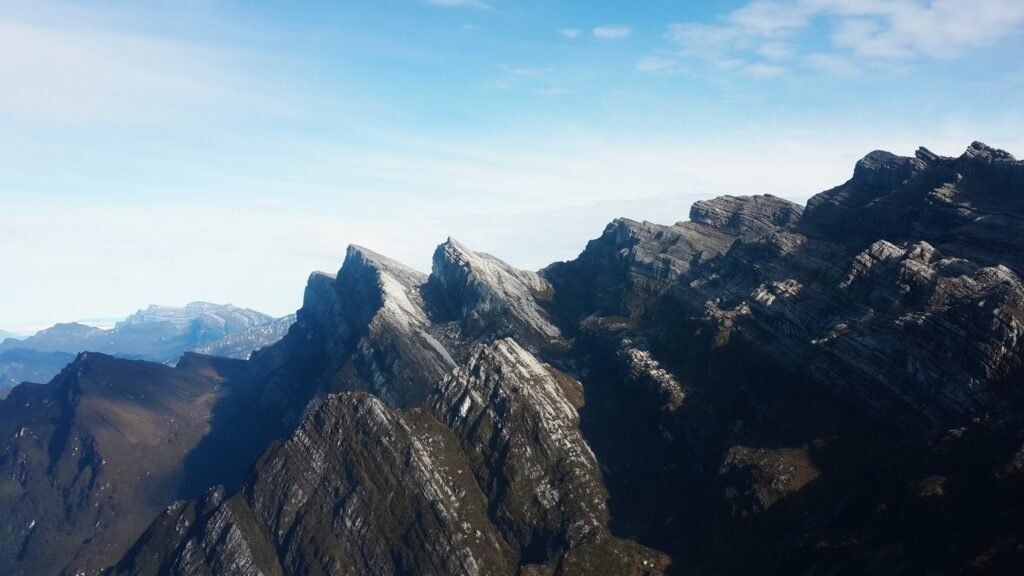
Papua offers a climbing experience that cannot be directly compared to the mountains of Java, Sumatra, or Sulawesi. The differences lie not only in the height of the mountains, but also in the extreme terrain, unpredictable tropical weather, geographical isolation, and very high technical demands.Most mountains in Indonesia offer hiking trails consisting of forest soil, flat ridges, or volcanic slopes, which still allow climbers to walk smoothly. However, Papua is different.
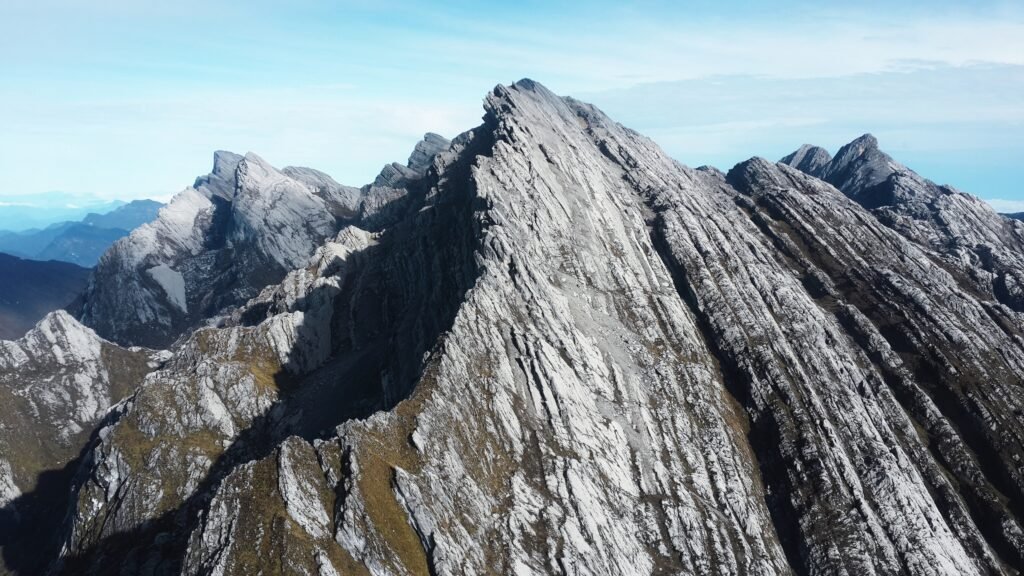
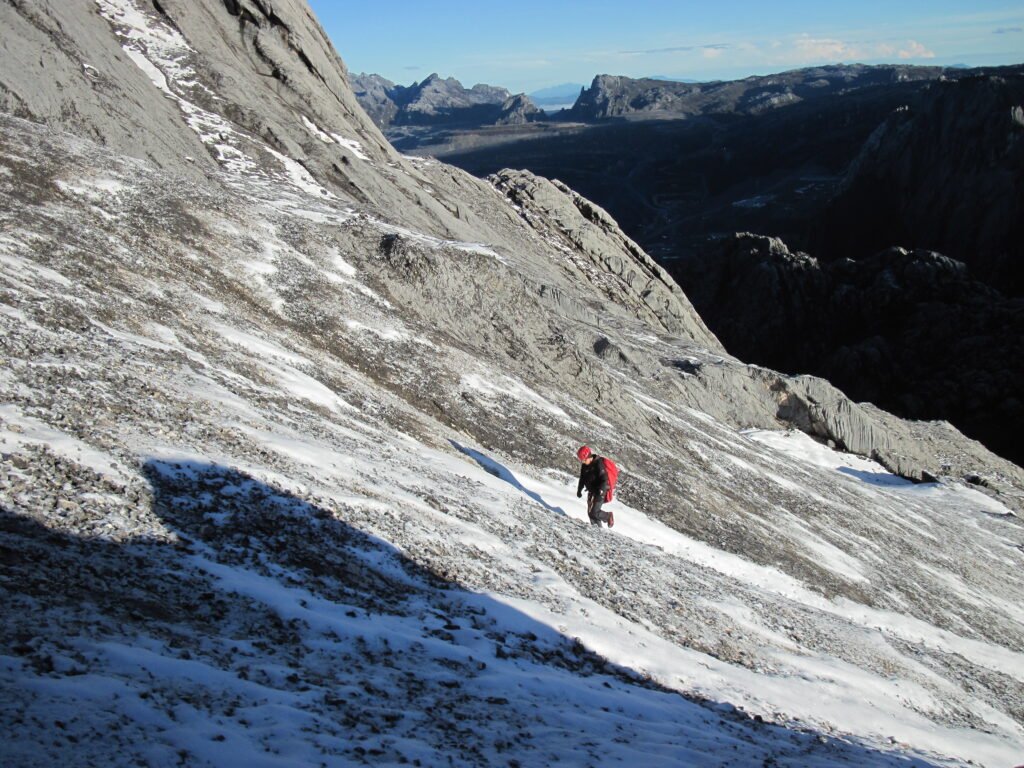
In the Jayawijaya Mountains the location of Carstensz Pyramid hikers face steep limestone cliffs, narrow ridges, deep ravines, and routes that cannot be traversed without rock climbing skills. Many sections of the trail require the use of fixed ropes, climbing equipment, and vertical safety systems.
In Papua, climbing is not just about “the ability to walk long distances,” but more about the ability to move safely in technical terrain. Papua is located in the tropics with high rainfall, but has mountains over 4,000 meters high. This combination of conditions results in a unique and risky climate. In a single day, a climber can experience scorching sun, heavy rain, thick fog, and extremely cold temperatures in quick succession. Limestone that was initially dry can become very slippery shortly after the rain starts to fall.
Unlike mountains in subtropical regions, which have more stable weather patterns, weather conditions in Papua are highly unpredictable and change rapidly, so climbing plans must be flexible rather than rigid. One common mistake is thinking that experience climbing famous mountains in Indonesia is sufficient for exploring Papua. In reality, climbing in Papua requires higher technical skills.
Climbers must understand: how to use harnesses and carabiners, techniques for ascending and descending using fixed ropes, safety management on steep cliffs, procedures for crossing ravines such as tyrolean traverses, and discipline in rope systems within a team.
Without mastery of these skills, the likelihood of accidents increases significantly. Papua does not allow for improvisation without a solid foundation of skills.The mountains in Papua are located far from residential areas and health services. To reach the base camp, it is usually necessary to use various modes of transportation, including air, river, and long walks.
In the event of an incident, the rescue process can take days and is highly dependent on weather conditions. This situation makes risk prevention more crucial than emergency response. Climbing in Papua is not only about reaching the summit, but also about ensuring the safety of all team members on their return.
