Understanding the Carstensz Climbing Route: Challenges, Uniqueness, and the Climber's Experience
Carstensz Pyramid also known as Puncak Jaya is one of the most prestigious expedition destinations in the world. Rising to 4,884 meters above sea level in the heart of the Jayawijaya Mountains, the journey to its summit is not merely a physical ascent, but an exploration filled with challenge, cultural depth, and the extraordinary natural beauty of Papua. For experienced climbers, the route to Carstensz represents a rare blend of pure adventure and elite achievement.
Challenges Along the Carstensz Climbing Route
Climbing Carstensz is not for beginners. The route presents a series of technical and environmental challenges that demand strong physical conditioning and mental resilience.
1. Technical Rocky and Vertical Terrain
Carstensz is renowned for its steep limestone walls that require rock climbing techniques. Climbers must use harnesses, ascenders, and other technical climbing equipment to navigate these sections. The final push to the summit involves traversing the famous skywalk a suspended rope crossing above a deep abyss that has become an iconic feature of the Carstensz ascent.
2. Extreme and Unpredictable Weather
Weather conditions can change rapidly, shifting from clear sunshine to hail, dense fog, and strong winds within hours. Temperatures may drop sharply to below freezing, making proper cold-weather gear essential for safety and comfort.
3. Long Expedition Duration
A typical Carstensz expedition lasts between 7 to 10 days, depending on route conditions and transportation to basecamp. Access routes whether via Sugapa or Ilaga are often among the most demanding stages, involving dense forests, swampy terrain, and steep ascents characteristic of Papua's rugged landscape.
The Uniqueness of the Carstensz Route
1. Indonesia's Only Tropical Glacier Mountain
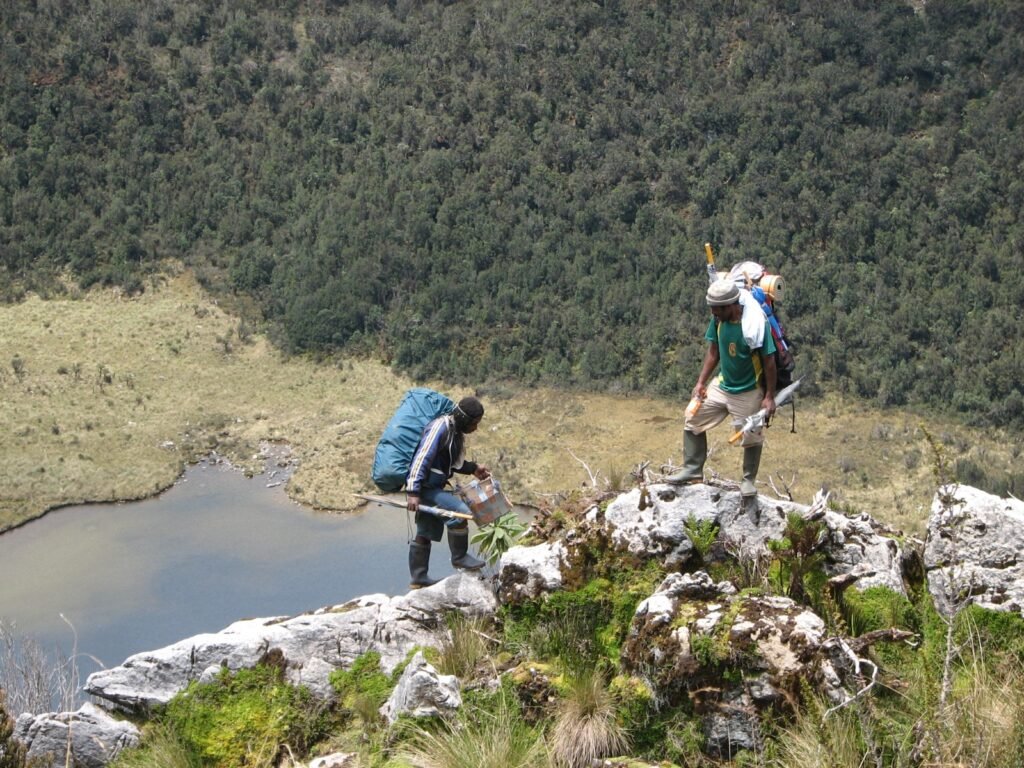
Carstensz is the only peak within the Seven Summits located in the tropics. Historically, it was home to rare tropical glaciersan exceptional geological phenomenon not found elsewhere in Indonesia.
2. The Dramatic Beauty of the Jayawijaya Mountains
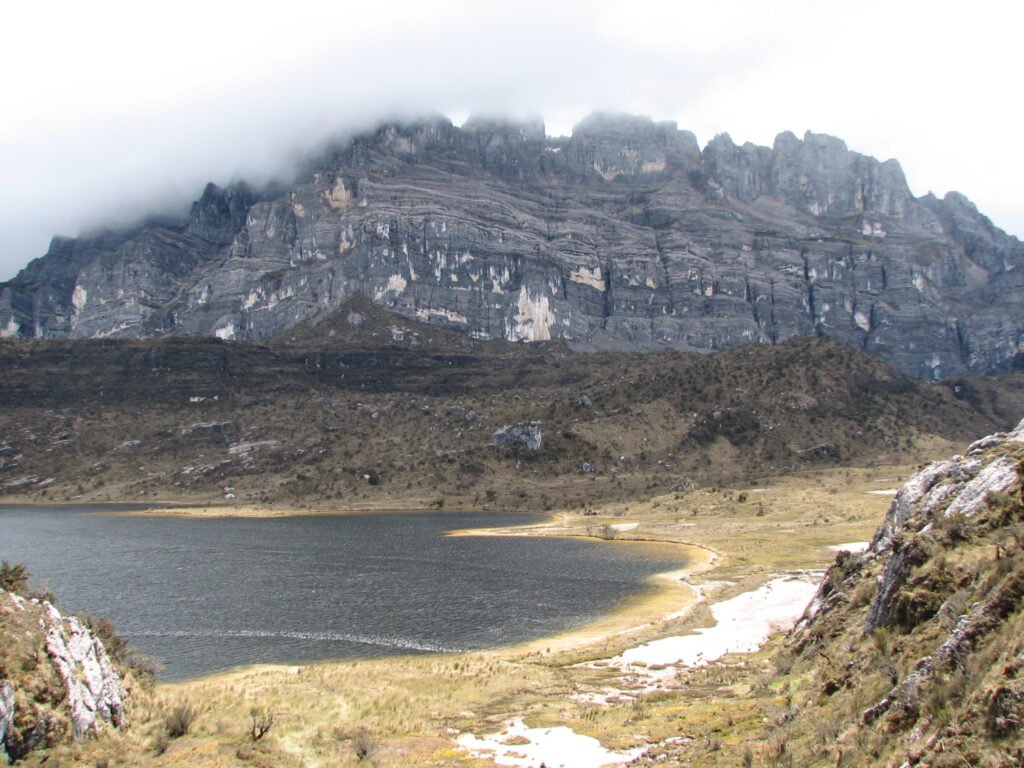
The climbing route passes through striking Papuan landscapes: sharp karst cliffs, rocky valleys, crystal-blue lakes, and the iconic Yellow Valley, which serves as a visual highlight for climbers. These features make Carstensz distinctly different from other mountains in Indonesia.
3. Cultural Encounters with Indigenous Papuan Communities
The journey to Carstensz often includes meaningful interactions with indigenous groups such as the Moni or Dani tribes. Their traditions, traditional houses, and warm hospitality add a rich cultural dimension to the expedition.
The Climber's Experience: From the Journey to the Summit and Back
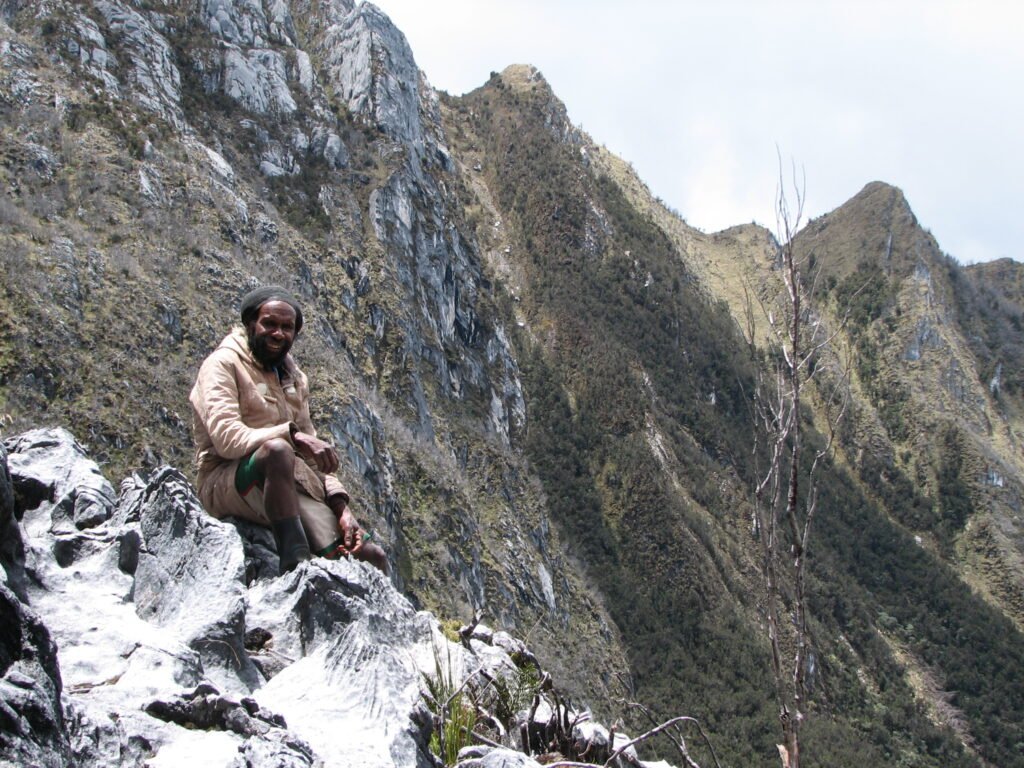
Many climbers describe Carstensz as an expedition that is “more than just a climb.” The combination of long treks, technical rock climbing, relentless rain, and massive alpine scenery turns every step into an adrenaline-filled experience.
One of the most unforgettable moments is stepping onto the final skywalk just before reaching the summit-the highest point in Oceania according to the Carstensz version of the Seven Summits. When the clouds part, the majestic white limestone peak appears to pierce the sky.
Upon reaching the summit, relief and emotion blend into a profound sense of accomplishment. A summit photo against the dramatic karst walls of the Jayawijaya Mountains becomes a symbol of an achievement attained by only a small number of people worldwide.
Climbing Carstensz Pyramid is not simply an outdoor activity, but a rare expedition defined by challenge and uniqueness. Its technical routes, extreme weather, and the captivating beauty of the Jayawijaya Mountains make it one of the most exclusive climbs in Indonesia.
For climbers who are physically, mentally, and technically prepared, Carstensz offers an incomparable experience-a journey that will be remembered for a lifetime.
