Uncovering the Wonders of Lorentz Park: From Eternal Glaciers to Papua's Tropical Forests
Amidst the dense forests and vast wilderness of Papua, Lorentz National Park stands as one of the most stunning and mysterious places on earth. Covering over 2.3 million hectares, it is the largest national park in Southeast Asia. Due to its unique landscape, Lorentz is the only place in the world that combines coastal ecosystems, tropical swamps, rainforests, and snow-capped peaks in one cohesive area. It's no wonder that UNESCO recognized Lorentz as a World Heritage Site in 1999.
However, Lorentz is more than just a number or a title.
This is a living world, where nature holds stories thousands of years old, and where humans are relearning humility in the presence of nature.
From Coastal Heat to Eternal Snow
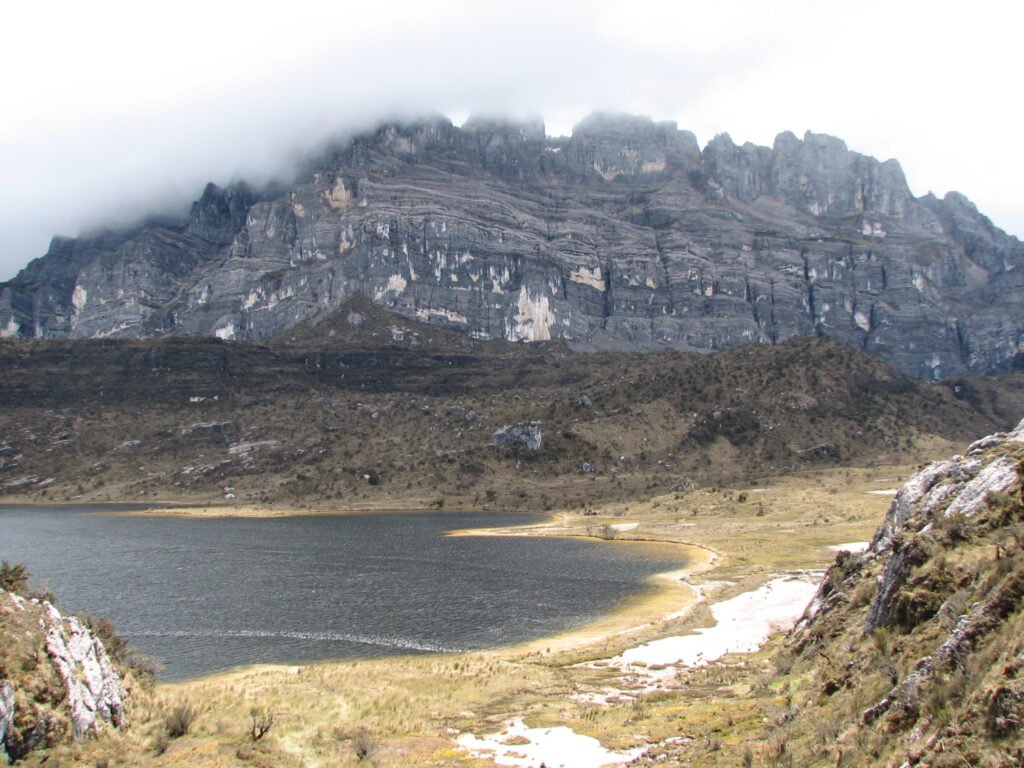
The greatest wonder of Lorentz lies not only in its vastness, but in the extraordinary change in sightlines within a single vertical path. In a single area of the national park, visitors-whether simply observing or learning-can find a wide variety of ecosystems, such as: Mangrove forests and mudflats, Vast marshes and fertile valleys, Humid tropical rainforests, Alpine meadows, and snow-capped mountain peaks.
At its highest point, the Lorentz Region includes the Jaya wijaya Mountains, home to Indonesia's last tropical glacier.
The snow at an altitude of over 4,800 meters is proof that Papua still holds rare and unique traces of the Ice Age. Unfortunately, climate change is causing this glacier to become increasingly depleted, making the Lorentz glacier not only a natural wonder but also a warning to humanity to be more vigilant about the Earth's future.
Unparalleled Biodiversity
The biodiversity of Lorentz Park is extraordinary. Scientists estimate that more than 630 species of birds, including birds of paradise, cassowaries, and cockatoos, live alongside hundreds of indigenous Papuan mammals such as tree kangaroos, wallabies, and horsetail cuscuses. The region's flora is also extraordinary, from mangrove forests along the southern coast to alpine plants that grow only at elevations above 4,000 meters. This rapid ecological change makes Lorentz one of the world's greatest natural laboratories, where biologists, geologists and climatologists continue to learn about how living things adapt and how the Earth changes.
What makes Lorentz Park so special is the presence of indigenous people who have lived here for thousands of years.
The Asmat, Amungme, Dani, and several other communities live in harmony with their surroundings. They maintain ceremonies, knowledge, and a spiritual connection to the earth, now recognized as a UNESCO World Heritage Site. In Lorentz, nature and humans are not opposites, but interdependent, reading each other's signs, and growing at the same pace. The way indigenous peoples live in harmony with the forests and mountains demonstrates that conservation does not always mean separating humans from nature-sometimes the opposite is true, incorporating local knowledge is key to long-term environmental sustainability.
Besides its ecological and cultural value, Lorentz also has extraordinary geological riches.
This region is part of the Pacific Ring of Fire, so the landforms are shaped by intense tectonic activity. Puncak Jaya, the highest mountain in Indonesia and Oceania, rose out of the sea millions of years ago as a result of the collision between the Australian and Pacific plates. The result is a landscape of extremes: towering cliffs, vast valleys, ice-filled rivers, and muddy, otherworldly plateaus. The remaining Carstensz Glacier now serves as a global warning to Earth's survival - its once-thick ice sheet is thinning every year.
Ultimately, learning about Lorentz National Park makes us realize how rich Indonesia is, not only in nature, but also in the culture and human stories within it. From the diminishing glaciers, the pristine tropical forests, to the wisdom of the local community that maintains its balance, this reminds us that Lorentz is not just a location on a map, but a vast place that we must protect together.
