How Adventure Becomes Education, Livelihood, and Leadership
Central Papua, Timika - In the highlands of Papua, the mountains are more than dramatic backdrops. They are classrooms, workplaces, and proving grounds for a new generation of local youth learning to turn adventure into profession.
As interest in mountaineering and adventure tourism grows around iconic peaks like Carstensz Pyramid, a quiet transformation is taking place on the trails. Young Papuans-many of whom grew up navigating steep ridges and dense forests-are being trained not just to climb, but to lead.
From Daily Survival to Technical Skill
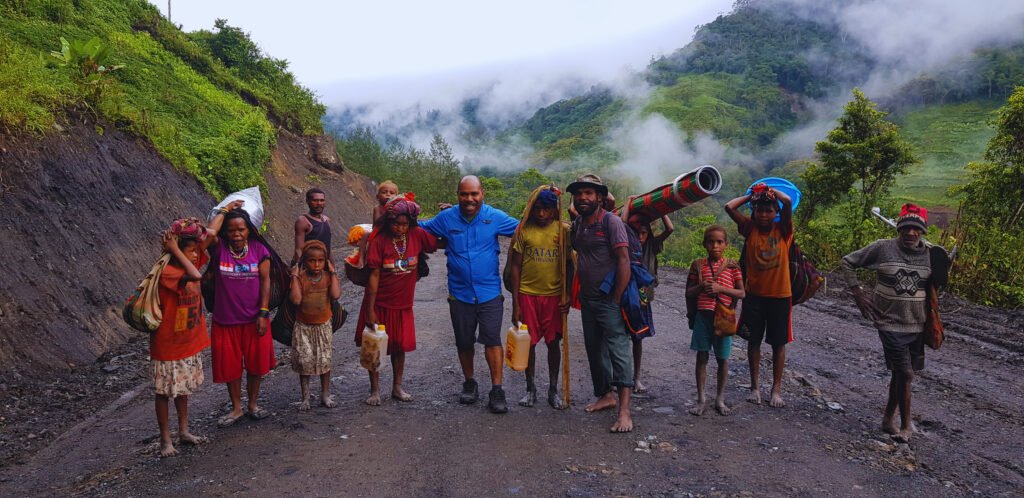
For decades, local knowledge of Papua's terrain has been passed down informally: how to read weather shifts, cross swollen rivers, or move safely along exposed slopes. Training programs now aim to combine this inherited wisdom with modern mountaineering standards-rope systems, glacier travel, rescue techniques, navigation, and risk management.
The shift is significant. What was once survival knowledge is becoming a certified skill. Youth who once worked as porters are learning to plan routes, assess hazards, and manage teams. In doing so, they are stepping into roles traditionally dominated by outsiders.
Education Beyond the Classroom
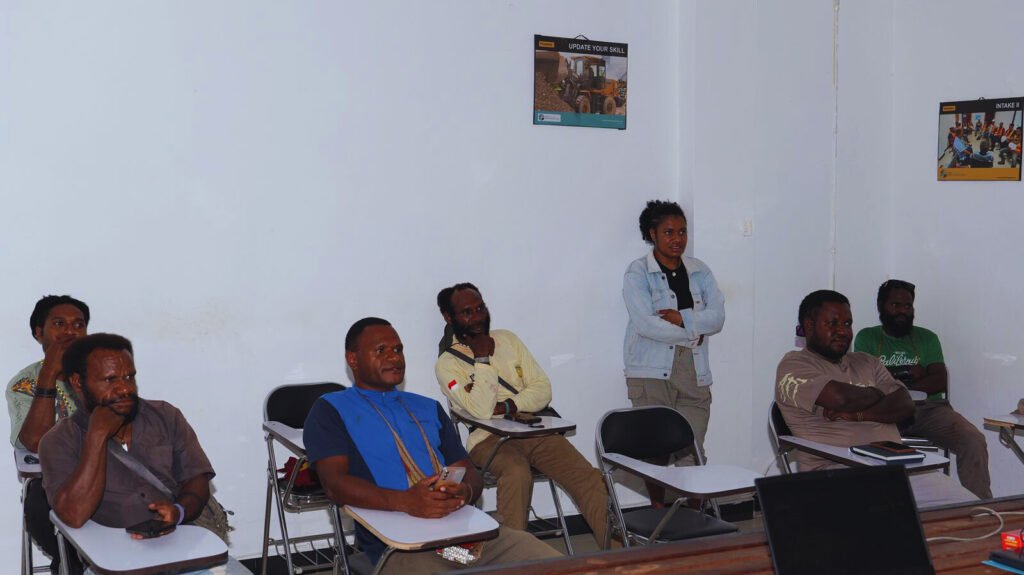
In remote regions where access to formal education remains limited, mountaineering training offers an alternative learning pathway. Participants develop discipline, problem-solving, and teamwork-skills that extend far beyond the mountain.
Each expedition becomes a lesson in leadership: decisions must be made under pressure, communication must remain clear, and responsibility is shared. Mistakes carry consequences, and success depends on trust.
For many young trainees, this form of education feels immediate and relevant. The mountain does not reward theory alone-it demands competence.
Creating Sustainable Livelihoods
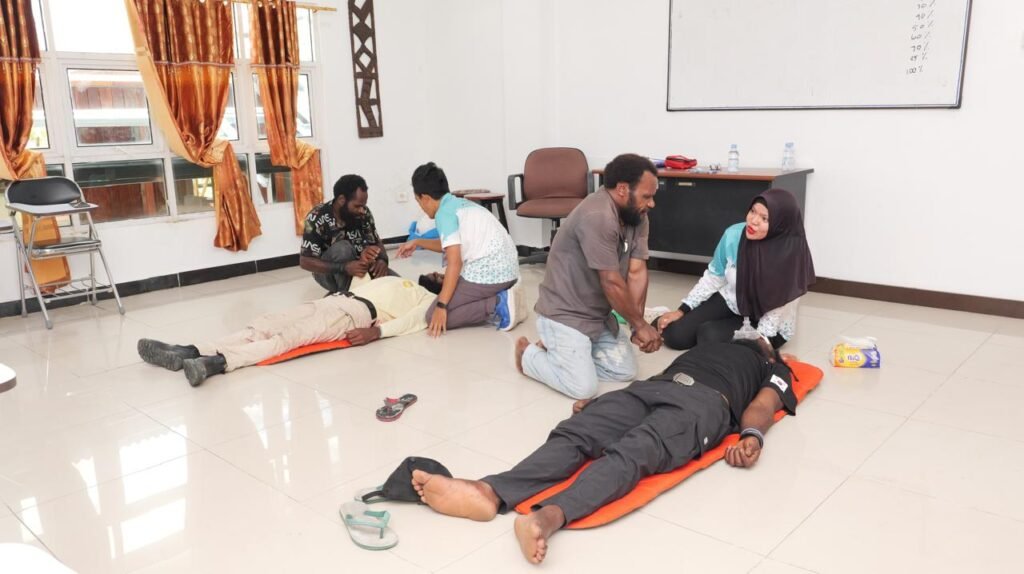
Professional training opens doors to safer, more stable employment. Certified local climbers can work as guides, safety officers, rescue personnel, and expedition coordinators. Income from guiding supports families, funds education for siblings, and strengthens local economies.
Equally important, professionalization improves safety standards across expeditions. When local climbers are properly trained and equipped, risks decrease-not only for visitors, but for the workers themselves, who have long borne the greatest danger with the least protection.
Leadership Rooted in Place
Training local youth to become mountaineers is also an act of reclaiming narrative. These mountains are part of Papuan identity, yet decision-making on the ground has often been led by those with less connection to the land.
As local climbers gain credentials and confidence, they also gain voice. They advocate for ethical practices, environmental respect, and fair treatment of workers. Leadership, in this context, is not about standing above others-but about standing up for the community.
A Path Forward
The future of adventure in Papua does not depend solely on new routes or record-breaking ascents. It depends on people-on whether local youth are given the tools to grow, lead, and thrive in the landscapes they call home.When adventure becomes education, livelihood, and leadership, the mountain offers more than a summit. It offers a future. (PMA)
