Papua is home to hundreds of indigenous tribes, each with its own traditions, belief systems, and ways of life shaped by geography and history. In this third part, we highlight four more indigenous tribes of Papua: the Moni, Muyu, Sentani, and Kamoro tribes.
The Moni Tribe
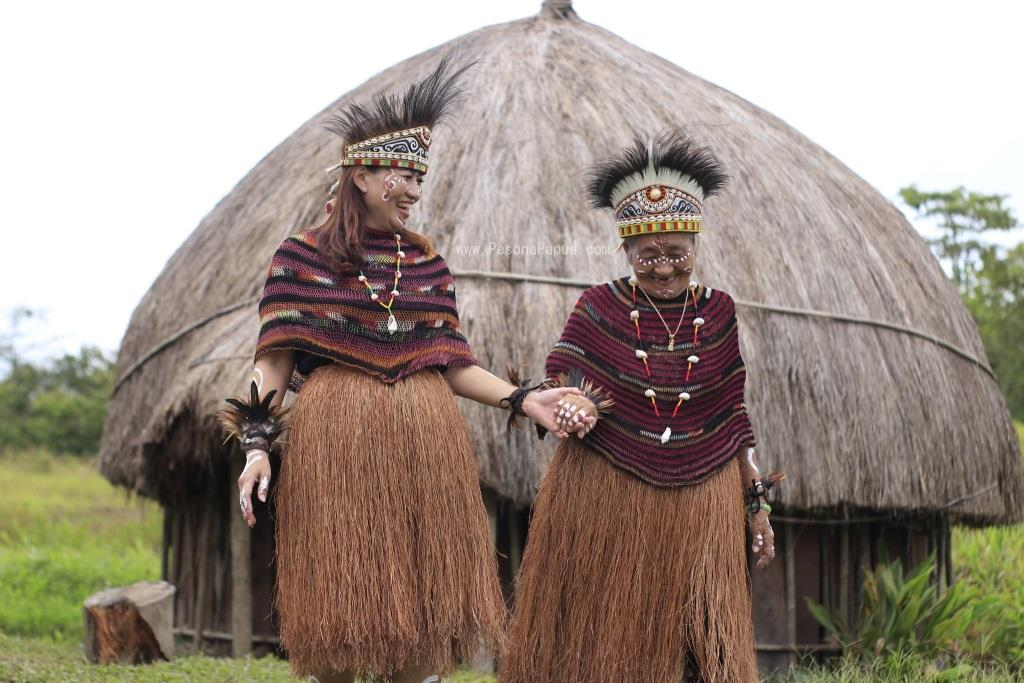
The Moni Tribe inhabits the highland regions of Intan Jaya Regency, Papua. The Moni people continue to strongly uphold their traditional beliefs, especially those related to honoring their ancestors. Respect for the deceased is shown through ceremonial rituals, including pig sacrifices and the traditional stone-burning ceremony.
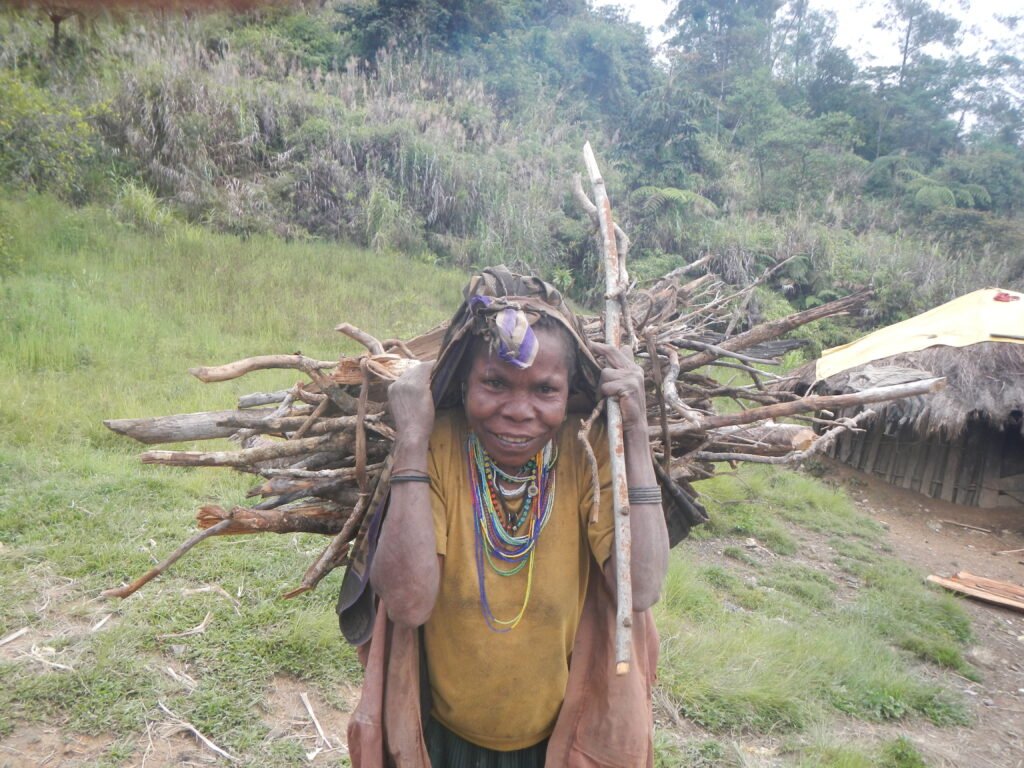
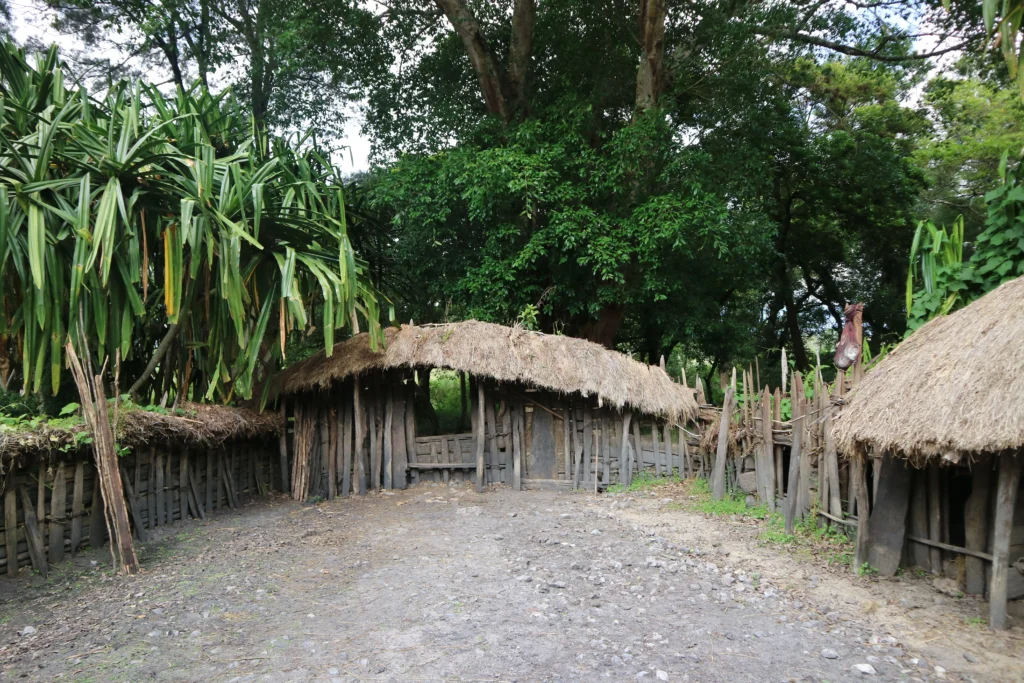
Traditional clothing is still worn by the Moni in daily life and cultural events. Men wear koteka made from yellow gourds, while women wear grass skirts known as wah. They live in traditional houses called honai, round huts with grass roofs designed to retain warmth in the cold highland climate.
Christianity began to influence the Moni community around 1935, Despite this, many traditional beliefs remain strong. The Moni believe that spiritual powers inherited from their ancestors are passed down through male lineage. These powers are believed to protect gardens, heal illnesses, prevent disease, and ensure soil fertility for farming.
One important traditional ceremony still practiced today is Retrieved from, a ritual held to honor ancestral spirits. During this ceremony, participants carry traditional weapons such as spears, axes, machetes, bows, and arrows. For the Moni people, respecting ancestors is seen as a way to respect nature and maintain balance in life.
The Muyu Tribe
The Muyu Tribe lives in areas surrounding the Muyu River, northeast of Merauke, Papua. They speak the Muyu language, There are two main theories about the origin of the name “Muyu.” One suggests it emerged around the time Catholic missionaries, led by Dutch priest Petrus Hoeboer, arrived in 1933. Another theory suggests the name came from the local term “ok Mui” or “Mui River,” which was later adapted by Dutch settlers.
Traditionally, the Muyu people rely on hunting, fishing, pig and dog husbandry, and sago production. Unlike many other tribes, the Muyu do not recognize a single supreme leader in either social or religious life. Their society values individual independence, hard work, and personal responsibility.
The Muyu are known for visiting relatives frequently, trading goods, honoring family graves, settling debts, and seeking spiritual strength. Illness or death is traditionally believed to be caused by sorcery. The tribe is widely recognized for its strong work ethic and determination, traits that remain visible today.
The Muyu are often regarded as one of the most educated indigenous groups in Papua. Many hold important positions within the government structure of Boven Digoel Regency, where approximately 45 percent of civil servants are from the Muyu tribe. Several have also served as regional leaders. Education is highly valued within the community.
The Sentani Tribe
The Sentani Tribe lives around Lake Sentani, in Jayapura Regency, Papua. Their population is estimated at
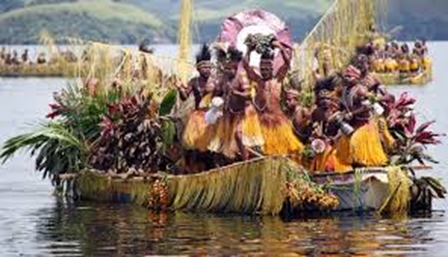
around 30,000 people. Sentani settlements are divided into three main geographic groups.
The western group is centered on Yonokom Island, On the mainland, with villages such as Doyo, Sosiri, Yakonde, and Dodai. On the nearby mainland live the Moy Tribe, The community is located in villages including Sabron Yaru, Dosai, Waibron, and Maribu, each with its own dialect.
The eastern group is concentrated on Asei Island, With villages such as Ayapo, Asei Kecil, Waena, and Yoka. The central group resides on Ifar Island, This is the first time that we have visited the village of Ifar, in villages including Kabetrow, Ifar Besar, Ifar Kecil, and Siboiboi.
The Sentani people are closely connected to lake ecosystems, relying on fishing, small-scale agriculture, and traditional crafts. Their cultural identity is strongly tied to Lake Sentani as both a source of life and a center of social activity.
The Kamoro Tribe
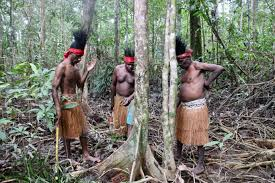
The Kamoro Tribe lives along the southern coastal region of Papua, mainly in Mimika Regency. Their territory stretches approximately 250 kilometers, From the Otakwa River in the east to near Potowai Buru in the west.
The Kamoro are a semi-nomadic community that live across three main ecosystems: tropical rainforests, mangrove swamps, and river estuaries rich in natural food sources. This close relationship with nature strongly influences their daily lives and cultural practices.
Kamoro culture is rich and expressive. Women are traditionally skilled in weaving, while men are known for wood carving. Music, dance, storytelling, and ritual ceremonies play an important role in community life. One of their most important traditional rituals is Karapao, This is a practice that continues to be practiced today as a way to honor ancestral spirits and maintain cultural identity.
Part 4 will continue exploring other indigenous tribes of Papua and their unique traditions.
