Team Roles on the Trail: What the Carstensz Pyramid Teaches Us About Climbing as One
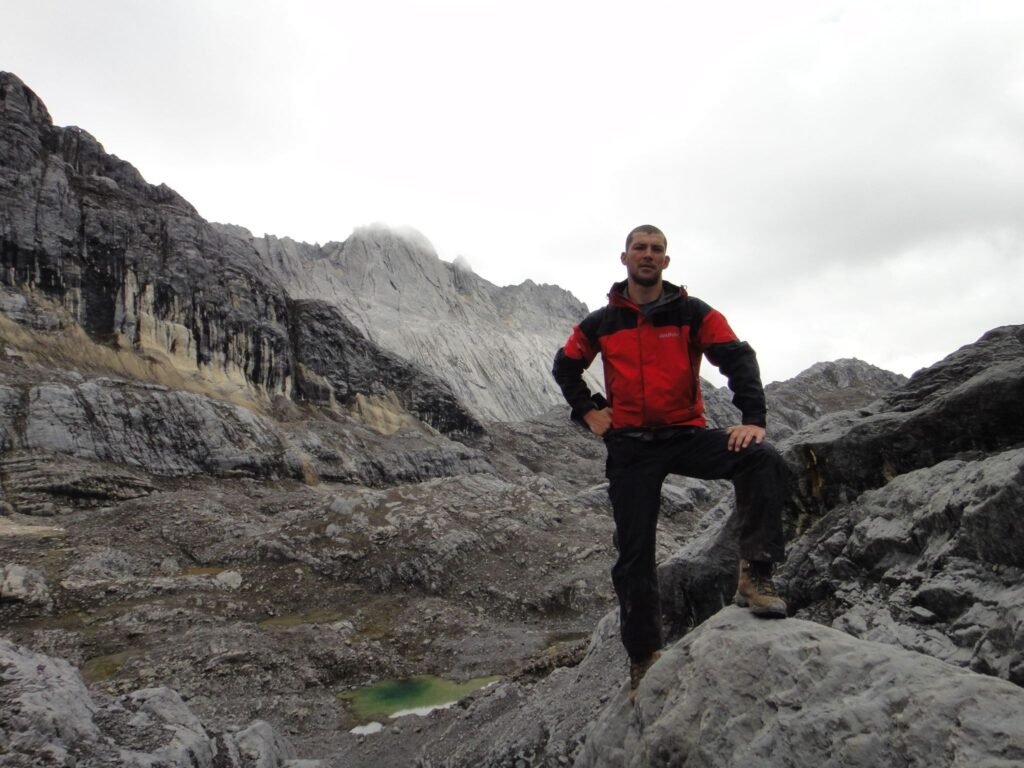
Mountaineers often assert that no one ever reaches a mountaintop alone. The higher and rougher the terrain, the more clearly this truth emerges. Carstensz Pyramid in Papua, Indonesia, is one of the most obvious examples. Carstensz, Oceania's highest peak and part of the Seven Summits challenge, climbs 4,884 meters above sea level and requires technical climbing expertise, endurance, coordination, and collaboration. According to Mountain IQ, the ascent involves rock climbing on steep limestone cliffs, exposure to cold weather, and the use of ropes, harnesses, and helmets for safety (MountainIQ.com, 2024). In such an expedition, each team member's job becomes critical to success and survival.
Consider this the climbing script you'd want to save. In a trekking story, there will always be a Navigator who sets the course, a Leader who takes choices, a Logistics handler who handles supplies, a Documenter who logs the voyage, and a Sweeper who ensures that no one falls behind. These positions include more than simply creative storytelling. They mirror what teams rely on during actual Carstensz trips.
Getting to Carstensz may entail several days of jungle trekking over inaccessible territory with variable weather, rivers, and marshes. The Navigator keeps the crew on track and steers them clear of dangerous situations. When unexpected impediments arise, such as washed-out paths or tribe checks, they must remain cool and alert. Without this function, the crew risks wasting time, depleting supplies too quickly, and losing morale before reaching the base of the wall.
While the Navigator directs the group, the Leader assumes command. Their responsibility is to direct, organize, motivate, and make key decisions. Carstensz is infamous for abrupt weather changes that can transform a pleasant day into a dangerous drop in minutes. ExplorersWeb documented situations in which climbers suffered hypothermia and accidents after pushing too hard under deteriorating conditions (ExplorersWeb, 2023). In cases like this, the Leader must decide whether to persevere or retreat. A strong leader isn't the loudest member of the team. Instead, they promote peace among members, handle disputes, and ensure that everyone is working toward the same goal. Good Carstensz leadership typically entails understanding when to halt as well as when to proceed.
The person in charge of logistics is listed third in the script. They count food rations, balance pack weight, inspect rope condition, and set up climbing gear. This function may appear easy, but for Carstensz, it is critical. Fixed lines, carabiners, cold-weather gloves, and vertical rock face protection are all used on the route. According to Carstensz Papua, a climbing guide provider, obtaining permits and transportation necessitates organization, negotiation, and, in many cases, a considerable expense. Without a coordinated logistical manager, the party may run out of food or fuel, lose essential equipment like ascenders or rappel devices, or leave medical supplies behind. Every gram counts while ascending steep limestone at approximately 5000 meters.
The documentarian is often the group's most creative member. They photograph, record videos, and preserve memories. Many individuals climb Carstensz for more than just the peak; they come home with a tale. Beyond that, documentation has a practical purpose. It can track weather patterns, travel complexity, and the state of fixed lines. Photographs frequently aid future climbs by letting climbers understand the cracks, traverses, and anchors they may encounter. Documenters must remain aware so that they do not disrupt the climb's pace or cause delays for other members. They must also protect the equipment from rain, cold weather, and dampness. Several climbing reports included images from past teams as guidelines for those planning future adventures (Climbing.com, 2022).
The Sweeper is the final role in your story. This is the gatekeeper in the back, ensuring that no climber is left behind. On Carstensz, the Sweeper is occasionally the quiet hero. They assist fatigued team members, provide extra equipment as needed, and check for altitude sickness symptoms. The altitude of Carstensz can produce headaches, nausea, and exhaustion. Kompas said that many climbers failed not due to the fact they could not climb the wall, but because fatigue and cold sapped their strength near the top of the ridge (Kompas.id, 2022). A good Sweeper encourages all members and ensures their safety. Reaching the pinnacle is meaningless if someone goes missing or is hurt while descending.
