Central Papua, Timika - Papua's mountains are among the most dramatic and demanding landscapes on Earth. From the jagged limestone towers of Carstensz Pyramid to the dense rainforest approaches and unpredictable alpine storms of the Sudirman Range, these peaks offer both extraordinary beauty and serious risk. As global interest in adventure travel grows, so does the urgency of one critical question: who defines safety on Papua's extreme mountains?
For decades, expeditions have relied heavily on foreign guiding standards, imported logistics systems, and external risk assessments. While these frameworks have contributed valuable technical expertise, they often overlook one essential element - the lived knowledge of local communities who have navigated these terrains for generations. Standardizing safety in Papua is not simply a technical matter. It is a matter of leadership, equity, and long-term sustainability.
The Unique Risks of Papua's Mountains
Climbing in Papua is unlike climbing in most other parts of the world. The challenges begin long before reaching high altitude. Expedition routes often require days of trekking through remote villages, river crossings, thick jungle, and steep muddy ridges. Weather conditions can shift within hours, turning stable rock faces into slippery hazards. Helicopter evacuations are not always possible due to cloud cover or limited infrastructure.
These realities demand safety standards tailored specifically to Papua's environment - not merely adapted from alpine Europe or North America. Protocols for weather monitoring, communication systems, medical response, porter welfare, and route management must reflect the logistical and cultural context of the region.
Why Local Leadership Is Essential
Local guides and porters are the backbone of Papua's mountaineering industry. They carry loads across treacherous terrain, establish camps, interpret weather patterns, and often serve as first responders during emergencies. Yet historically, they have had limited authority in shaping official safety frameworks.
Local-led mountaineering standards would shift that balance. Indigenous climbers possess intimate knowledge of the mountains’ microclimates, seasonal patterns, and traditional pathways. Their experience is not theoretical; it is practical and continuous. Formalizing this knowledge into standardized safety procedures ensures that best practices are rooted in the realities of the land.
Moreover, empowering local leadership strengthens accountability. When standards are developed within the community, compliance becomes a shared responsibility rather than an external imposition. This fosters a culture of safety that extends beyond individual expeditions.
Professionalization and Training
Standardization also opens the door to professional certification pathways for Papuan climbers. Clear training requirements, rescue protocols, and guiding qualifications elevate mountaineering from informal labor to recognized profession.
With structured training in technical climbing, wilderness first aid, risk management, and leadership, local youth can build careers that are both economically sustainable and internationally respected. This reduces dependency on foreign guide dominance and keeps a greater share of expedition revenue within the region.
Furthermore, professional standards create clarity for international clients. When climbers know that local guides operate under certified, transparent safety systems, trust increases. Responsible tourism thrives where professionalism is visible.
Ethical Responsibility and Equity
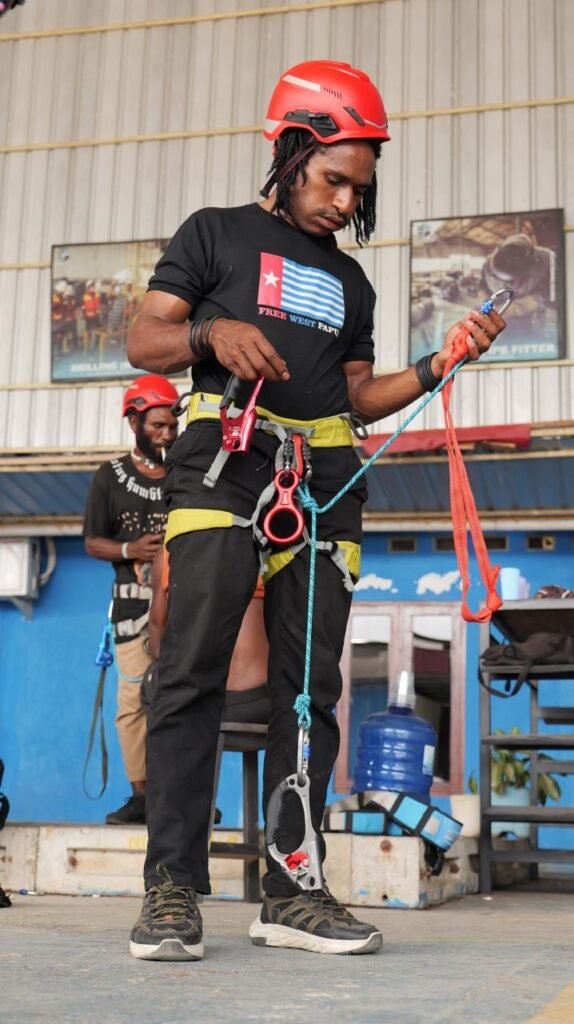
Safety is not only about helmets and ropes. It is also about fair compensation, proper equipment for porters, insurance coverage, and emergency evacuation guarantees. Standardized regulations can address long-standing inequities, ensuring that those who take the greatest physical risks are not the least protected.
In many mountain destinations worldwide, tragic accidents have exposed gaps in labor protection for local workers. Papua has the opportunity to learn from those precedents. Establishing enforceable welfare standards protects lives and affirms the dignity of indigenous mountaineers.
Sustainability for the Future
Papua's mountains are fragile ecosystems as well as cultural homelands. Local-led standards can integrate environmental stewardship with safety planning. Waste management policies, route preservation, and community consultation become integral parts of expedition protocols.
When communities are involved in designing the rules, conservation becomes a collective priority rather than a secondary concern. This alignment between safety, livelihood, and environmental care ensures that mountaineering growth does not erode the very landscapes that attract climbers.
A Path Forward
Standardizing safety on Papua's extreme mountains is not about replicating foreign models. It is about building a system that recognizes indigenous expertise, formalizes professional training, and protects both climbers and communities.
The peaks of Papua demand respect. That respect must extend beyond the summit to the people who call these mountains home. By placing local leadership at the center of mountaineering standards, Papua can set a precedent for ethical adventure tourism - one where safety, sovereignty, and sustainability rise together.
In the world of high-risk exploration, the strongest anchor is not merely technical skill. It is trust - built on local knowledge, shared responsibility, and standards shaped by those who know the mountains best. (PMA)
