Performing Identity and Values: Ethics, Ritual and Aspiration in Papuan Mountaineering
Climbing the mountains in Papua is not just an ascent, but a cultural and religious journey entrenched in local customs. For many of the inhabitants, mountains are sacred sites that harbor the spirits of their ancestors, stories of a rich past and life lessons preserved from generation to generation.
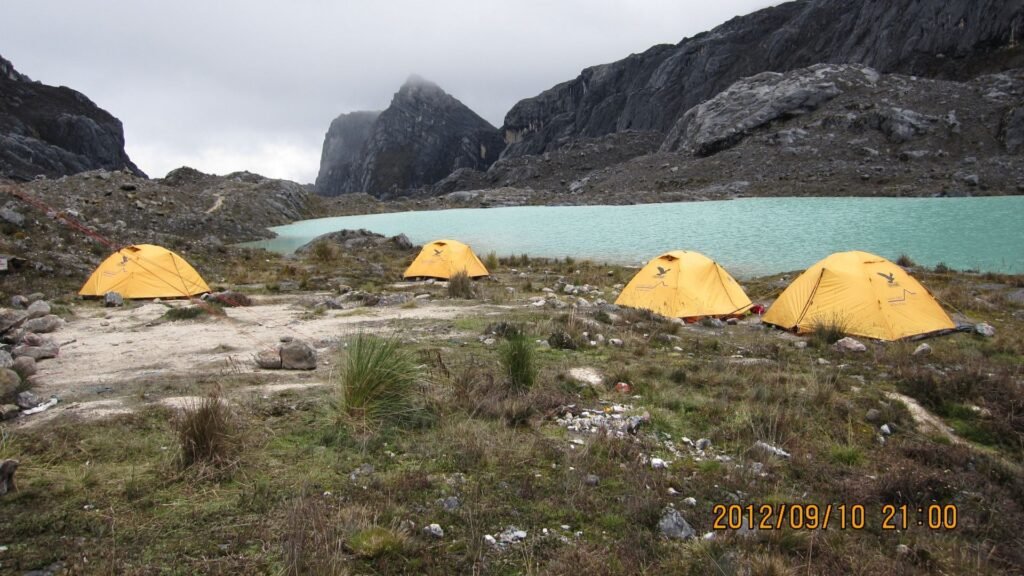
Ritual standards Before climbers enter rugged provinces, it is common for elders in the locality or leaders of local communities to perform ritual standards. These traditions are rituals to respect and request permission from the world of nature and ancestors. It mirrors the belief that humans are guests of the mountains, rather than owners. Ignoring these practices is seen as offensive and unnatural.
Ethic is the main thing in Papuan climbing culture. Responsible climbing and respect for the mountain, its inhabitants (griffin vultures of Syria and awrams) and other players is vital. Noisy behavior, littering and misuse of the nature is discouraged. The anything-but-rushed philosophy of moving in harmony with nature informs every step, instructing climbers to leave no trace and to proceed with mindfulness and humility.
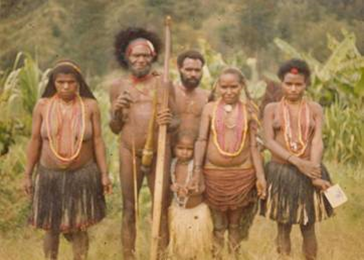
Among the Indigenous, this is accompanied by a collectivist ethos. In Papuan culture, a journey is seldom just between an individual and the wilderness. Comraderie, taking care of one another and being there for each other are as essential to an expedition as is the food.
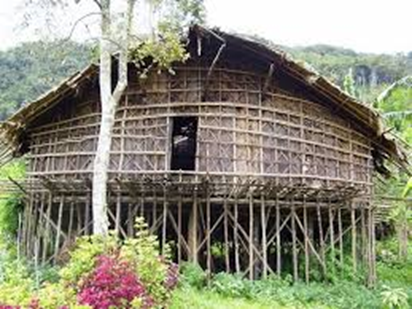
By embracing rituals, ethics, and indigenous wisdom, mountaineering in Papua becomes more meaningful than a pursuit of adventure. It transforms into an act of cultural respect and environmental stewardship, ensuring that the mountains of Papua remain preserved, honored, and alive for future generations.
