Nemangkawi: The Eternal White Arrow of the Amungme Highlands
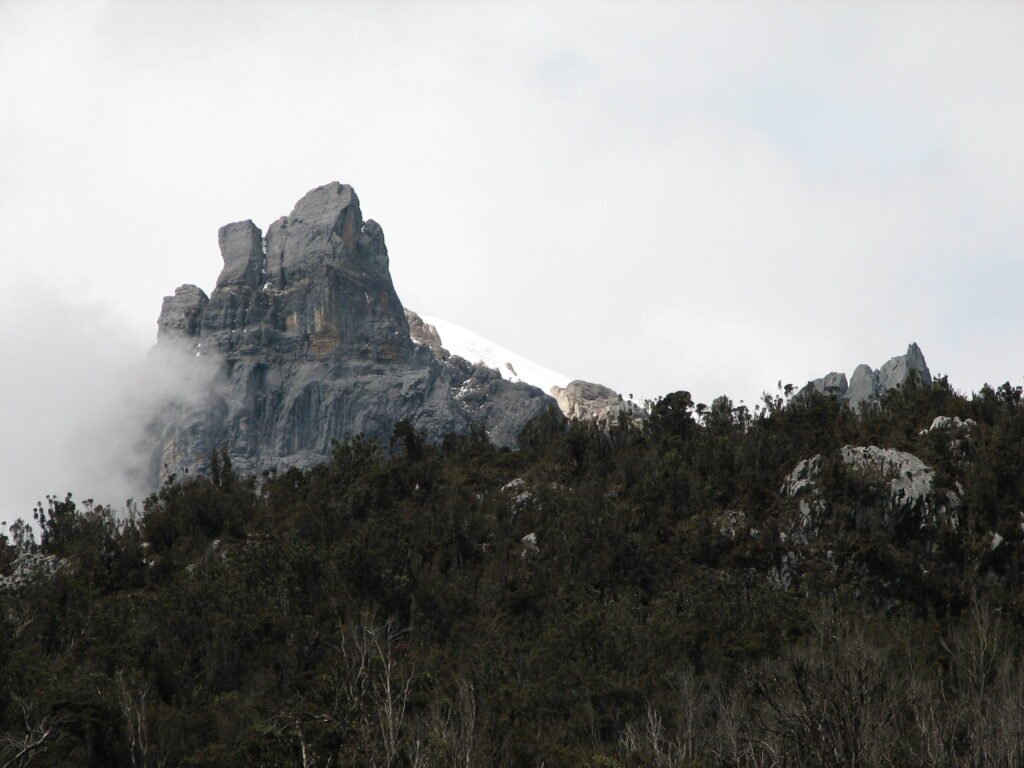
For the Amungme people of Papua, the mountain known internationally as Carstensz Pyramid carries a sacred identity far older than any modern name. They call it Nemangkawi, a word deeply connected to their heritage and their spiritual relationship with the land. This name embodies the Amungme worldview, where nature is not only a landscape but a living guardian.
Nemangkawi means white arrow, a reference to the snow that rests permanently on the summit. The sight of a white peak in a tropical land is considered a symbol of purity and divine presence. For generations, the Amungme have believed that the white-tipped mountain points towards the spiritual world and stands as a steady protector of their homeland.
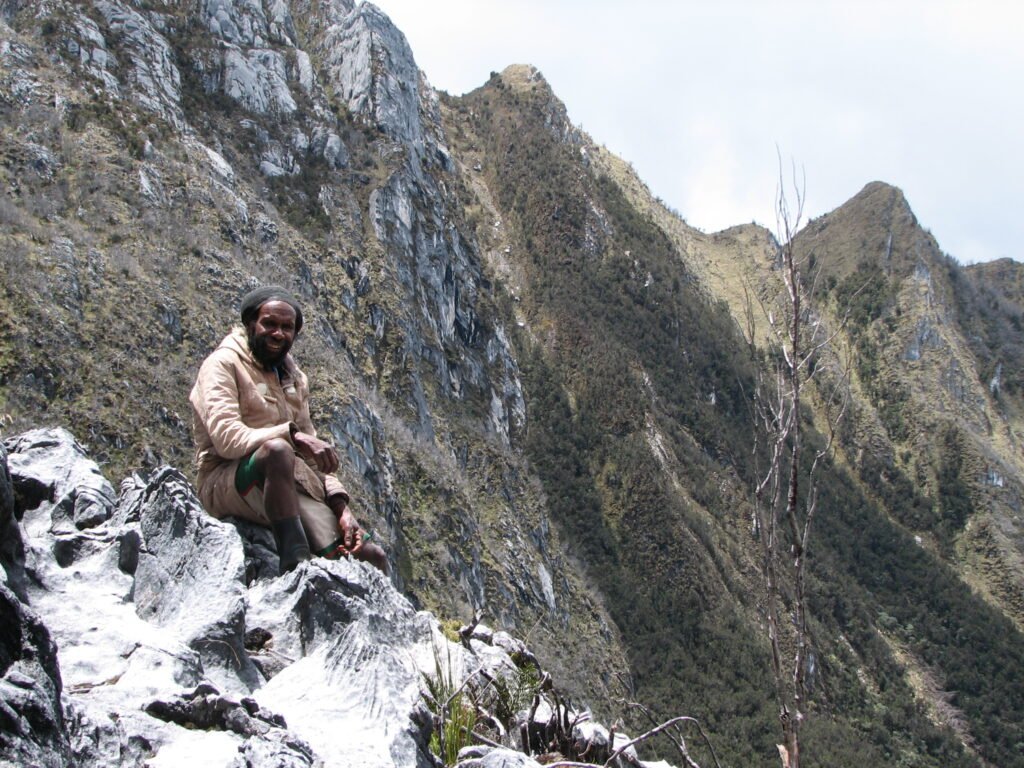
Within Amungme cosmology, Nemangkawi is understood as the dwelling place of ancestral spirits. Elders teach that approaching the mountain requires humility, careful thought, and ritual preparation. Disturbing the sacred peak without proper respect is believed to disrupt the balance that exists between humans and the spirit realm.
Stories about Nemangkawi are preserved through oral tradition, passed down from one generation to the next. Each tale reinforces the understanding that the mountain is not merely a geological formation but a living symbol of identity, protection, and unity. Though the world may call it Carstensz or Puncak Jaya, to the Amungme it remains the eternal white arrow watching over their people.
Nemangkawi continues to play an important role in cultural life. It strengthens the bond between the Amungme and their ancestral land and serves as a reminder that modern names and borders cannot replace the ancient knowledge held by Indigenous communities.
