Ndugu-Ndugu: The Falling Snow That Connects the Dani to the Spirit World
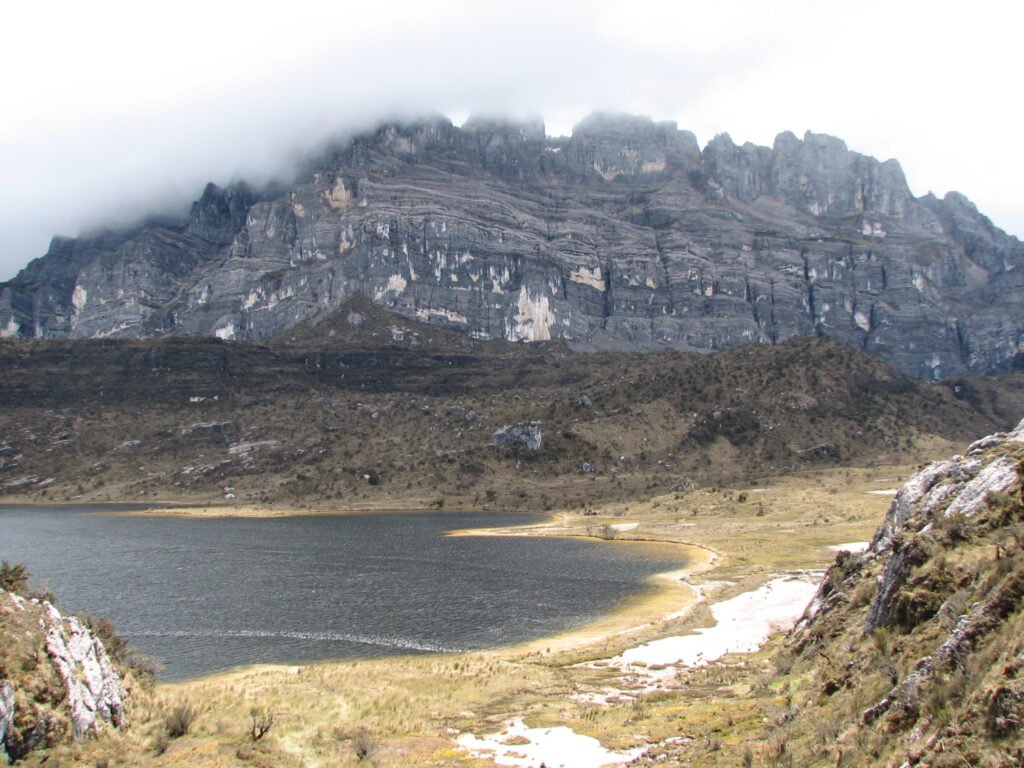
Among the Dani people of the Papuan highlands, the peak known to outsiders as Carstensz carries the name Ndugu-Ndugu. This term means falling or dropping, and it refers to the rare and mesmerizing sight of snow cascading from the summit. The falling ice is not seen as a natural phenomenon alone but as a message from the spirit world.
The Dani believe that Ndugu-Ndugu forms a connection between their physical environment and the realm of ancestral spirits. Because of its sacred role, the mountain must be approached with care and guided by rituals. Entering the area without proper ceremony is believed to disturb the spiritual balance and may invite misfortune.
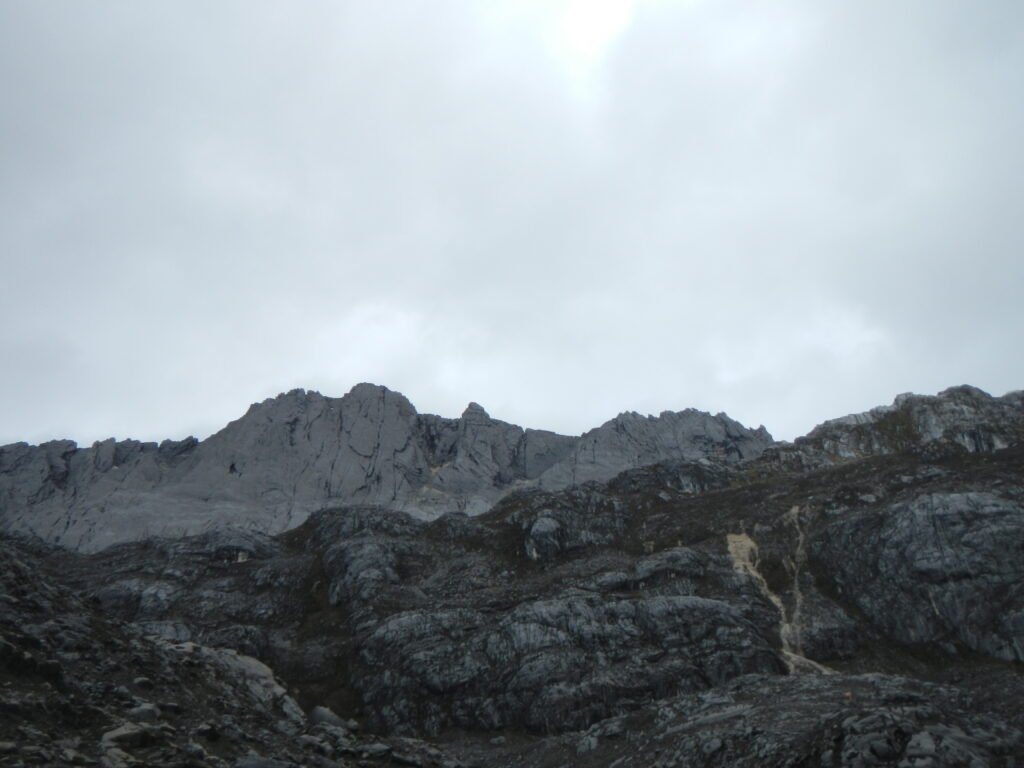
Before major hunts, journeys, or important decisions, Dani men often perform rituals seeking guidance from the spirits associated with Ndugu-Ndugu. These ceremonies reflect the belief that nature and humanity are intertwined, influenced by unseen forces that shape both success and failure. For the Dani, the mountain holds wisdom that is revealed only to those who show humility and respect.
Traditions surrounding Ndugu-Ndugu are preserved through oral storytelling. Elders recount tales of ancestors, spirits, and the natural world working together to maintain harmony. Through these stories, younger generations learn that the mountain is not only a landmark but a guardian rooted deeply in their cultural identity.
To the Dani people, Ndugu-Ndugu stands as a reminder of their history and their connection to ancestral origins. Even as modern viewpoints reshape how the world sees Carstensz, the Dani continue to honor the mountain as a spiritual bridge linking past, present, and future.
