Mountaineering Ethics: Leave No Trace and Environmental Conservation
Mountain climbing is not only about reaching the summit-it is also about preserving the natural environment that is home to thousands of plant and animal species and fragile ecosystems. As interest in outdoor activities continues to grow, it is essential for every climber to understand and practice responsible mountaineering ethics. The Leave No Trace (LNT) The principles serve as a global guideline to help us enjoy nature sustainably without causing harm.
Why Mountaineering Ethics Matter
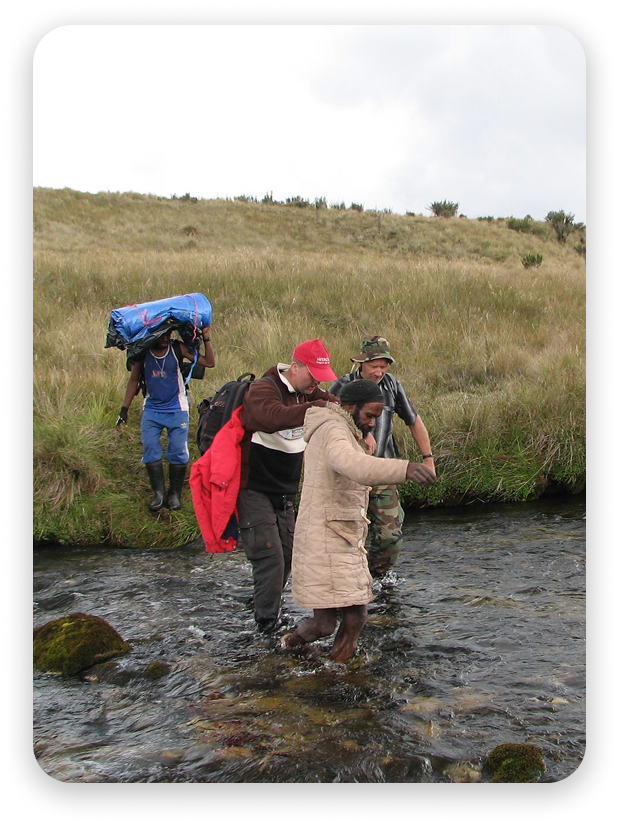
Mountains are living ecosystems that are highly sensitive to human activity. Small actions such as littering, picking plants, making uncontrolled campfires, or damaging trails can leave impacts that last for decades.
Practicing proper mountaineering ethics means:
- Reducing environmental damage
- Protecting wildlife habitats
- Ensuring safety and comfort for fellow climbers
- Preserving natural beauty for future generations
The Leave No Trace Principles for Climbers
Leave No Trace consists of seven core principles applied worldwide. Below is an explanation of each principle and how to implement it during a climb.
1. Plan Ahead and Prepare
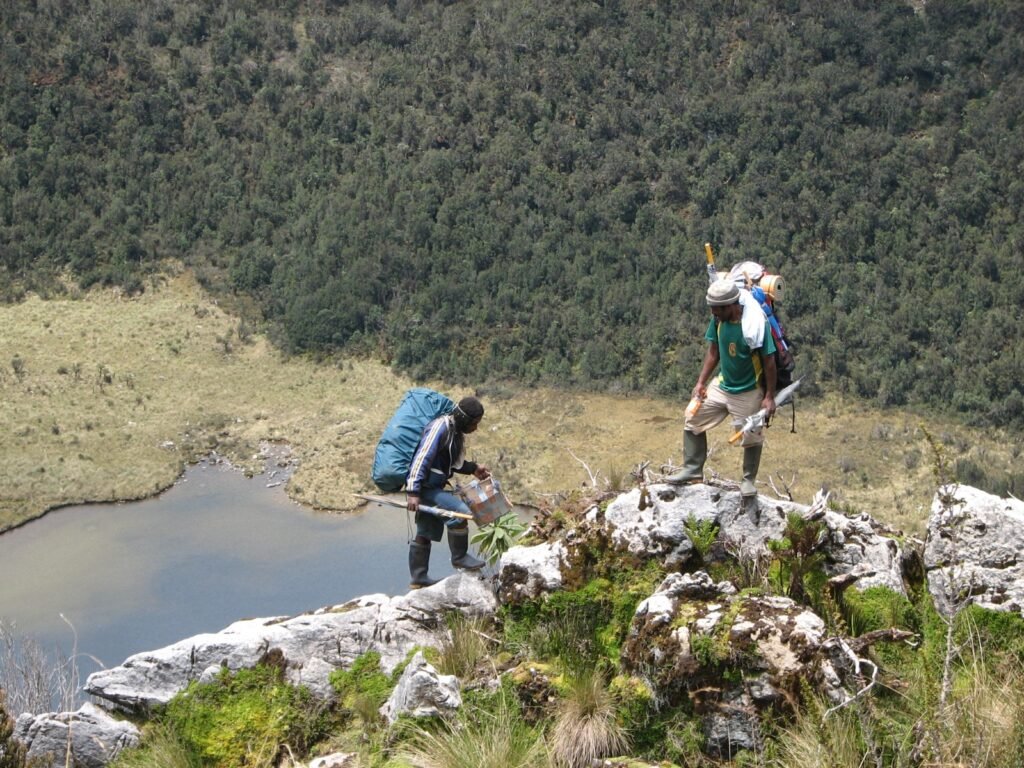
Good planning makes a climb safer and minimizes negative environmental impact.
How to apply it:
- Study the route, weather conditions, and local regulations.
- Use licensed or official guides when required.
- Bring appropriate gear without overpacking.
- Prepare eco-friendly logistics, including trash bags, rain gear, and safe cooking equipment.
2. Stay on Designated Trails and Use Established Campsites
Official trails are designed with ecological considerations in mind. Leaving the trail can damage vegetation and accelerate erosion.
How to apply it:
- Avoid creating new paths.
- Do not camp in sensitive areas such as near water sources or fragile grasslands.
- Use designated camping areas whenever possible.
3. Dispose of Waste Properly: Pack Out All Trash
Trash is one of the biggest problems in mountain environments. Every climber is responsible for their own waste.
How to apply it:
- Carry out all trash, including tissues, cigarette butts, food packaging, and batteries.
- Use sealed containers to prevent litter from spreading.
- Reduce waste at the source by repacking food at home.
4. Leave What You Find
Do not take anything from nature, even small or seemingly insignificant objects.
How to apply it:
- Do not pick plants or wild mushrooms.
- Do not disturb wildlife-observe from a distance.
- Leave rocks, flowers, and natural objects where they belong.
5. Minimize Campfire Impact
Although campfires may seem enjoyable, they can damage soil and increase the risk of forest fires.
How to apply it:
- Prioritize portable stoves for cooking.
- If a fire is necessary, use designated fire rings.
- Ensure the fire is completely extinguished before leaving.
6. Respect Wildlife
Mountains are the natural habitat of wildlife. Improper interaction can endanger both animals and humans.
How to apply it:
- Store food securely to avoid attracting animals.
- Never feed wildlife.
- Observe animals from a safe distance.
7. Be Considerate of Other Climbers and Local Communities
Ethics also applies to human interactions.
How to apply it:
- Yield to others on narrow trails.
- Avoid excessive noise.
- Follow mountain regulations and respect local customs and cultures.
Environmental Conservation: A Shared Responsibility
Responsible mountaineering is a tangible form of conservation. Small actions-such as securing tents to prevent trash from blowing away, picking up others’ litter, or protecting water sources-collectively help preserve mountain ecosystems.
Conservation efforts on mountains across Indonesia, including Carstensz Pyramid, Rinjani, Kerinci, and Semeru, continue to grow. However, the sustainability of these environments ultimately depends on the behavior of climbers themselves.
Mountaineering ethics are not rigid rules, but expressions of care for the natural world we love. The Leave No Trace principles allow us to experience the beauty of the mountains without leaving lasting damage. By practicing ethical climbing, we protect nature while fostering a more responsible and sustainable mountaineering culture.
Nature offers us extraordinary experiences-returning the favor by protecting and preserving it is our shared responsibility.
