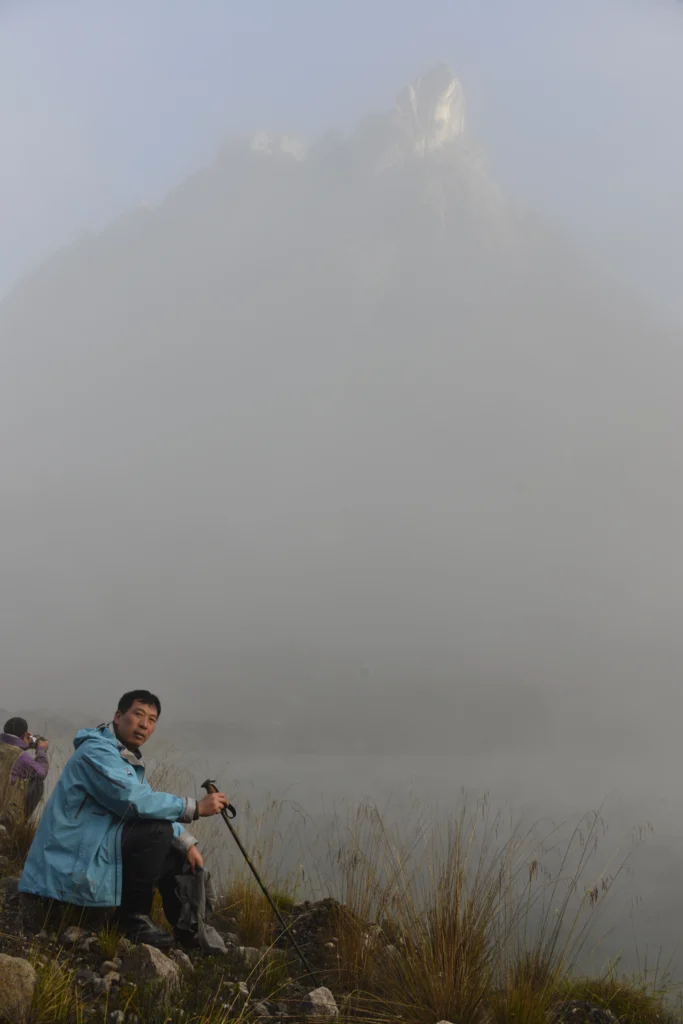
Cold weather is one of the biggest challenges faced by climbers in the mountains. Feeling cold during a climb is not just uncomfortable, it can also be dangerous. When the body is exposed to extreme cold for too long, metabolism slows down, organ function decreases, and the risk of hypothermia Increases. This condition is one of the most serious threats in mountain environments.
To reduce the risk and stay safe, there are several basic but important steps every climber should follow.
Keep Your Body Dry
The first and most important rule is to keep your clothing dry. Wet clothes absorb heat from the body much faster, especially in cold and windy conditions. If your clothes get wet from rain, sweat, or fog, change into dry clothing as soon as possible. Wearing waterproof or water-resistant outer layers is highly recommended to protect your body from moisture and heat loss.
Allow Your Body to Adapt
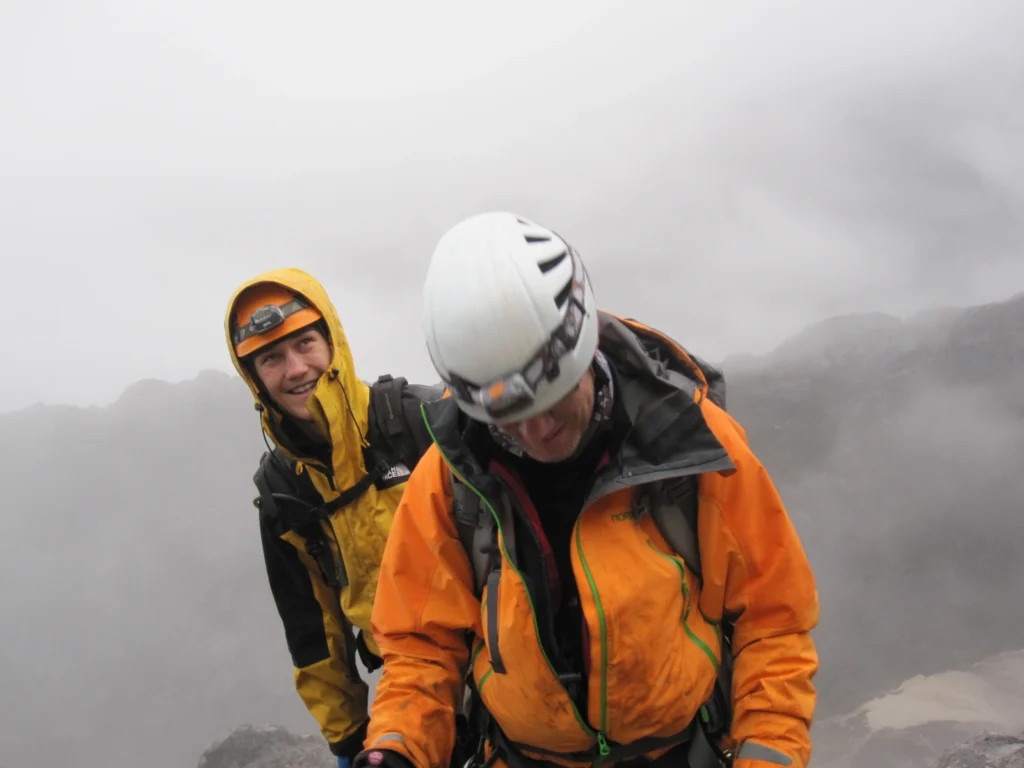
Mountain temperatures can change quickly, especially as altitude increases. This is why acclimatization is important, not only for altitude but also for temperature changes. Give your body time to adjust to the environment.
Before starting your hike, do some light stretching to warm up your muscles. Regulate your breathing and allow your body to gradually adapt to the cold air. Avoid sudden exposure without preparation, especially after resting or stopping for a long time.
Eat and Drink Properly
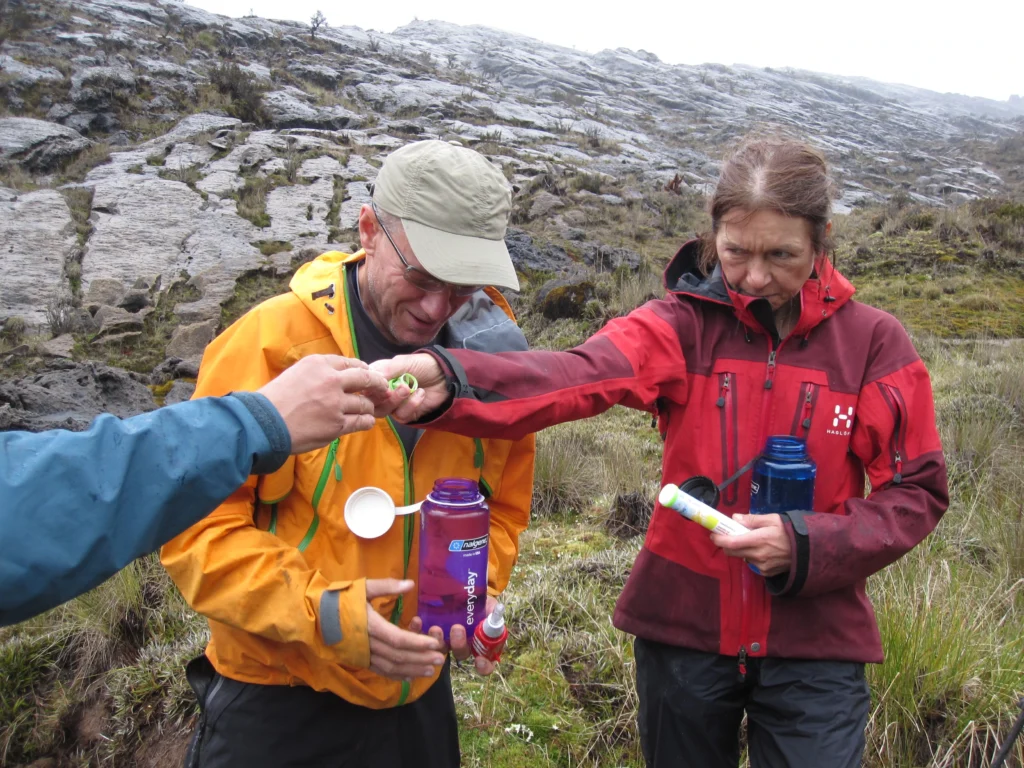
Never delay meals in cold conditions. Food provides energy that helps your body generate heat. Skipping meals can make you feel colder and weaker. Warm food is always a good option in the mountains.
Drinking warm beverages is also strongly recommended. Warm water helps improve blood circulation and supports the nervous system. It is better to start with warm plain water before consuming tea or coffee. Staying hydrated is just as important as staying warm.
Avoid Staying Idle for Too Long
Standing or sitting still for too long increases heat loss. If you feel tired, it is better to rest properly rather than remaining idle without protection. Use insulating layers, sit on a mat, and protect yourself from the wind. Proper rest helps the body recover without exposing it unnecessarily to cold temperatures.
Cold weather is a natural part of mountain environments. Understanding how to manage it is a basic skill every climber must have. Proper preparation, awareness, and discipline can significantly reduce risks and help ensure a safer and more comfortable climb.
PMA encourages all climbers to prioritize safety, understand mountain conditions, and respect the environment in every expedition.
