

Flora and Fauna of the Carstensz Region
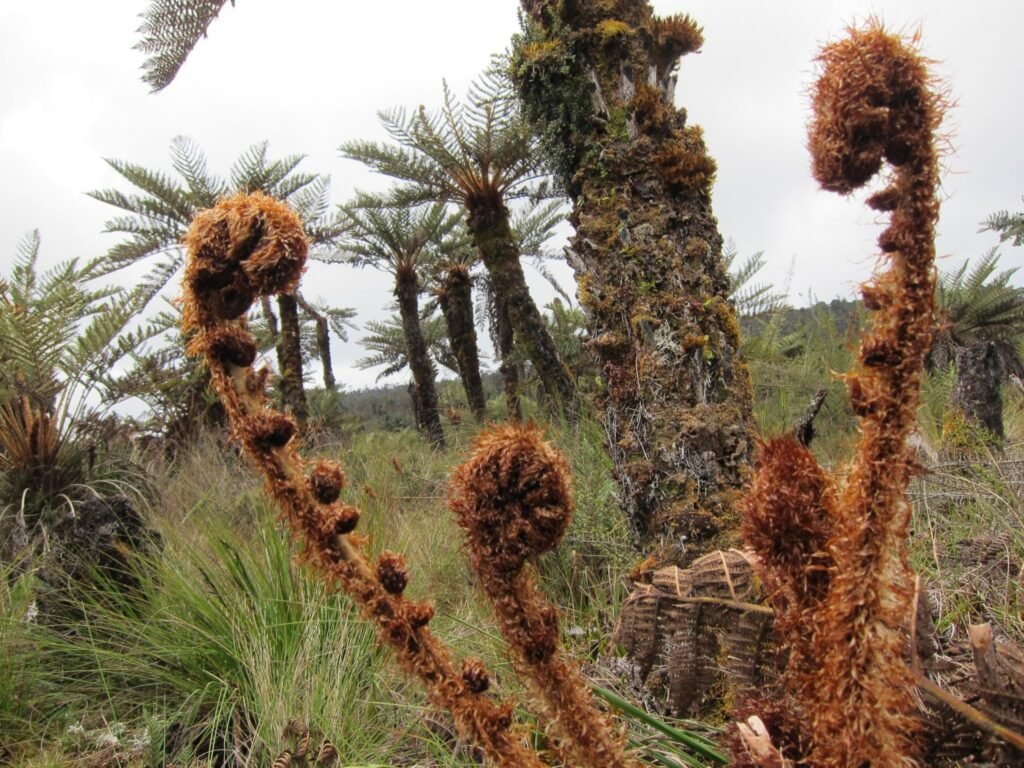
The environment surrounding Carstensz Pyramid is one of the most biologically unusual landscapes on Earth. Rising abruptly from lowland tropical rainforest to alpine limestone ridges, the Carstensz region compresses ecosystems that are normally separated by thousands of kilometers into a single vertical corridor. This dramatic elevation gradient shapes a mosaic of flora and fauna that exists nowhere else in the world.
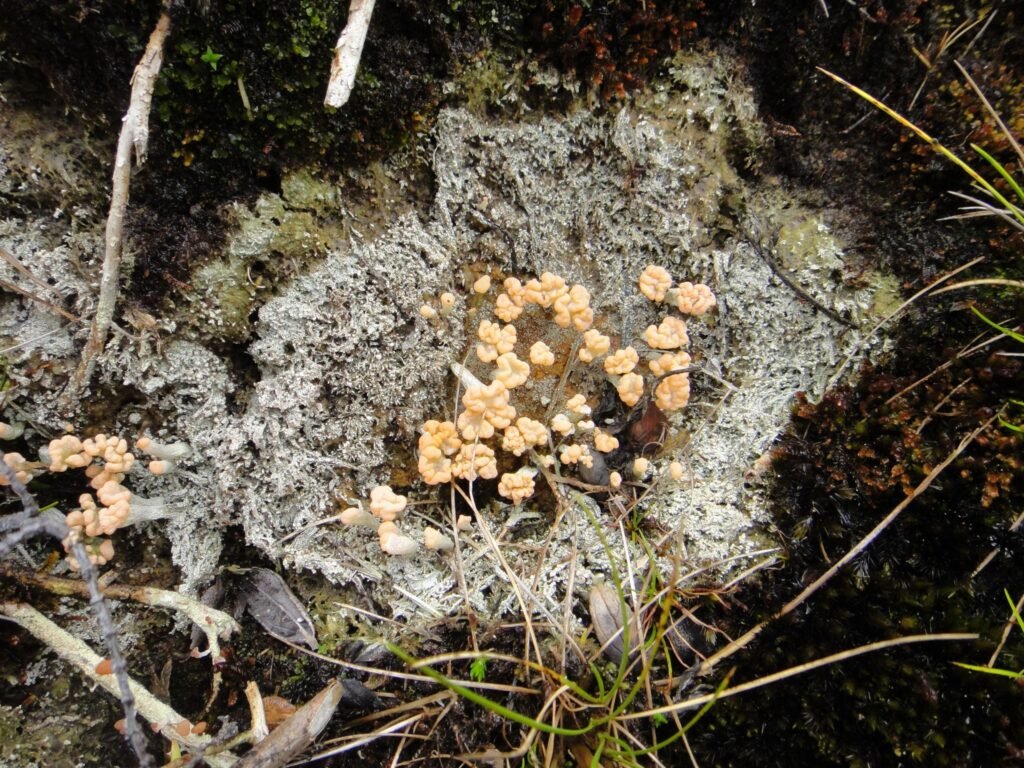
At lower altitudes, dense equatorial rainforests dominate the landscape. Towering hardwoods, moss-covered trunks, and a thick understory of ferns and orchids create a humid ecosystem rich in insects, amphibians, and birds. As elevation increases, vegetation transitions into montane forests and subalpine shrublands, where plants adapt to colder temperatures, thin soils, and strong winds. Near the upper slopes, plant life becomes sparse, consisting mainly of alpine grasses, lichens, and hardy mosses clinging to exposed limestone.
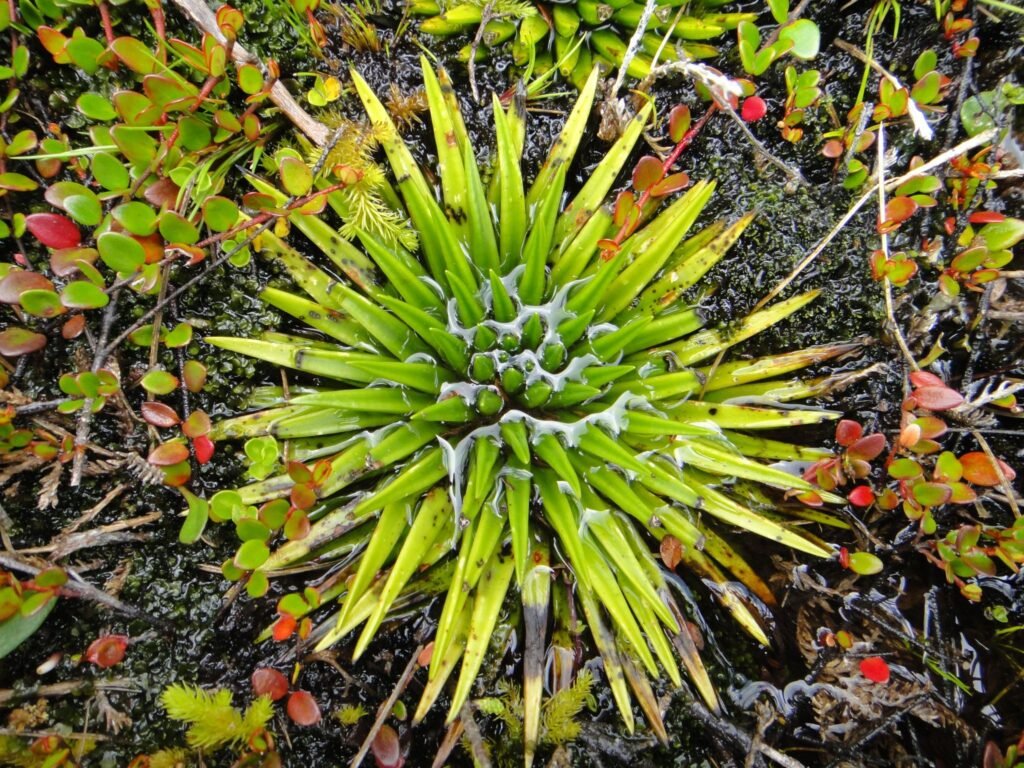
Faunal diversity mirrors this ecological layering. Papua is famous for its Birds of Paradise, whose elaborate plumage and courtship displays thrive in forested zones below the high mountains. Tree kangaroos, adapted to arboreal life, inhabit mid-elevation forests, while small mammals, reptiles, and endemic bird species occupy specialized niches along the slopes. The isolation of the Carstensz massif has encouraged endemism, making conservation critical as climate change and human activity slowly reach higher elevations.
