Carstensz Pyramid: The Many Names and Stories of Papua's Sudirman Range
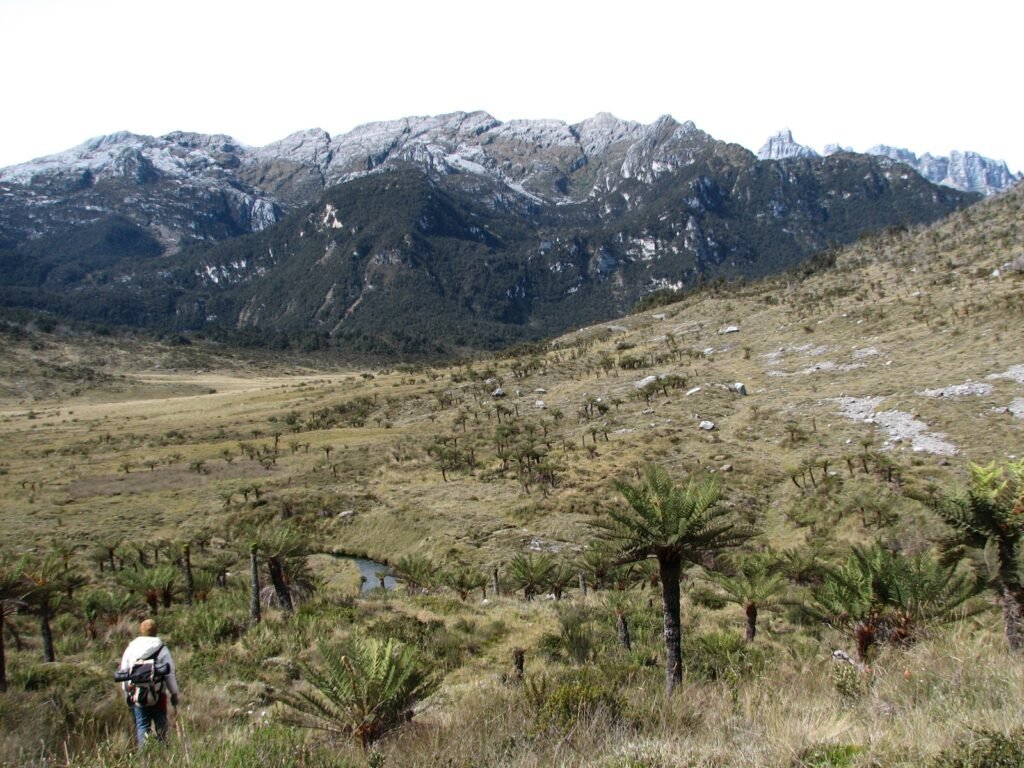
The Sudirman Range, once known as the Jaya Wijaya Mountains, rises majestically above the forests of Papua. This mountain chain is home to Indonesia's highest peaks and some of the most unique alpine landscapes in the tropics. At the heart of the range stands Carstensz Pyramid, internationally famed as one of the Seven Summits.
Although Carstensz is the best-known peak, the range includes other important mountains such as Puncak Jaya, Puncak Sumantri, Ngga Pulu, and Carstensz East. Together, these peaks create one of the world's most remarkable high-altitude environments. The presence of permanent snow in this tropical region has fascinated explorers, scientists, and climbers for centuries.
Carstensz Pyramid has accumulated many names over time. The international name comes from Jan Carstenszoon, a Dutch navigator who reported the existence of equatorial snow in 1623. Yet long before this record, Indigenous peoples had their own sacred names for the mountain. Each name reflects a distinct worldview: Nemangkawi for the Amungme, Mpaigela for the Moni, and Ndugu-Ndugu for the Dani.
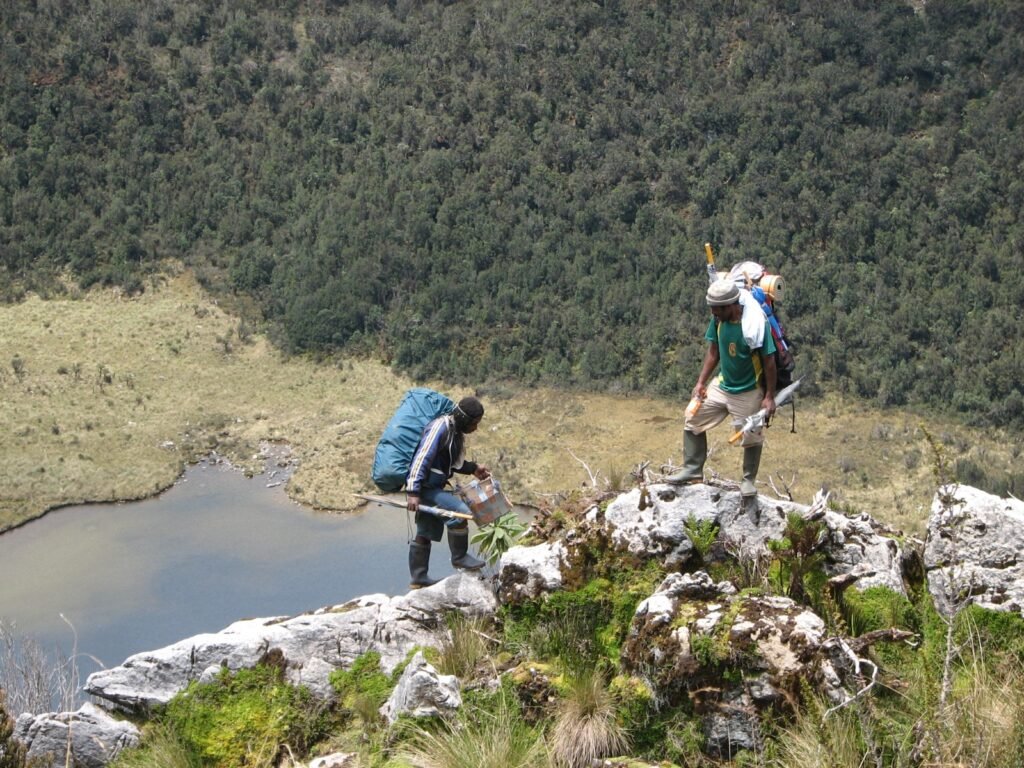
These names represent more than linguistic variations. They capture the cultural and spiritual understanding of each tribe, formed through centuries of living in harmony with the land. The mountain, therefore, is not just a geographical point but a shared symbol of Papua's cultural richness.
Today, Carstensz Pyramid stands as both an international climbing destination and a representation of Indonesia's natural diversity. The many names of the mountain tell one unifying story about history, spirituality, and the deep relationship between Indigenous communities and their environment.
