Papua Mountaineering Association (PMA)
Papua Mountaineering Association (PMA) is a professional, independent, and non-profit organization that serves as a forum for coordinating, fostering, and strengthening the governance of mountaineering activities and outdoor expeditions in the Land of Papua, especially in high conservation value mountain areas such as Lorentz National Park.
PMA is present to support the implementation of safe, orderly, responsible, and sustainable mountaineering, in line with government policies and regulations, including the Standard Operating Procedure (SOP) for Climbing in Lorentz National Park as stipulated through the Decree of the Head of the Lorentz National Park Office Number SK.33/T.27/TU/KSA.04.01/09/2025.
In its implementation, PMA is committed to the principles of Zero Accident and Zero Waste, by prioritizing climbing safety standards, risk management, ecosystem protection, and respect for the socio-cultural values and rights of indigenous Papuans. PMA encourages the implementation of climbing practices that are in accordance with SNI Mountain Climbing Management, the principles of conservation of nature conservation areas, and the ethics of sustainable nature tourism.
As a strategic partner, PMA works closely with Lorentz National Park, local governments, trekking operators (Trekking Organizers), mountain guides, as well as local communities, in order to improve human resource capacity, professionalism of climbing services, and compliance with applicable laws and regulations.
Through the role of guidance, standardization, and advocacy, PMA seeks to ensure that climbing activities in Papua not only provide tourism and economic benefits, but also maintain human safety, the preservation of mountain ecosystems, and the sustainability of conservation areas for future generations.
WE BUILD THE WORLD BY TAKING CARE OF OUR OWN ENVIRONMENT
Vision
To become a professional and trusted mountaineering organization in the management and development of safe and sustainable climbing activities in Papua, with international standards, implementing measurable safety and risk management practices, respecting local wisdom, and committed to the preservation of mountain ecosystems and the socio-economic strengthening of local communities.
Mission
Climbing Governance & Regulation
Safety & Preparedness
Develop a climbing risk management system (risk assessment, rescue protocol).
Set up mandatory training for operators/guides: mountain navigation, SAR, survival, first aid, and expedition management.
Establish effective communication networks and evacuation routes in the mountainous region of Papua.
Environmental & Local Culture Preservation
Establish low-impact mountaineering standards and a zero waste policy for each operator.
Collaborate with indigenous communities in the protection of sacred and conservation areas.
Encourage climbing practices that respect the customs, culture and rights of local communities.
Papua Mountain Tourism Development
Facilitate the development of world-class climbing destinations, including Carstensz Pyramid, Lorentz, and other mountain regions.
Improve the quality of climbing human resources: local guides, porters, operators, and support personnel.
Establish strategic collaborations with governments, international organizations and the global climbing community.
To represent Papua and Indonesia in the field of special interest tourism, both nationally and internationally, with a primary focus on mountaineering.
To represent Papua and Indonesia in the field of special interest tourism, both nationally and internationally, with a primary focus on mountaineering.
Local Community Empowerment
Provide a significant portion for local communities in the climbing ecosystem (guides, porters, homestays, logistics).
Organizing training and professional certification programs for mountain communities.
Develop a local economic model based on sustainable adventure tourism.
To engage local tribes living near the mountains in building the special interest tourism ecosystem according to the identified needs. This includes, but is not limited to, the development of Standard Operating Procedures (SOPs) for mountaineering, provision of local guides, and mountaineering support equipment.
Documentation, Research, and Education
Develop a Papua climbing data center: routes, climber statistics, weather, risks, and conservation.
Encourage research on the safety, geology, culture and environment of the Papuan mountains.
Provide educational programs and public campaigns on mountain safety and conservation.
STRATEGIC APPROACH
The Papua Mountaineering Association (PMA) aims to make Jayawijaya Peak and other mountains in Papua internationally recognized
special interest tourism destinations.
The Papua Mountaineering Association (PMA) aims to make Jayawijaya Peak and other mountains in Papua internationally recognized special interest tourism destinations.
CARTENSZ AS ONE OF THE SEVEN SUMMITS
The Seven Summits represent the highest peaks on each of the world's continents-Asia, Europe, the Americas, Africa, and Antarctica. Asia is represented by two peaks: the Carstensz Pyramid and Mount Everest, the highest mountain in the world. The idea of the Seven Summits was first introduced by Dick Bass, an American mountaineer. In his original list, however, he did not include Carstensz Pyramid; instead, he listed Mount Kosciuszko as the representative peak for Australia.
Seven Summits Dick Bass began his Seven Summits journey by climbing Aconcagua in 1983 and completed it by reaching the summit of Mount Everest in 1985. However, not all mountaineers agreed with his version of the list. One of them was Reinhold Messner, a legendary climber from Austria, who proposed replacing Mount Kosciuszko with Carstensz Pyramid. This view was further supported by Canadian mountaineer Patrick Allan Morrow. Both of them had completed the Seven Summits as outlined by Dick Bass, but with Carstensz Pyramid included as the representative peak for Oceania.
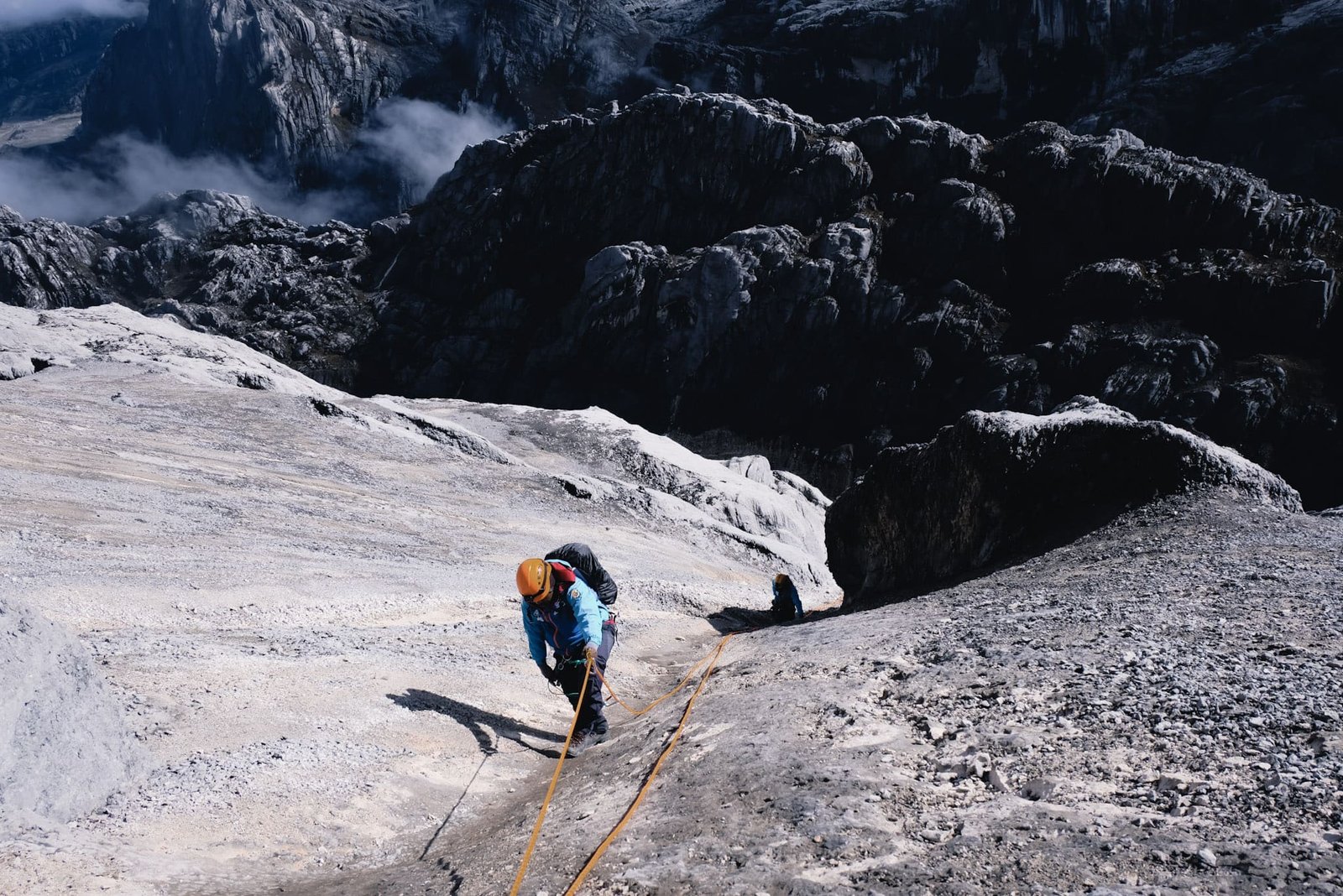
Eventually, two versions of the Seven Summits emerged: the Bass version and the Messner version. Over time, Reinhold Messner's version became more widely accepted among climbers-likely because the terrain of Carstensz Pyramid is far more challenging and technical compared to that of Mount Kosciuszko.
Carstensz Pyramid stands as the highest point in the Sudirman Range, located within Lorentz National Park, Papua Province. Not only is it the highest peak in Indonesia (and arguably the hardest to pronounce), Carstensz Pyramid-composed primarily of limestone-is also recognized as the highest peak in Australasia and one of the renowned Seven Summits of the world. There are two commonly used routes to reach the summit: via Ilaga (Puncak Regency) and Sugapa (Intan Jaya Regency).
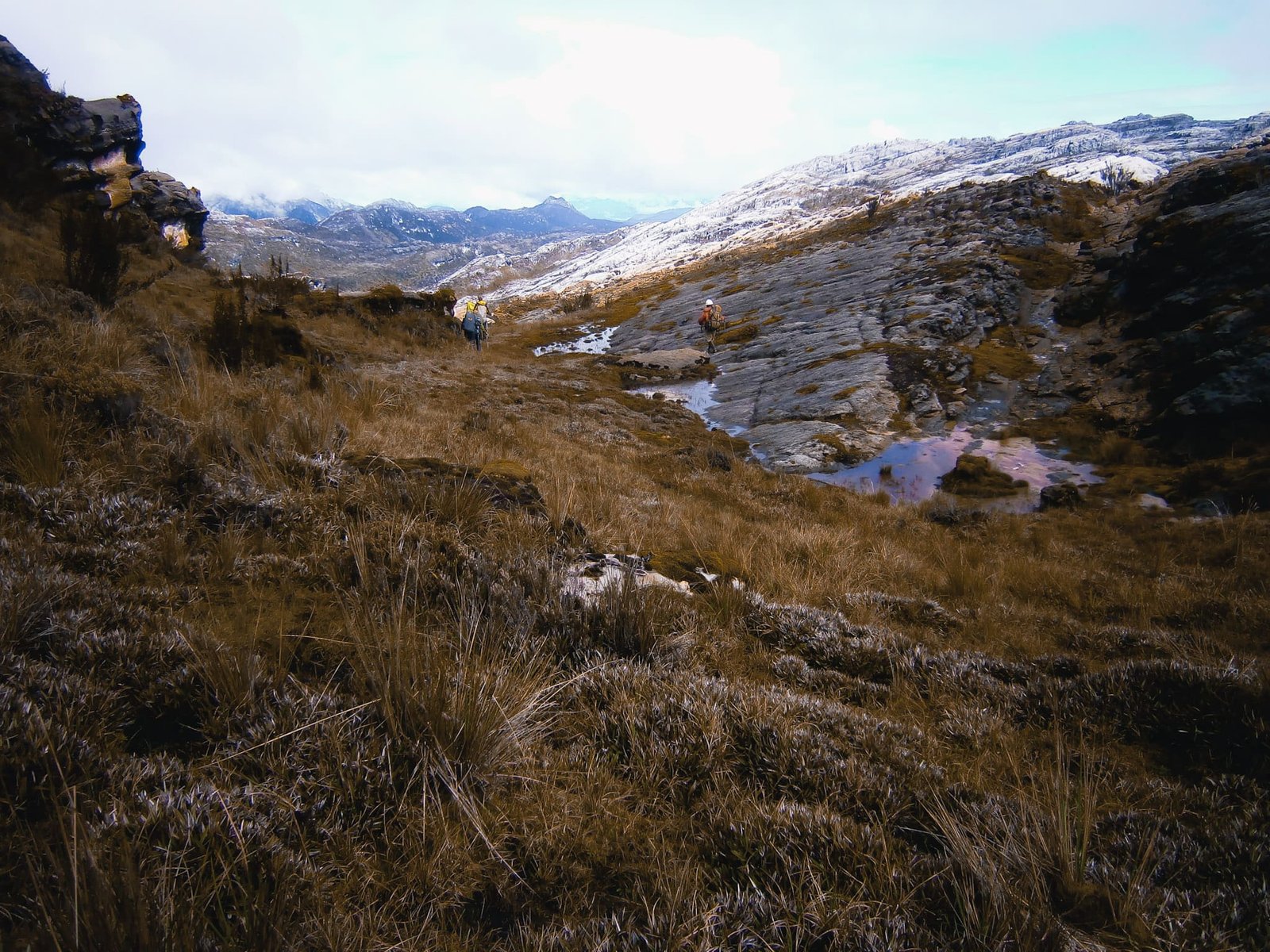
However, before attempting to climb Carstensz, it's essential to be well-equipped with proper mountaineering and rope skills, as these are absolutely required for the technical terrain. For climbers aiming to complete all Seven Summits, several international tour operators offer comprehensive packages.
One of the pioneers is the American Alpine Institute (AAI), which has been organizing Seven Summits expeditions since 1975. According to its official website, the climbing costs for each summit are as follows: Mount Kilimanjaro - US$3,460 (approx. Rp 39 million) Mount Elbrus - US$4,950 (approx. Rp 56 million) Aconcagua - US$4,300 (approx. Rp 48 million) Denali - US$6,800 (approx. IDR 77 million) Mount Vinson - US$39,500 (approx. IDR 447 million) Carstensz Pyramid - US$18,500 (approx. IDR 209 million) Mount Everest - US$65,000 (approx. IDR 736 million)
That is why the Papua Mountaineering Association (PMA) was established-to take part in managing this highly promising tourism and economic potential. The goal is for it to be led by the nation's own people, especially Papuans and their indigenous communities, so they too can benefit and prosper from these opportunities.
