Central Papua, Ugimba, —Along the long and demanding journey to the summit of Carstensz Pyramid, local camps on the Ugimba route are more than just places to spend the night. Nestled amidst the montane forests and mist-filled valleys of the Carstensz range, these camps serve as spaces for rest, recovery, and vital interaction between climbers and local guides who have safeguarded the trail for generations.

The local camps are generally located in strategic spots-near natural water sources, sheltered from strong winds, and safe from rockfalls. Built simply with natural materials such as wood, tarpaulins, and field tents, the camps reflect the local philosophy of life: sufficient, functional, and in harmony with nature.
Each afternoon, after navigating steep and slippery terrain, climbers arrive at camp exhausted, their clothes soaked by mountain rain. Here, a campfire is lit. Ugimba local guides begin organizing supplies, drying equipment, and checking the physical condition of every team member. The crackling fire blends with travel stories and soft laughter, warming the cold mountain night.
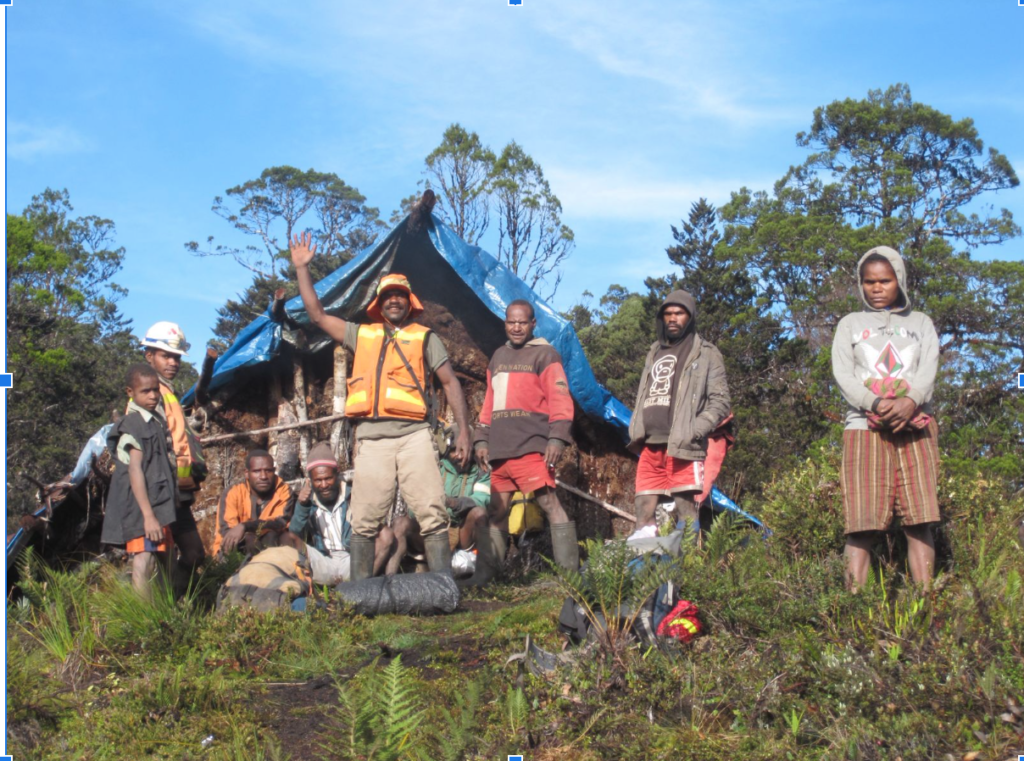
“This camp is extremely important. Choosing the wrong place to stay overnight can significantly increase the risk of hypothermia and exhaustion,” said an experienced local guide. Knowledge of camp placement is passed down through generations, enriched by firsthand experience with Carstensz's notoriously unpredictable and extreme weather.
Beyond being a resting place, the local camps also function as learning spaces. Climbers often observe how guides read natural signs-the direction of the wind, the movement of fog, even the sounds of nocturnal wildlife-to plan the next day's journey. Decisions to continue, wait, or alter the route are frequently made at camp, making it a critical point for expedition safety.
For the Ugimba community, these camps are part of an indigenous mountaineering system that existed long before Carstensz gained global recognition. Today, as interest in climbing increases, the local camps also help support the community's economy without sacrificing environmental sustainability.
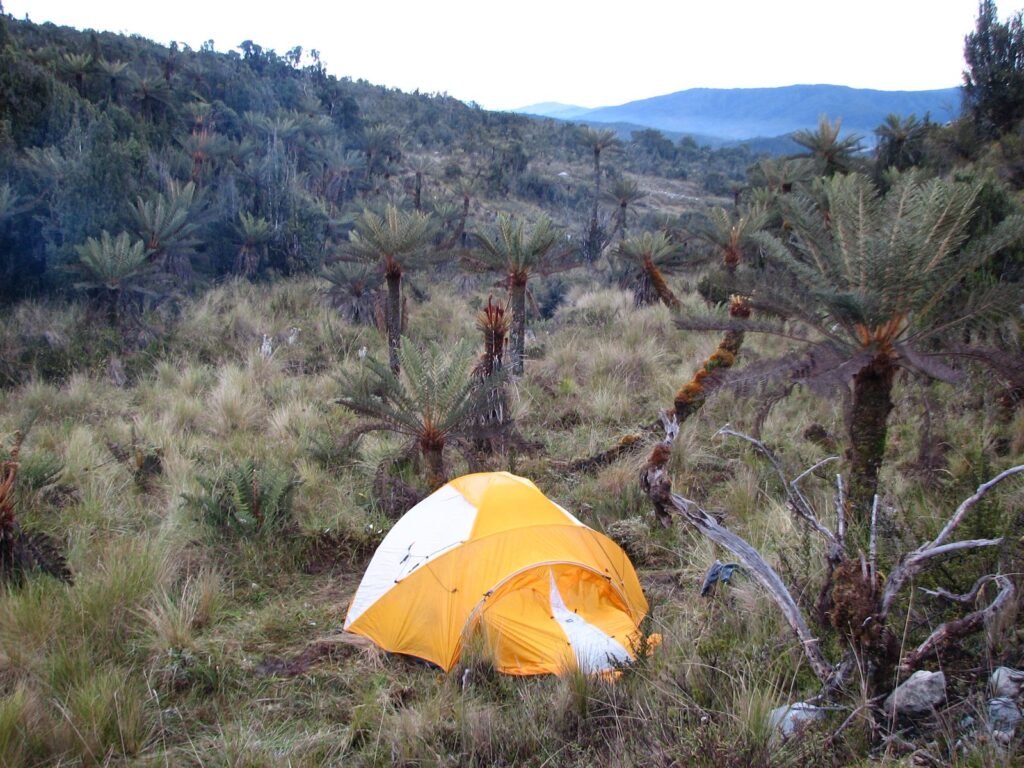
As night deepens and temperatures drop sharply, climbers retreat to their tents, accompanied by the sounds of nature and slowly descending mist. Behind their simplicity, the local camps along the Ugimba-Carstensz route stand as silent witnesses to humanity's struggle against nature's limits-and as symbols of collaboration between visitors and the mountain's long-time guardians.On this route, the summit may be the final goal. But the local camps are the heartbeat of the journey-where strength is restored, decisions are made, and climbing stories begin.. (PMA)
