Central Papua, Timika - Every climber aiming to reach the summit of Carstensz Pyramid, whether approaching via overland routes or by helicopter, is required to spend at least one night at base camp before attempting the summit. This stage is a crucial part of the safety standards for ascending Indonesia's highest mountain.
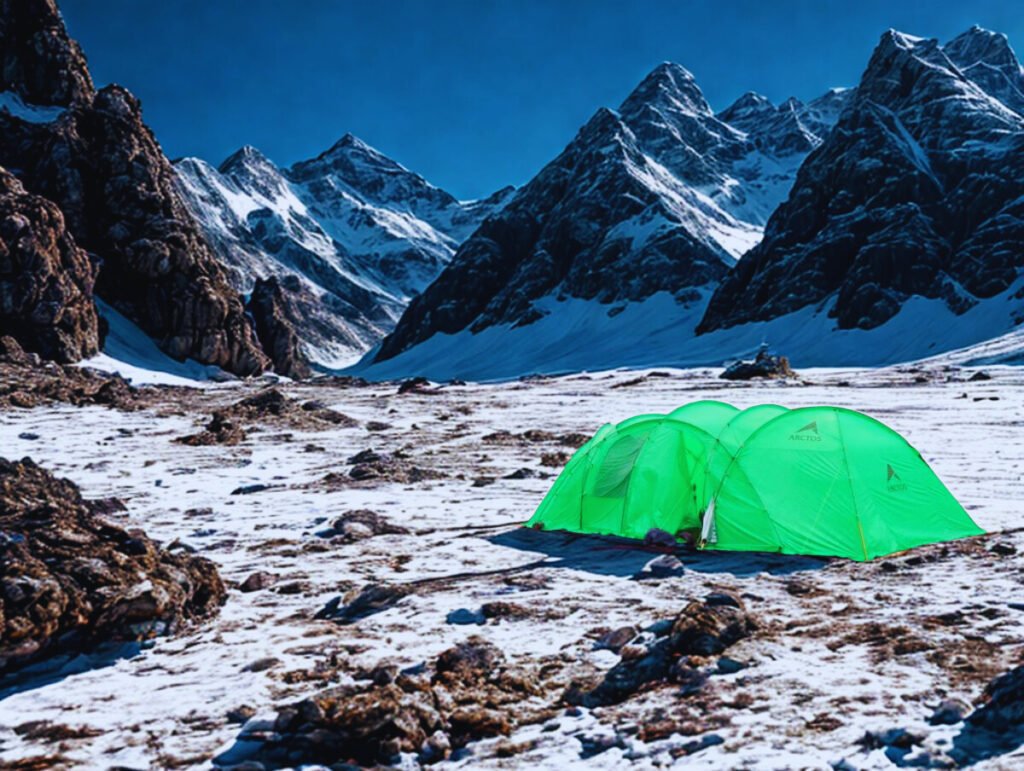
Carstensz Pyramid, standing at 4,884 meters above sea level, is known for its highly technical terrain and extreme weather conditions. Sudden temperature drops, strong winds, heavy rain, and dense fog can occur at any time. For this reason, the base camp serves as an essential point for physical and mental adaptation before climbers face the route to the summit.
Climbers traveling by land typically undertake a long journey from lowland areas into the high mountains. This expedition can take several days and demands significant physical endurance. Meanwhile, climbers using helicopters from Timika may reach the base camp in a much shorter time. Despite the different approaches, both groups are subject to the same procedure: resting overnight at base camp.
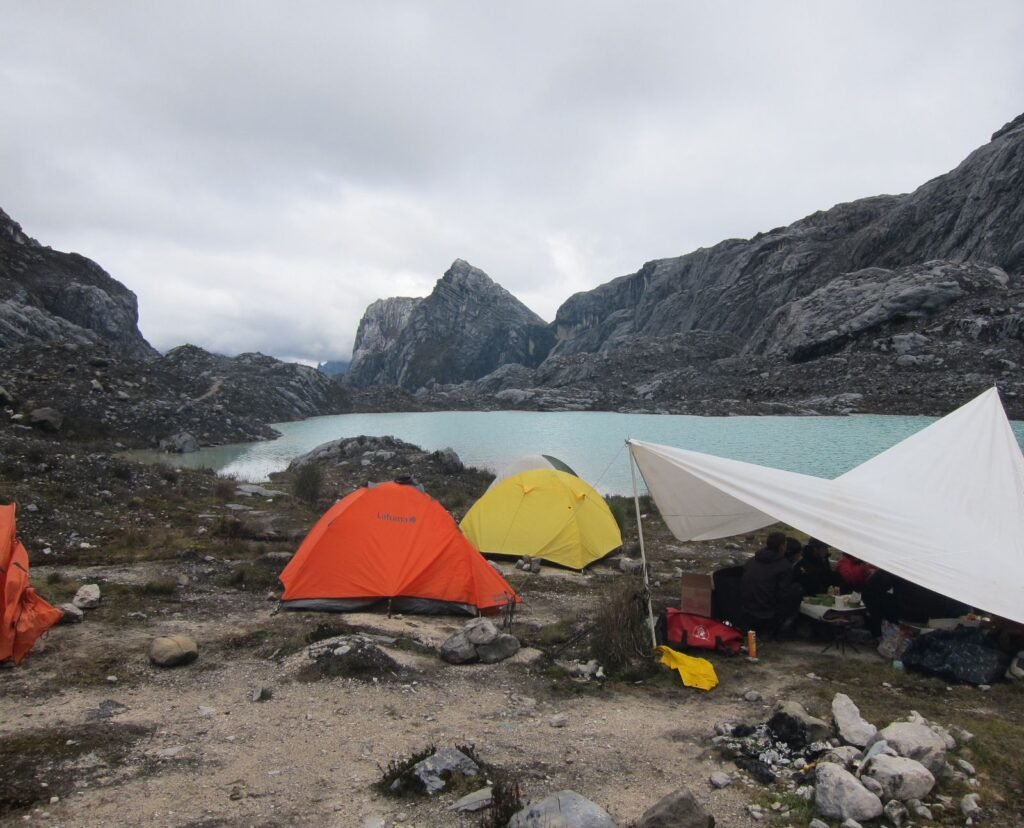
“Staying overnight at base camp is not merely a formality, but a safety necessity,” said one local Carstensz guide. According to him, the human body needs sufficient time to adjust to altitude before attempting the technical ascent to the summit.
At base camp, climbers carry out a range of essential preparations, including mountaineering equipment checks, logistical distribution, and safety simulations. Acclimatization processes are also conducted to reduce the risk of Acute Mountain Sickness (AMS), which is commonly experienced at extreme altitudes.

The summit push is usually carried out in the early hours of the following morning. The route demands high technical skills, involving fixed ropes, steep rock faces, and slippery terrain. In unfavorable weather conditions, the ascent may be postponed to ensure the safety of the team.
The requirement to stay overnight at base camp applies to all climbers without exception. Both professional climbers and beginners accompanied by guides must comply with this procedure. This measure forms part of broader efforts to ensure safety while also preserving the Carstensz mountain environment.
With thorough preparation and strict adherence to safety standards, climbing Carstensz-whether via land or air-remains a valuable and memorable experience. Base camp is not merely a resting place, but a decisive starting point for success in reaching Indonesia's highest summit.(PMA)
