Central Papua, Timika - The Carstensz Pyramid guide training program entered its third day with a focus on independent technical practice of ascending and descending. After receiving theoretical instruction and equipment familiarization during the first two days, participants were finally deployed to the field to practice rope techniques that form the core skills of a Carstensz guide.
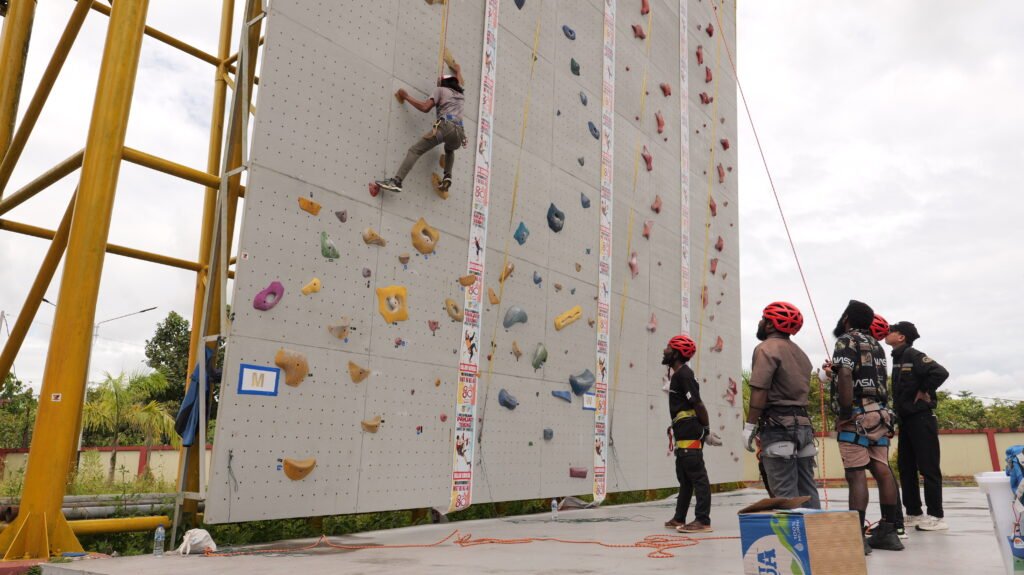
The training was held at a specially prepared practice cliff in the Tsinga area. Instructors opened the session by reviewing safety procedures, including proper harness fitting, knot checking, carabiner use, and communication protocols while moving on vertical terrain. Each participant was required to conduct a partner check before beginning the exercises.
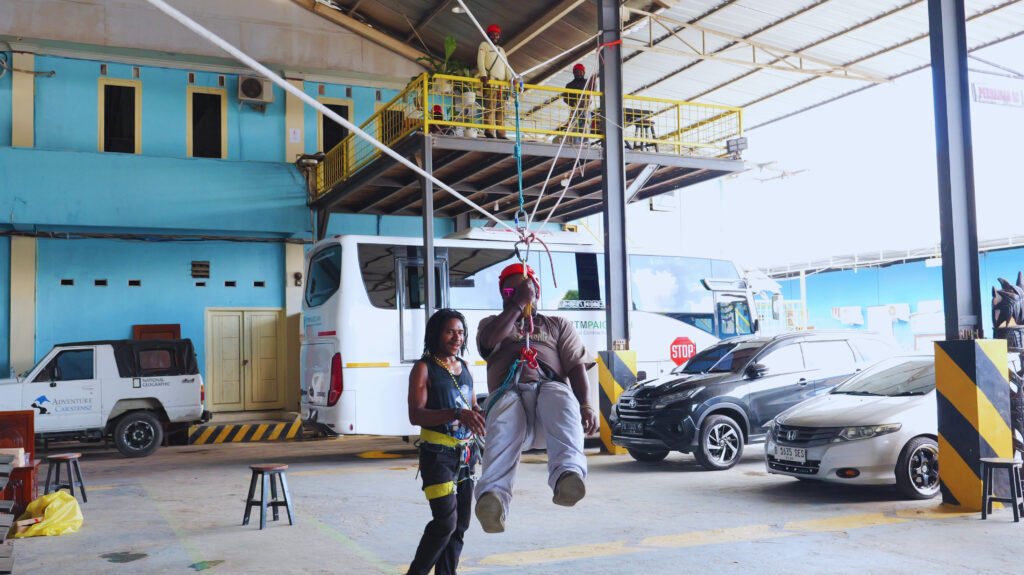
During the main session, participants were tested on ascending techniques-climbing upward using assistive devices such as ascenders-along routes simulated to resemble the vertical terrain of Carstensz. This exercise challenged participants’ physical strength, coordination, and understanding of equipment use. Instructors closely monitored each movement, ensuring correct device placement, climbing rhythm, and strict adherence to safety procedures.
Participants then moved on to descending practice, using belay devices or descenders to rappel down. Although it may appear easier, instructors emphasized that descending actually demands a higher level of focus, as the risk increases significantly if control is lost.
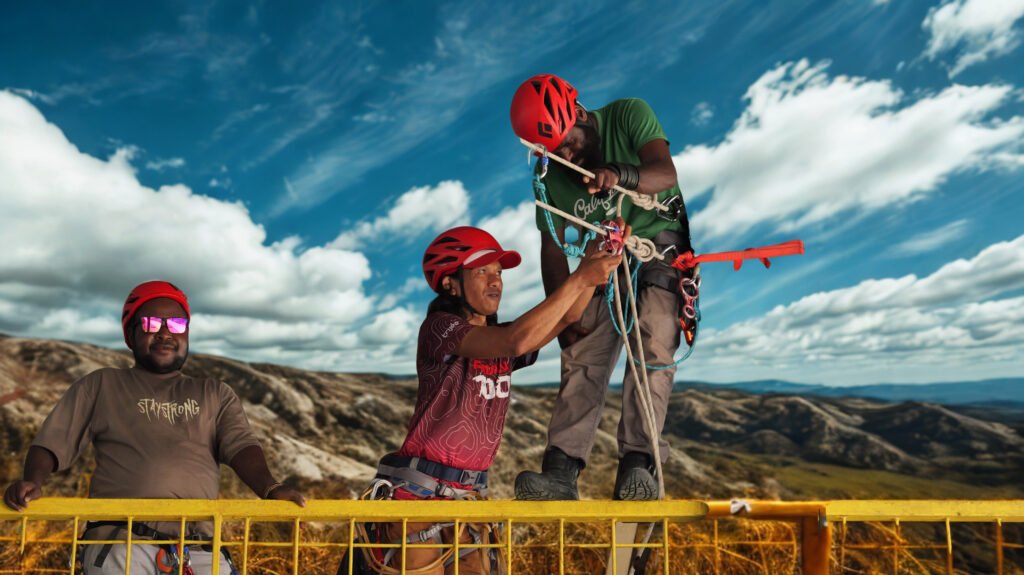
“Ascending and descending techniques are fundamental to Carstensz climbing, which is dominated by vertical rock faces. A guide must be able to perform both independently, efficiently, and safely, because they are responsible for the safety of the climbers they accompany,” said one of the field instructors.
Throughout the session, some participants were still adjusting their rhythm and overcoming tension at height, while others showed notable progress, successfully completing both ascending and descending smoothly after several attempts.
The third day of training marked an important milestone for participants from Tsinga. Beyond improving technical skills, the field practice broadened their understanding of the real challenges they will face as Carstensz guides.The training program will continue over the coming days with advanced materials such as navigation, risk management, and full climbing simulations. Organizers hope that participants will graduate with complete competencies and be fully prepared to work professionally, guiding climbers safely to the highest peak in Oceania. (PMA)
