Central Papua, Timika — Entering the second day of training for prospective Carstensz Pyramid guides via the Tsinga Route, participants continued with technical mountaineering lessons. After learning basic climbing skills and the functions of core equipment on the previous day, today's training shifted its focus to the use of supporting gear and the management of basic needs during an expedition.
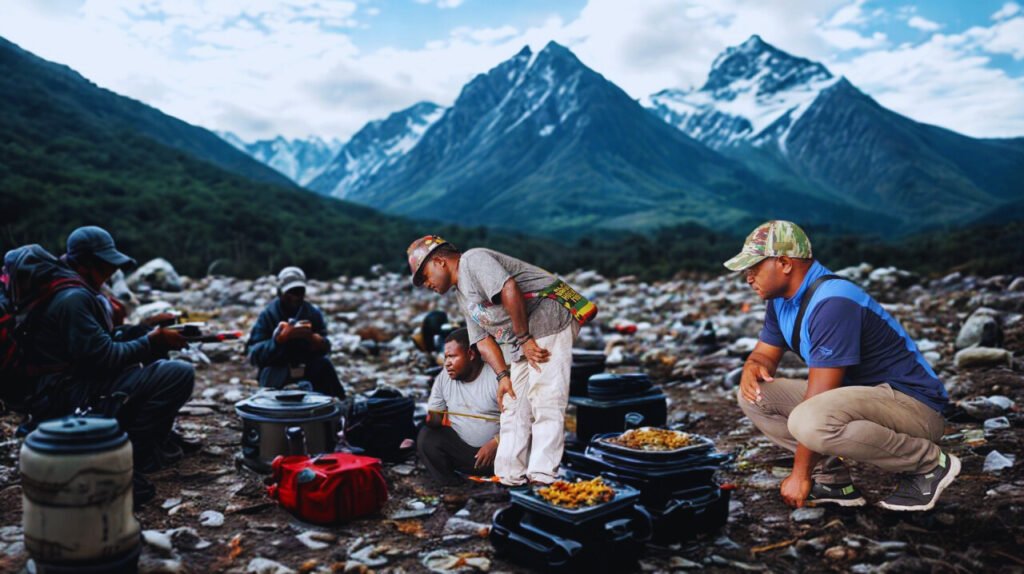
During the morning session, instructors introduced various types of mountaineering equipment commonly used in daily activities while on the mountain. The equipment included camp stoves, mess kits, portable gas canisters, as well as eating and drinking utensils that must be carried on every journey to Carstensz. Participants were taught how to properly operate camp stoves, maintain equipment to ensure safe use, and manage fuel supplies during multi-day expeditions.
One of the most engaging parts of the training was the outdoor cooking practice. The prospective guides learned how to prepare simple meals typically needed by climbers, ranging from boiling water and making hot coffee or tea to preparing practical menus such as instant noodles and other ready-to-eat foods. Although these tasks may seem simple, instructors emphasized that such skills are essential, especially when facing extreme weather conditions, which are a major challenge in Papua's mountainous regions.
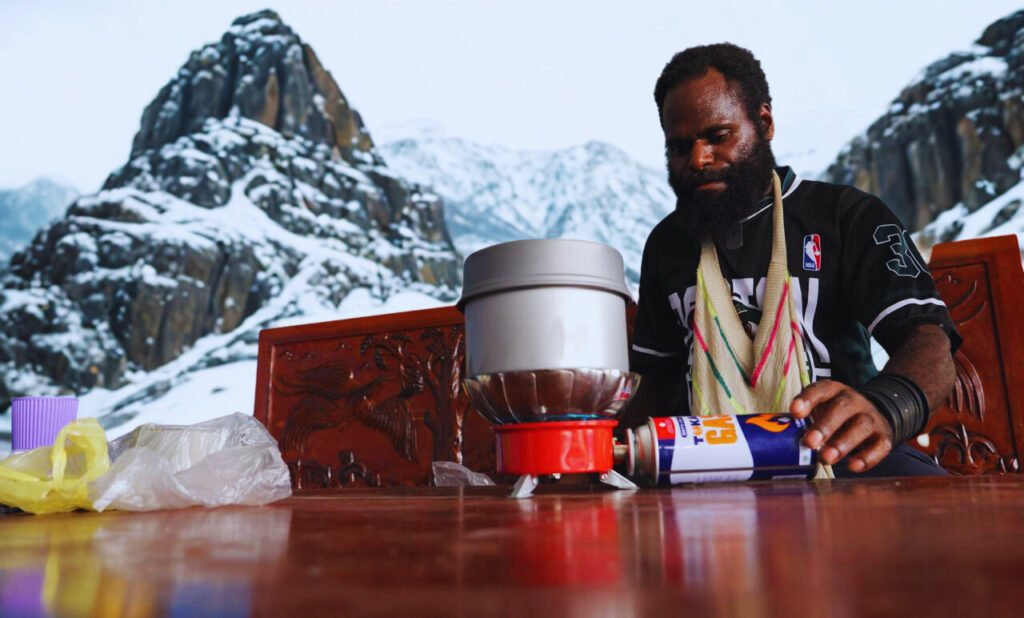
“Basic services such as preparing warm drinks can help maintain climbers’ physical and mental condition. A good guide must be able to manage food logistics while ensuring that the team's energy needs are met,” explained one of the instructors.
In addition to cooking, participants were also taught how to maintain campsite cleanliness, manage waste, and ensure that equipment remains dry and properly stored. These practices are an important part of safety and comfort standards at high altitude.
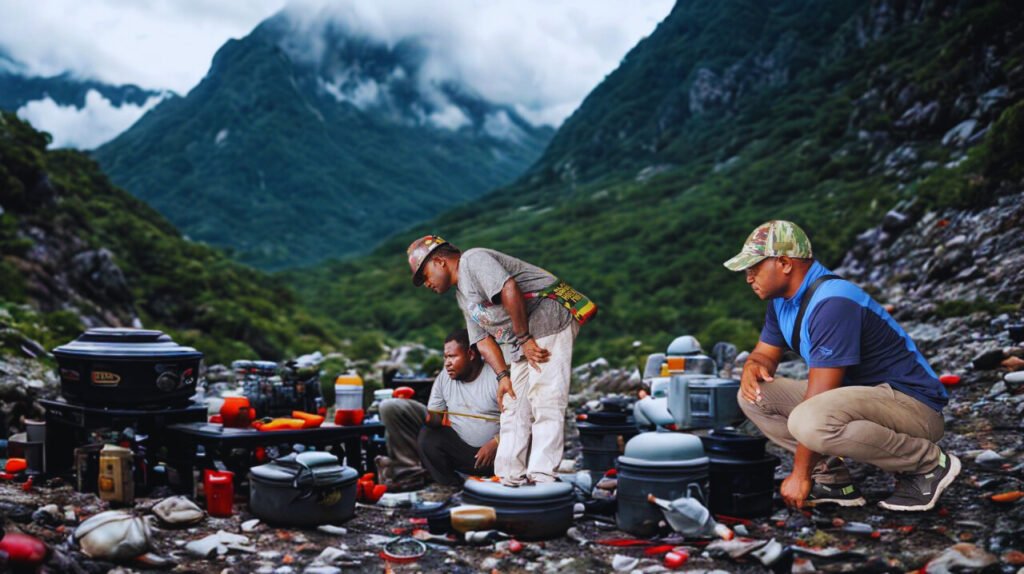
The second day of training concluded with a camp setup simulation, where participants learned how to efficiently organize a tent site, choose a safe location, and arrange the position of an emergency kitchen so it would not interfere with sleeping areas and other activities.The Carstensz guide training program will continue with increasingly technical material, including navigation, risk management, and climbing simulations. All participants from Tsinga are expected to master the basic skills required to become professional guides capable of accompanying climbers to one of the most challenging peaks in the world..(PMA)
