

The Resilience and Uniqueness of Carstensz Flora
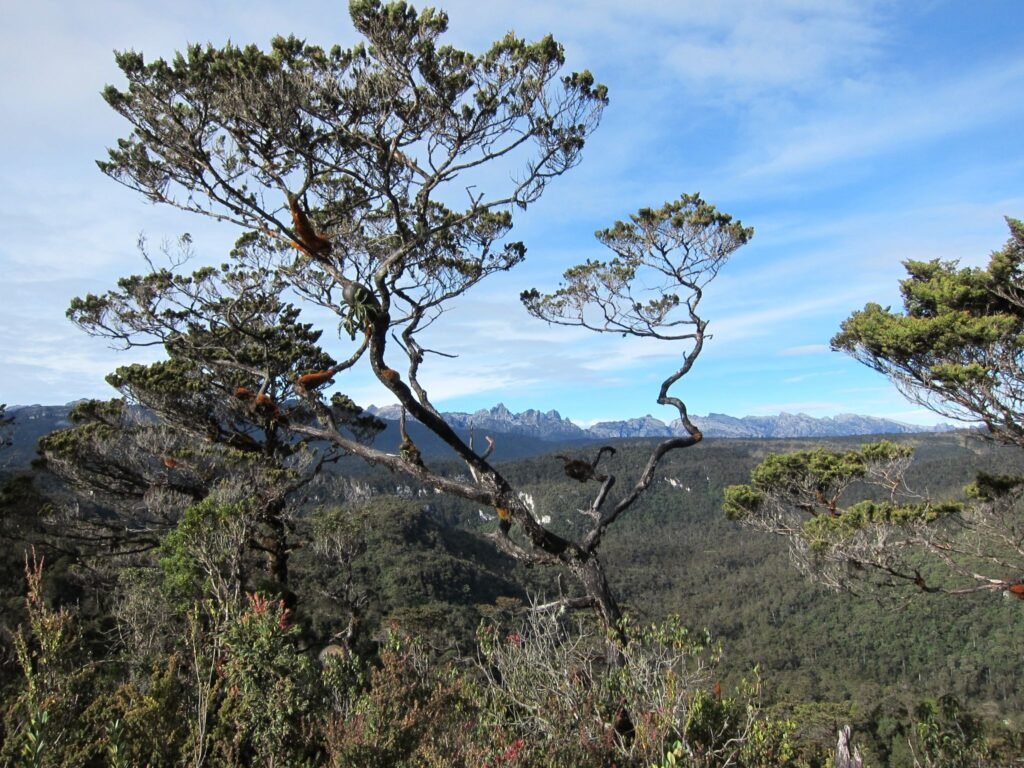
The Carstensz Mountains in Papua are one of the most unique areas of biodiversity in Indonesia. Located in the high tropical mountain range, Carstensz presents extreme environmental conditions, ranging from high rainfall and cold temperatures to rocky limestone soil. In these difficult conditions, various types of flora thrive with extraordinary forms, functions, and adaptations.
One of the most distinctive features of the Carstensz flora is the dominance of high mountain plants that can survive at altitudes above 3,000 meters. Mosses, lichens, and various types of small plants dominate the landscape near the peaks. Mosses and lichens play an important role as pioneers of life, as they are able to grow on bare rock surfaces and help in the process of soil formation. The presence of these plants also serves to maintain moisture and reduce erosion on steep slopes.
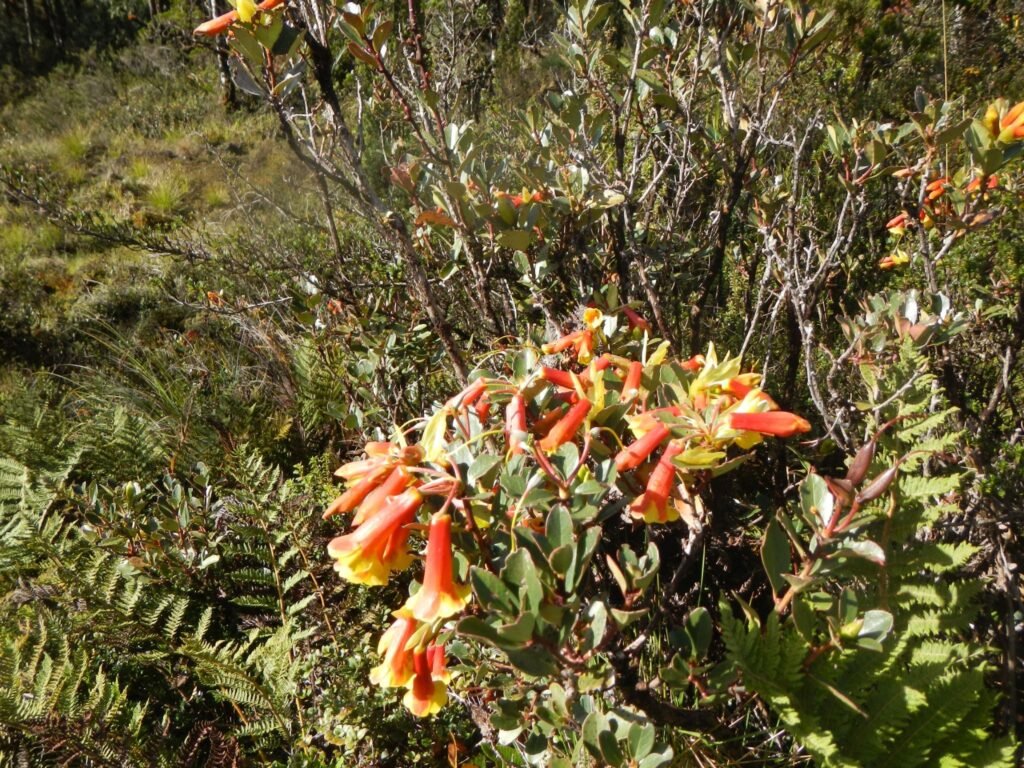
Further down, the Carstensz region features mountain forests inhabited by various types of plants endemic to Papua. One of the most prominent is the mountain rhododendron or vireya rhododendron, a bright flowering plant that grows naturally on misty slopes. This flower has special adaptations to attract pollinators in an environment with low temperatures and limited light intensity. Its beauty often provides a striking contrast to the rocky landscape and dark green vegetation.
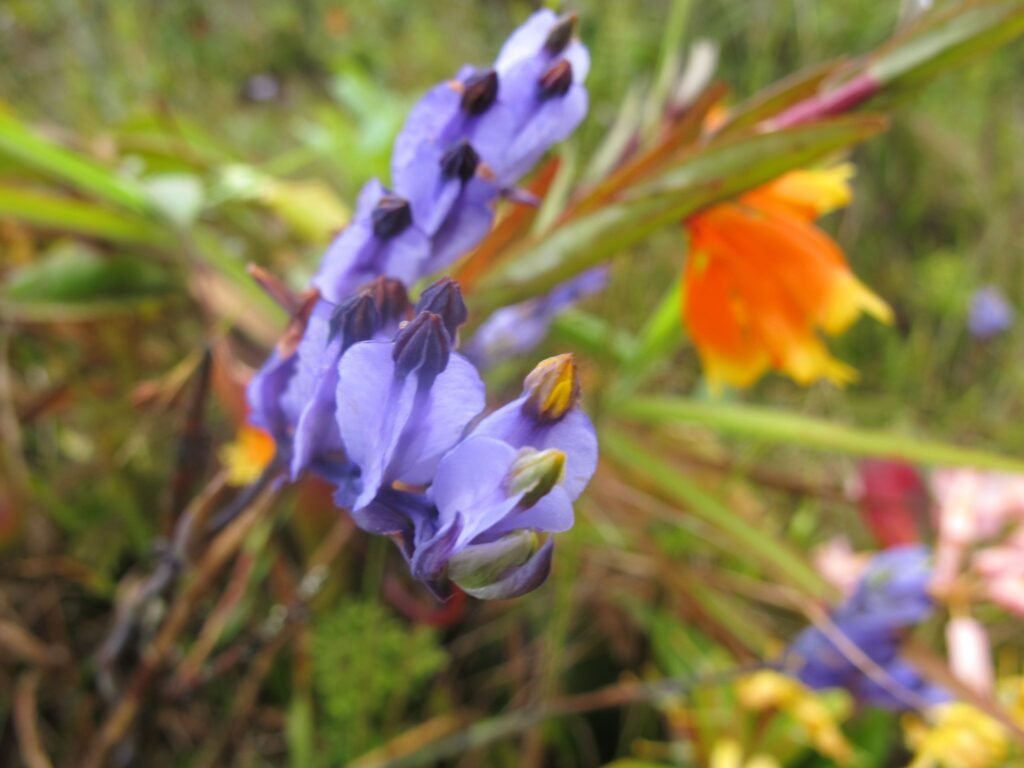
In addition, this area is also home to various types of wild orchids. Carstensz mountain orchids are generally small and grow attached to tree trunks or rock crevices. The shape and color of their flowers reflect their adaptation to the cold climate and strong winds. Many of them have not been fully documented, making Carstensz an important area for botanical research.
Other notable plants include ferns and mountain pandanus. Ferns act as natural ground cover, helping to maintain soil structure and water cycles, while pandanus, with its prop roots, is able to survive on sloping, damp ground. These two types of plants create micro-ecosystems that support insects and other small organisms.
The uniqueness of Carstensz's flora is also inseparable from the relationship between humans and nature. For the Amungme indigenous people, plants in the mountains are not merely ecological elements, but part of their way of life and spirituality. Some plants are traditionally used as medicine, ritual materials, or markers of customary territories, demonstrating local knowledge that has developed in harmony with the mountainous environment.
Amidst the threats of climate change and human activity, the flora of Carstensz faces enormous challenges. Glacier retreat, changing rainfall patterns, and rising temperatures have the potential to disrupt the balance of the mountain ecosystem. Therefore, conservation efforts and ongoing research are key to ensuring that the unique flora of the Carstensz region remains sustainable.
The Carstensz flora is proof that life can adapt even in the most extreme environments. Its existence not only enriches Papua's biodiversity but also provides important lessons about the resilience of nature and the importance of preserving high mountain ecosystems in Indonesia.
