Lorentz National Park: Southeast Asia's Largest and Most Complete Conservation Sanctuary
Lorentz National Park is one of Indonesia's most remarkable conservation areas, located in the vast lowlands and highlands of Papua. Recognized by UNESCO as a World Heritage Site in 1999, Lorentz National Park is the largest national park in Southeast Asia. Covering an area of approximately 2.3 million hectares, it is around 37 times larger than the city of Jakarta, making it one of the most significant protected areas in the region.
History and Origin of the Name
The name Lorentz was given in honor of a Dutch biologist who led several scientific expeditions in Papua. This naming symbolizes the scientific contributions made towards understanding the region's extraordinary biodiversity and natural history.
An Extraordinary Geographic Range
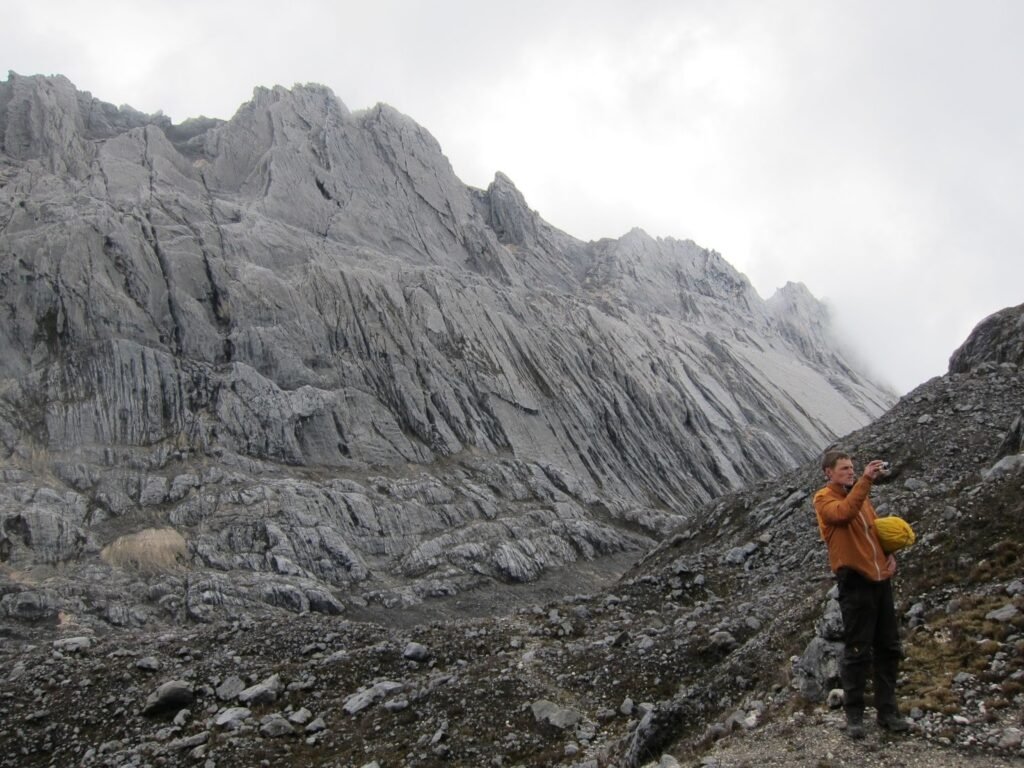
Lorentz National Park stretches over 150 kilometers, From the snow-capped peaks of the Carstensz Mountains in the north to the shores of the Arafura Sea in the south. This exceptional landscape makes Lorentz the only conservation area in the world that encompasses:
- Tropical snow-covered mountains
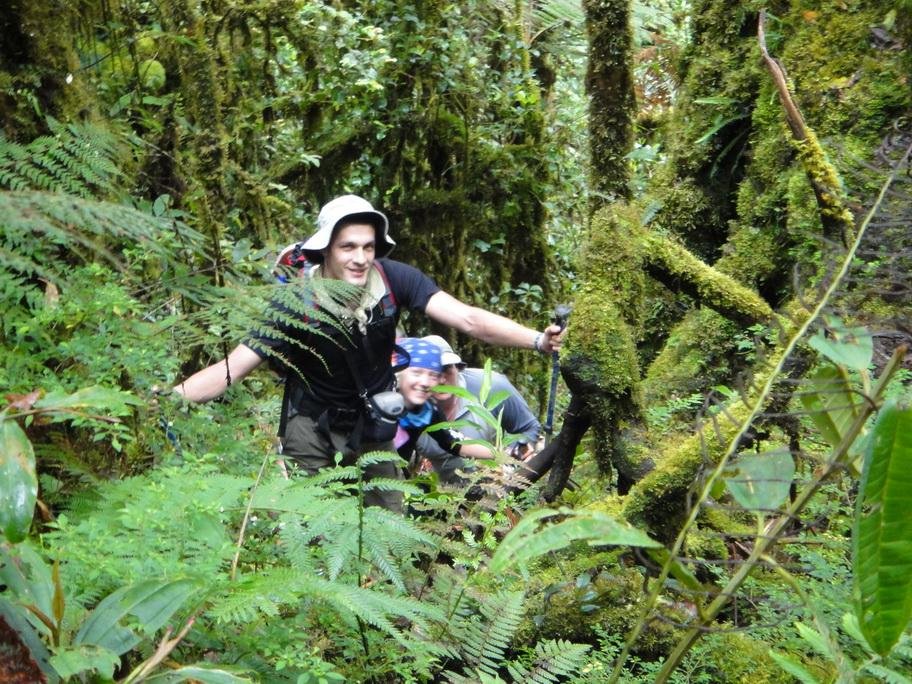
- Lowland tropical rainforests
- Valleys, rivers, and extensive wetlands
- Coastal and marine ecosystems
The presence of this complete sequence of ecosystems firmly establishes Lorentz as one of the most biodiverse conservation areas in the Asia-Pacific region.
Remarkable Faunal Diversity
Due to its vast size and ecological variety, Lorentz National Park is home to numerous endemic species of flora and fauna unique to Papua. Notable wildlife found within the park includes:
- Cassowaries (two distinct species)
- Birds of paradise, often referred to as the “birds of heaven”
- Snow quail
- Long-snouted and short-snouted wild pigs
- Cuscus
- Dingiso tree kangaroo, a rare and relatively recent scientific discovery
This rich wildlife diversity highlights the park's exceptional conservation value and underscores its vital role in protecting fragile ecosystems.
Lorentz as a Global Conservation Area
In collaboration with organizations such as WWF and other environmental institutions, Lorentz National Park remains a major focus of international biodiversity protection efforts. Its status as the most complete ecosystem conservation area in the Asia-Pacific region emphasizes its global importance-not only for Papua and Indonesia, but for the world.
Through sustainable management and continuous conservation initiatives, Lorentz National Park is expected to remain a final refuge for Papua's endemic flora and fauna, as well as an invaluable center for scientific research and environmental preservation.
