

Snow and Glaciers at the Equator
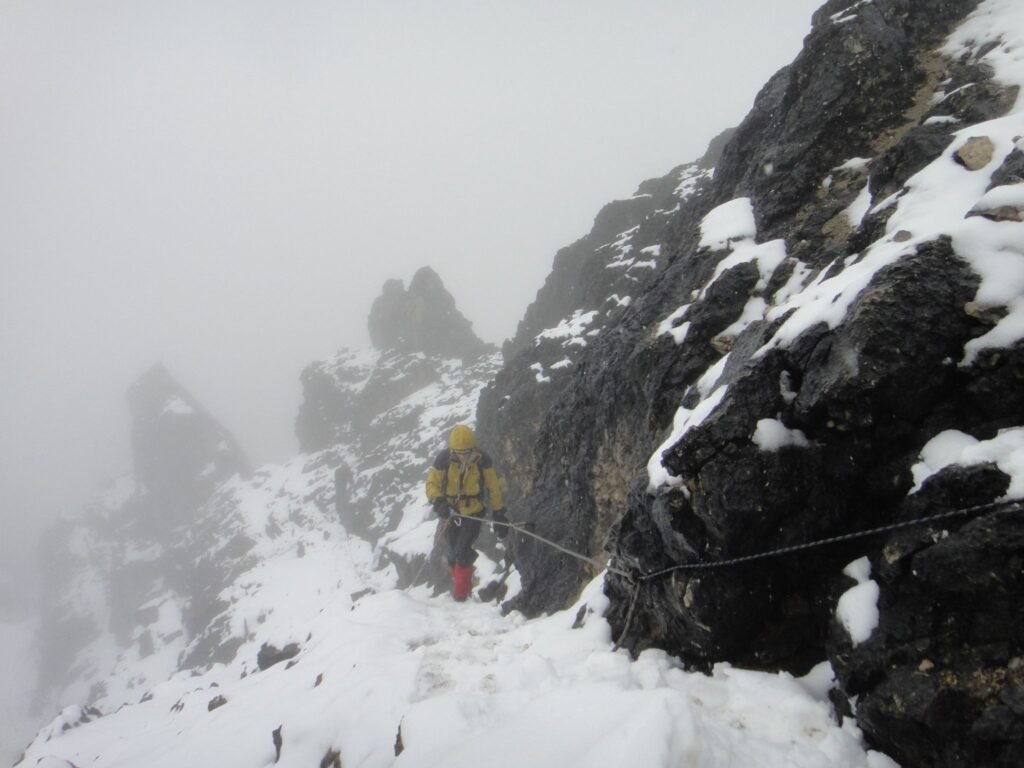
One of the most striking features of the Carstensz region is the presence of snow and glaciers almost directly on the equator. For centuries, explorers and scientists were astonished to find permanent ice fields in tropical Indonesia, a phenomenon made possible by extreme altitude rather than latitude. These glaciers, perched above 4,800 meters, represent the last remaining tropical glaciers in Southeast Asia.
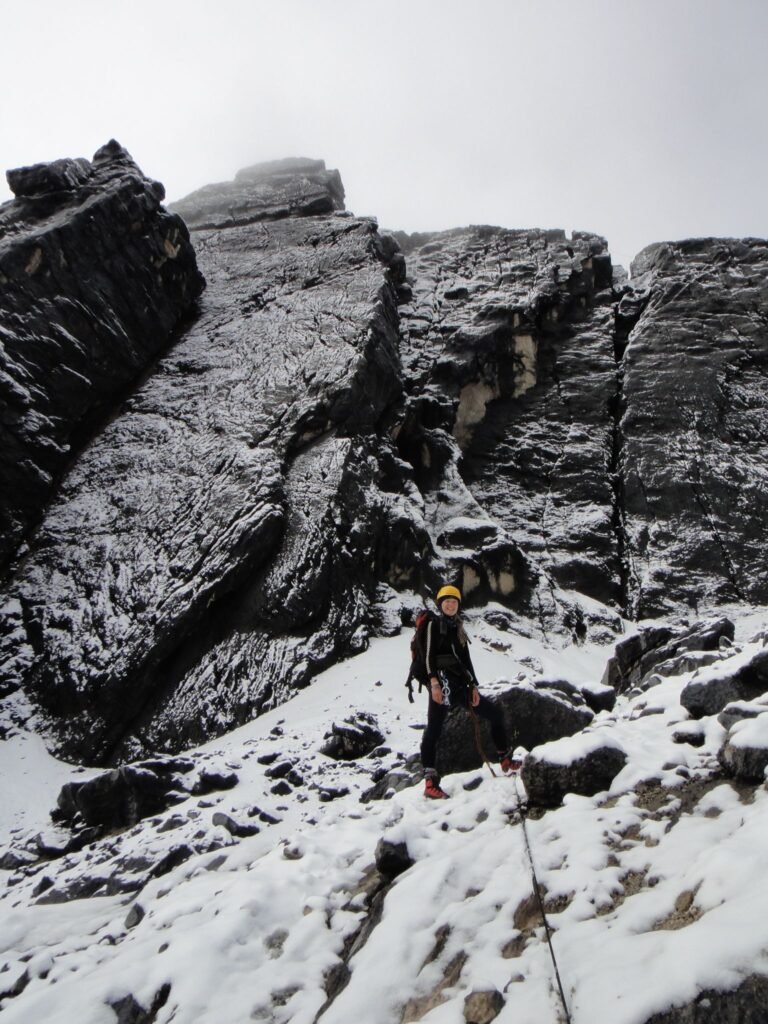
Historically, the Carstensz ice fields were far more extensive. Early twentieth-century expeditions documented vast snow caps covering much of the summit plateau. Today, these glaciers have retreated dramatically, becoming powerful symbols of global climate change. Rising temperatures and shifting precipitation patterns have accelerated melting, reducing ice thickness and surface area year by year.
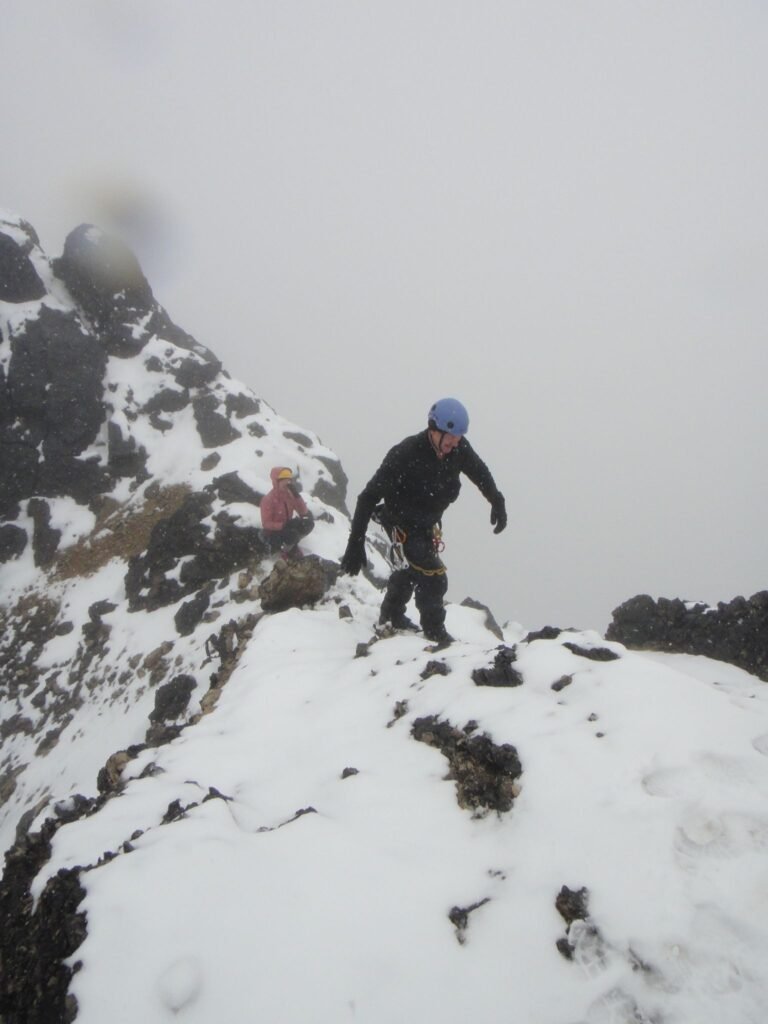
Despite their decline, the glaciers still play an important ecological and cultural role. Meltwater contributes to downstream river systems that sustain lowland communities and ecosystems. For mountaineers, the snowfields and icy gullies add a unique alpine character rarely associated with Indonesia. The juxtaposition of equatorial rainforest below and frozen terrain above makes Carstensz a stark reminder of how fragile even the most extraordinary environments can be.
