Synergy Between Papua Mountaineering and Indigenous Communities in Managing Mountain Routes in Papua
Mountaineering in the Land of Papua has its own distinct character. Beyond the extreme and challenging terrain, Papua's mountain regions lie within customary lands protected and managed by indigenous communities. These communities are not only guardians of their ancestral territories, but also holders of invaluable local wisdom, environmental knowledge, and a crucial role in regulating access to mountain routes. Within this context, Papua Mountaineering serves as an association that builds a collaborative bridge between modern mountaineering practices and traditions that have existed for centuries.
The synergy between Papua Mountaineering and indigenous communities forms the foundation for mountaineering that is safe, ethical, and deeply respectful of Papuan culture.
1. Respecting Customary Rights as the Gateway to Route Management
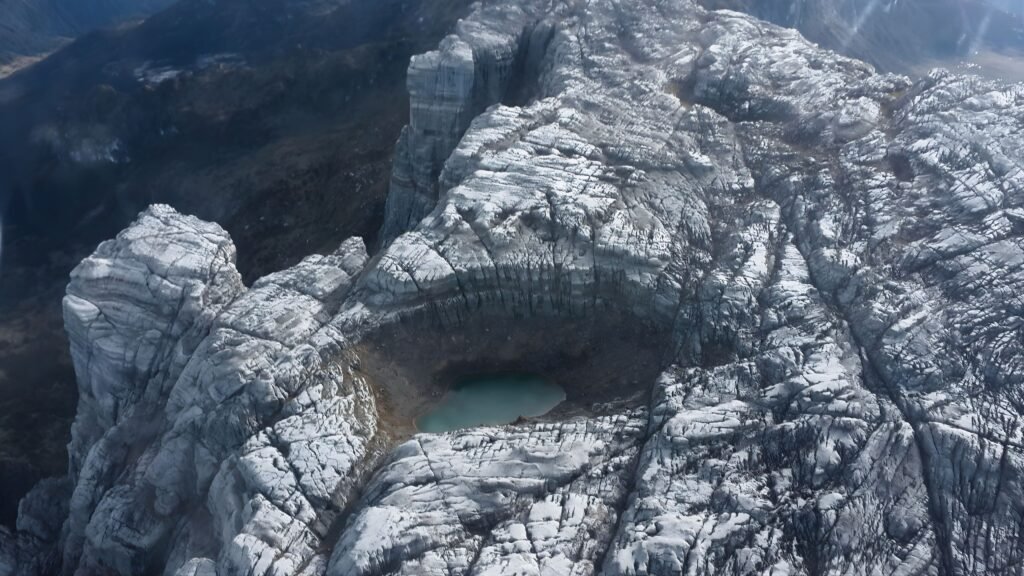
Most access routes to Papua's mountain regions including Carstensz Pyramid and its surrounding alpine areas are located within customary territories. Route management cannot take place without the consent and active involvement of indigenous communities.
Papua Mountaineering acts as a liaison to ensure that:
- All operators and climbers comply with customary permits
- Climbing routes are opened and managed through mutual agreements
- The rights and roles of indigenous communities are fully respected
- Sacred zones and restricted areas are not disturbed
This dialogue-based approach helps reduce conflict while strengthening long-term relationships with local communities.
2. Integrating Local Wisdom with Modern Mountaineering Standards
Indigenous Papuan communities possess deep knowledge of terrain, weather patterns, flora and fauna, and natural changes insights that are often undocumented in scientific records. This traditional knowledge plays a vital role in developing effective mountaineering standard operating procedures.
This collaboration improves route management by:
- Relying on experienced local guides for route navigation
- Combining traditional weather indicators with modern meteorological methods
- Accurately identifying water sources, slippery sections, and landslide-prone areas
- Incorporating local traditions and stories as part of climber education
The integration of modern science and indigenous knowledge results in safer and more authentic mountaineering experiences.
3. Local Economic Empowerment Through Mountaineering
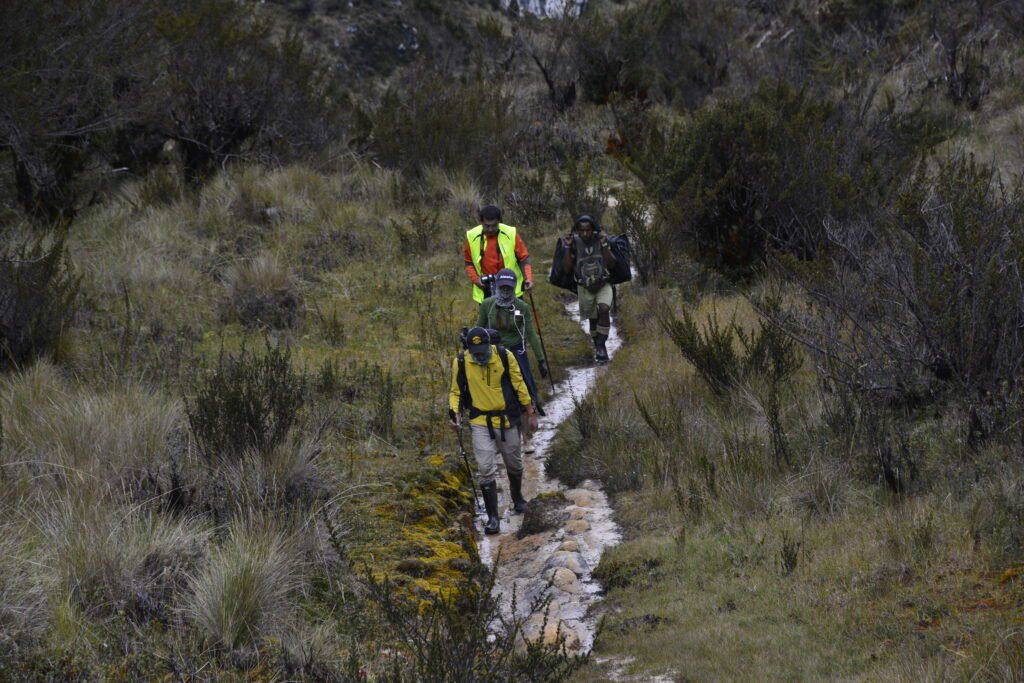
Papua Mountaineering promotes a fair and sustainable economic system for indigenous communities involved in mountaineering activities.
Practical implementation of this empowerment includes:
- Training and certification of local guides
- Development of professional local porters and technical staff
- Transparent and equitable revenue-sharing mechanisms
- Prioritization of local services such as transportation, catering, and accommodation
- Support for micro-enterprises related to ecotourism
This model ensures that mountaineering benefits not only climbers, but also provides direct and meaningful economic value to indigenous communities.
4. Environmental Protection and Cultural Preservation
Papua's mountain ecosystems are among the most sensitive in Indonesia. Papua Mountaineering works closely with indigenous communities to protect these environments through:
- Strict regulations on expedition waste management
- Limits on the number of climbers to maintain environmental carrying capacity
- Cultural orientation and customary law briefings prior to expeditions
- Protection of sacred areas that must not be accessed or documented
- Restoration programs for damaged routes
Indigenous communities play a central role as custodians of nature, while Papua Mountaineering ensures that conservation principles are implemented in line with international standards.
5. Building a Consensus-Based Mountaineering Management System
This synergy extends beyond technical mountaineering matters to include a human-centered communication system. Any changes to routes, regulations, or the opening of new access points are conducted through collective deliberation involving:
- Customary councils
- Representatives of land-owning clans or tribes
- Papua Mountaineering representatives
- Local guides
- Government bodies or relevant authorities
This collective approach creates stable, fair, and low-conflict route management systems.
6. Positive Impacts of the Synergy on Papua's Mountaineering Industry
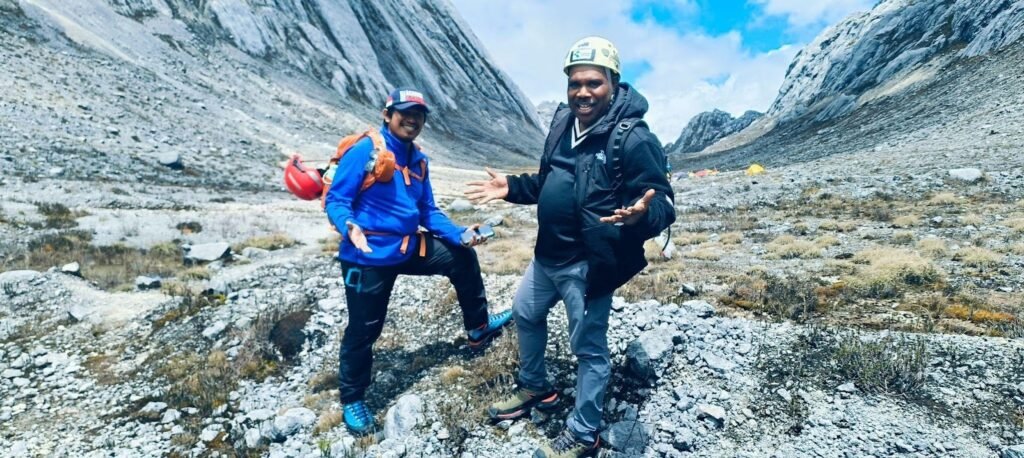
This collaborative model delivers significant benefits, including:
- Safer and more organized climbing routes
- Meaningful roles and fair income for indigenous communities
- Higher professional standards for expedition operators
- High-quality experiences for international climbers
- Reduced access-related conflicts
- Mutual respect and shared benefits for all stakeholders
This synergy serves as a model of mountaineering collaboration that can be replicated in other mountain regions across Indonesia.
Conclusion
The partnership between Papua Mountaineering and Papua's indigenous communities is a vital foundation for the future of safe, professional, and sustainable mountaineering. By combining respect for local culture, economic empowerment, traditional knowledge, and modern safety standards, Papua's mountain route management stands out as one of the most unique and valuable systems in Indonesia.
Through close cooperation built on mutual respect, mountaineering in Papua becomes more than a journey to the summit-it is a cultural, educational, and deeply meaningful experience that fosters harmony between people and nature.
