Papua Mountaineering: Driving Professional Mountaineering Standards in the Land of Papua
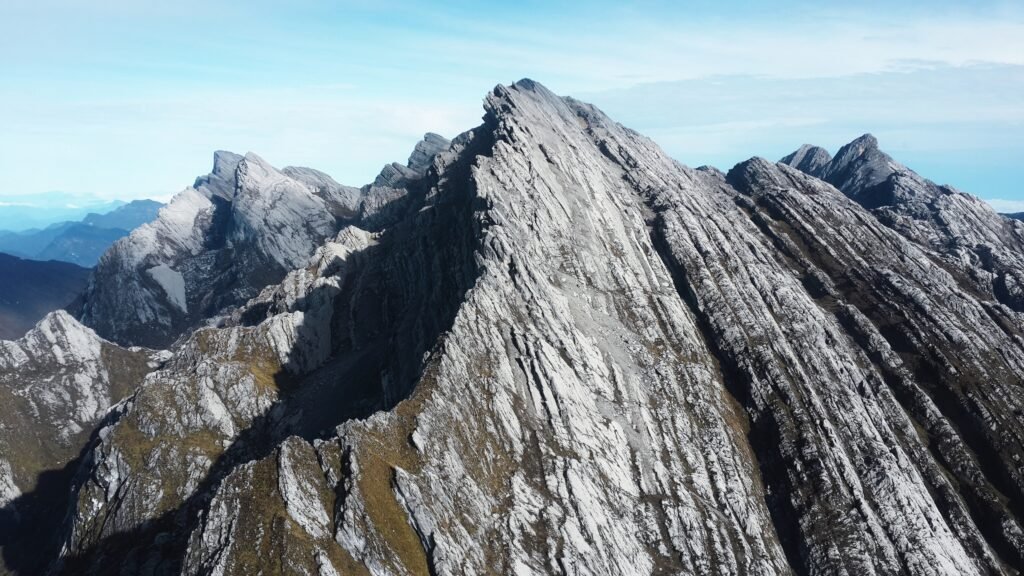
The Land of Papua is known as one of the world's most dramatic mountain regions. From dense tropical rainforests and towering limestone cliffs to snow-covered alpine zones around Carstensz Pyramid, every climbing route in Papua presents unique and complex challenges. Amidst this demanding terrain, Papua Mountaineering stands as an association dedicated to advancing professionalism, safety, and standardized mountaineering governance across Papua.
1. Establishing Safety Standards for Mountaineering in Papua
Mountaineering in Papua cannot be equated with typical tropical mountain climbs. Technical terrain, extreme weather, and routes involving rock climbing, rope systems, and limited navigation markers require exceptionally high standards.
Papua Mountaineering plays a key role in defining safety benchmarks, including:
- Standard operating procedures for climbs and expedition operations
- Guidelines for the use of internationally recognized technical equipment
- Mandatory safety briefings for climbers
- Regulations on the number of guides, rope technicians, and porters
- Risk mitigation and evacuation procedures
These standards ensure that every expedition is conducted professionally and systematically, rather than relying solely on informal field practices.
2. Enhancing Local Human Resources Through Structured Training
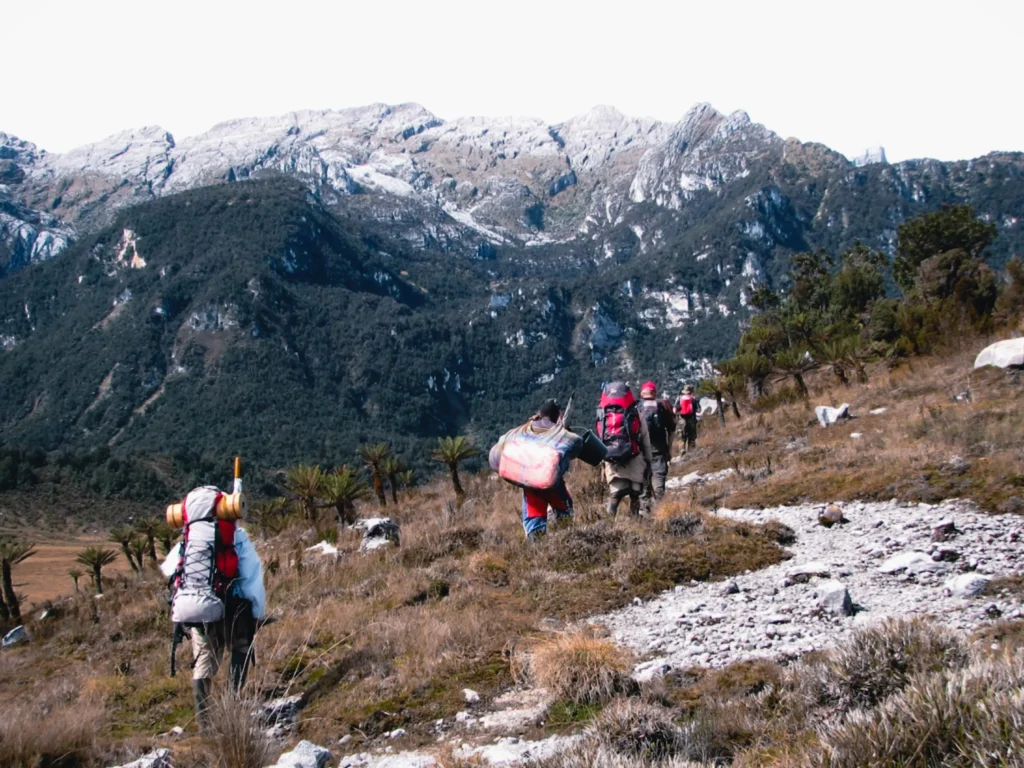
One of Papua Mountaineering's primary focuses is empowering local communities, particularly guides, technicians, and porters living around Papua's mountain regions.
The association provides structured training programs such as:
- Mountain guiding certification
- High-altitude preparation training
- Fixed rope techniques and rope rescue
- Navigation and route management
- First aid and field evacuation
- Expedition logistics management
Through official training and certification, local personnel not only improve their technical skills but also achieve working standards comparable to those of international professional mountain guides.
3. Bridging Collaboration Among Stakeholders in Papua
Mountaineering in Papua is inseparable from the involvement of indigenous communities, local governments, national park authorities, and expedition operators. Papua Mountaineering serves as a coordination platform by facilitating:
- Alignment between customary permits and formal government permits
- Reconciliation and management of climbing routes and basecamp access
- Communication forums between operators and local communities
- Socialization and implementation of standard operating procedures
This collaboration helps establish a mountaineering system that is not only safe, but also respectful of Papua's social structures and cultural values.
4. Enforcing Professional Standards for Expedition Operators
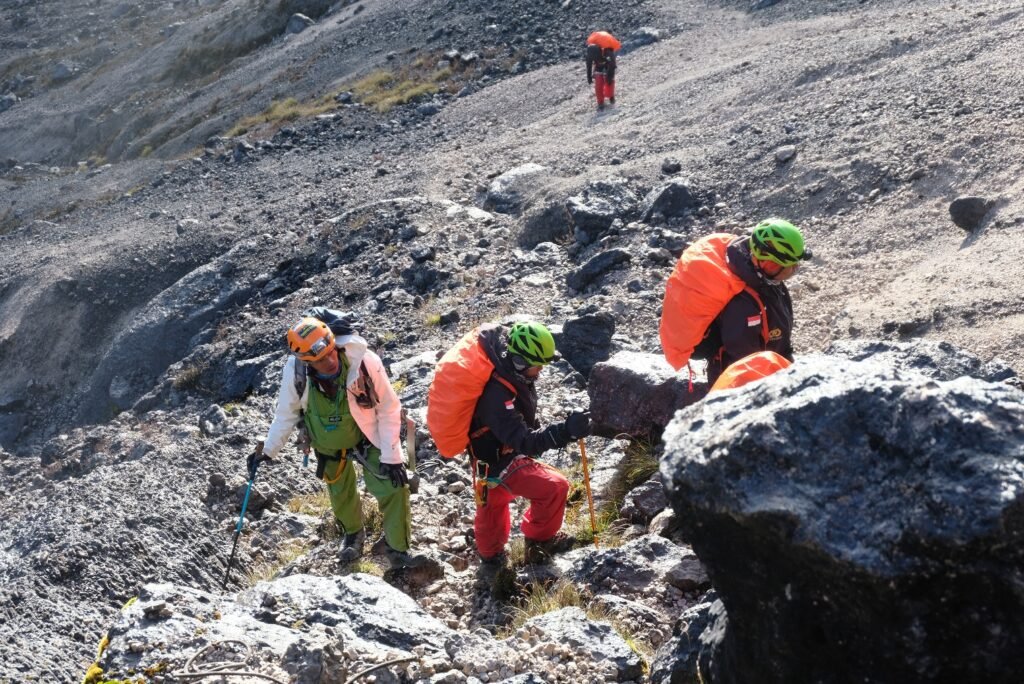
To maintain safety and service quality, Papua Mountaineering implements regulations and requirements for expedition operators, including:
- Mandatory partnerships with certified guides and technical personnel
- Crew-to-climber ratios that meet safety standards
- Obligations to carry proper technical equipment
- Expedition activity reporting and operational planning
- Compliance with environmental limits and mountaineering ethics
These regulations ensure that all expeditions-both domestic and international-are carried out responsibly and professionally.
5. Commitment to Conservation and Sustainable Ecotourism
Papua's mountain regions are home to unique and fragile biodiversity. Papua Mountaineering actively promotes sustainable mountaineering through:
- Leave No Trace campaigns
- Expedition waste management practices
- Protection of alpine flora and fauna around Carstensz
- Climbers’ education on local culture and environmental awareness
- Environmentally responsible community-based economic programs
Mountaineering is not only about reaching the summit, but also about preserving the ecosystems that sustain indigenous communities and Papua's natural heritage.
6. Shaping the Future of Papua's Mountaineering Industry
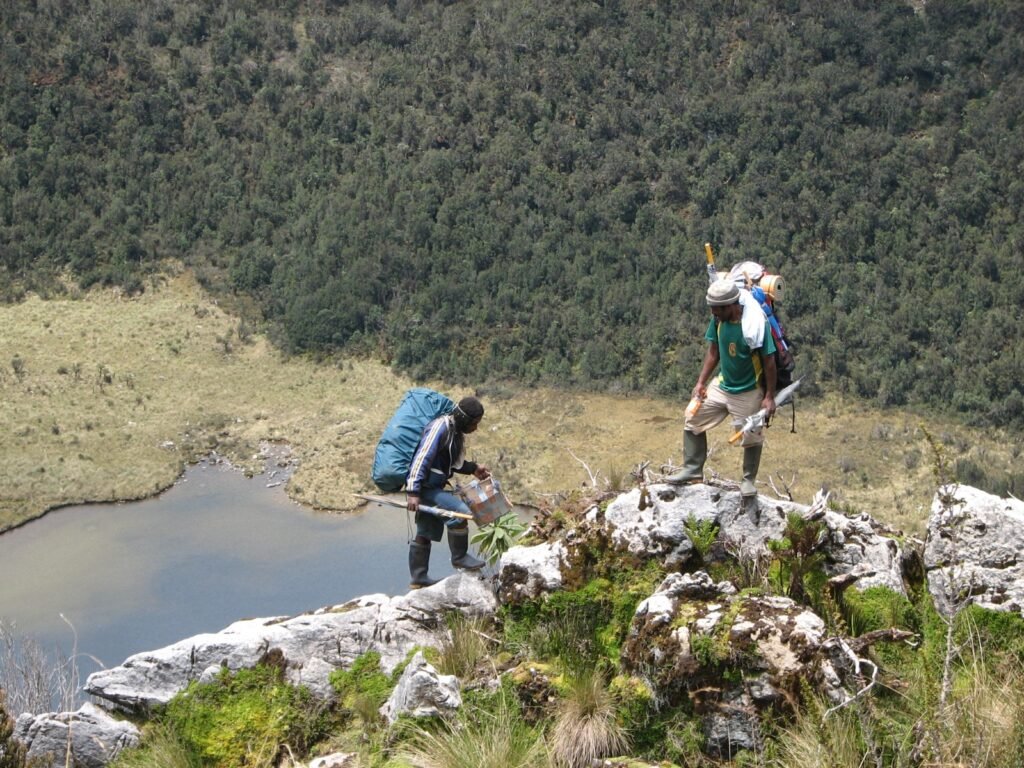
Looking ahead, Papua Mountaineering continues to develop:
- An integrated climb registration system
- Digitized weather data, route information, and climber statistics
- International-standard rescue training programs
- A documentation and research center for Papuan mountaineering
- Standardization of technical routes on Carstensz and emerging new routes
These initiatives aim to position Papua as a world-class premium mountaineering destination that is safe, professional, and sustainable.
Conclusion
Papua Mountaineering forms a vital foundation within Papua's mountaineering ecosystem. By establishing safety standards, strengthening local human resources, fostering collaboration with indigenous and governmental stakeholders, and protecting the natural environment, the association serves as a key driver in the transformation of mountaineering in the Land of Papua. Its presence ensures that every expedition not only reaches the summit, but does so with responsibility, professionalism, and respect for nature and culture.
