The Role of Climbing Organizations in Protecting Papua's Mountains
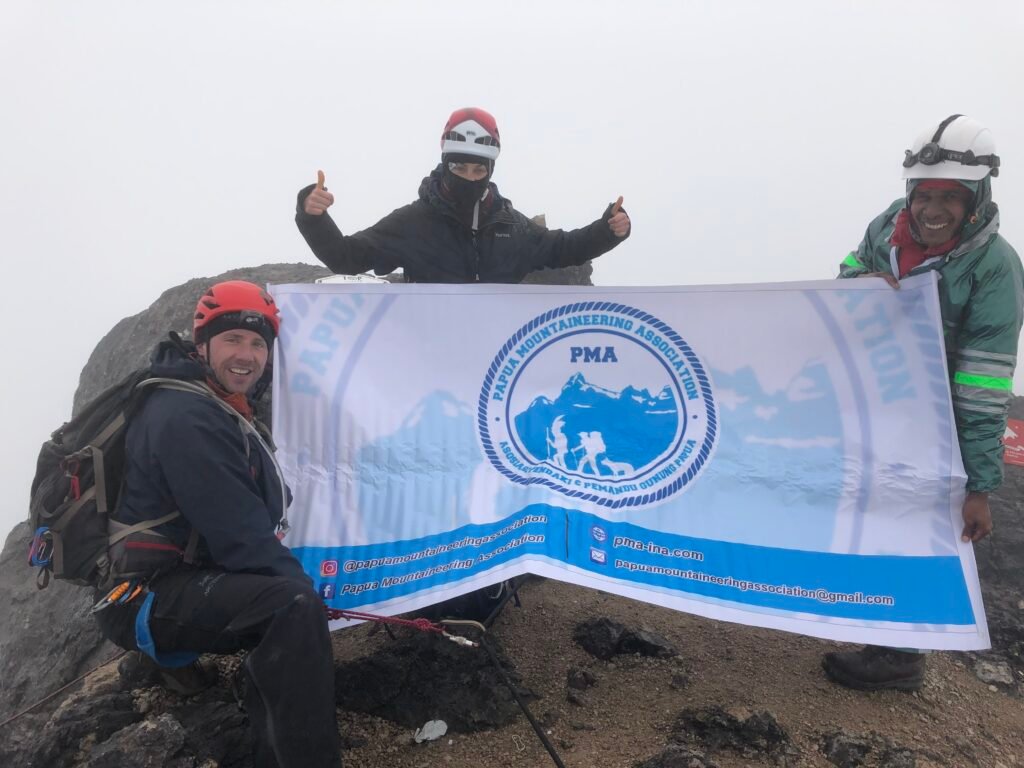
In Papua, mountains are more than just scenery or places for adventure. They are areas of life, customary areas, and sensitive habitats that require a special approach rather than just ordinary climbing. In this case, the existence of climbing organizations is very important not only as providers of tourism services, but also as supervisors of safety, ethics, and conservation.
As interest in mountain climbing and adventure tourism increases, Papua faces considerable challenges. The Jayawijaya Mountains, Carstensz Pyramid, and surrounding areas have extremely difficult terrain, unpredictable weather, and cultural values that are deeply ingrained in the local community. Without proper management, climbing activities can become a burden on the environment and people.
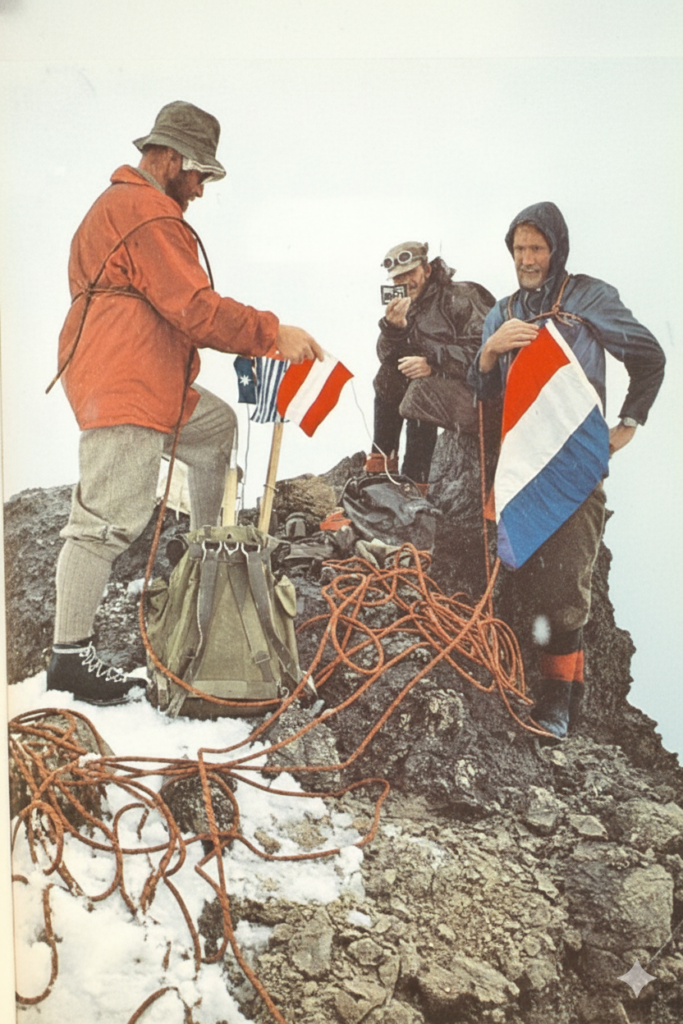
Contrary to popular belief, climbing groups in Papua were not established to offer the experience of reaching mountain peaks. They focus more on aspects that are often overlooked by the public: how to climb safely and responsibly.
These organizations are tasked with developing technical climbing standards that are appropriate for the terrain in Papua including the use of fixed ropes on technical routes, managing the risks posed by extreme tropical weather, and emergency procedures in remote areas. These guidelines are an important reference for climbers, guides, and other relevant parties so that safety does not depend solely on improvisation. In Papua, even a small mistake can have serious consequences. Therefore, a professional approach is a necessity, not just an option.
The mountains in Papua are located far from medical access and rapid evacuation routes. In situations like this, anticipating risks becomes far more crucial than dealing with accidents after they occur. Organizations that manage climbing prioritize safety as a core value through technical education, assessment of climbers’ readiness, and guidance from experienced parties. Climbing is not considered a spontaneous activity, but rather an endeavor that requires careful planning, discipline, and adherence to existing procedures. With this approach, organizations strive to reduce risk without detracting from the essence of the adventure experience itself.
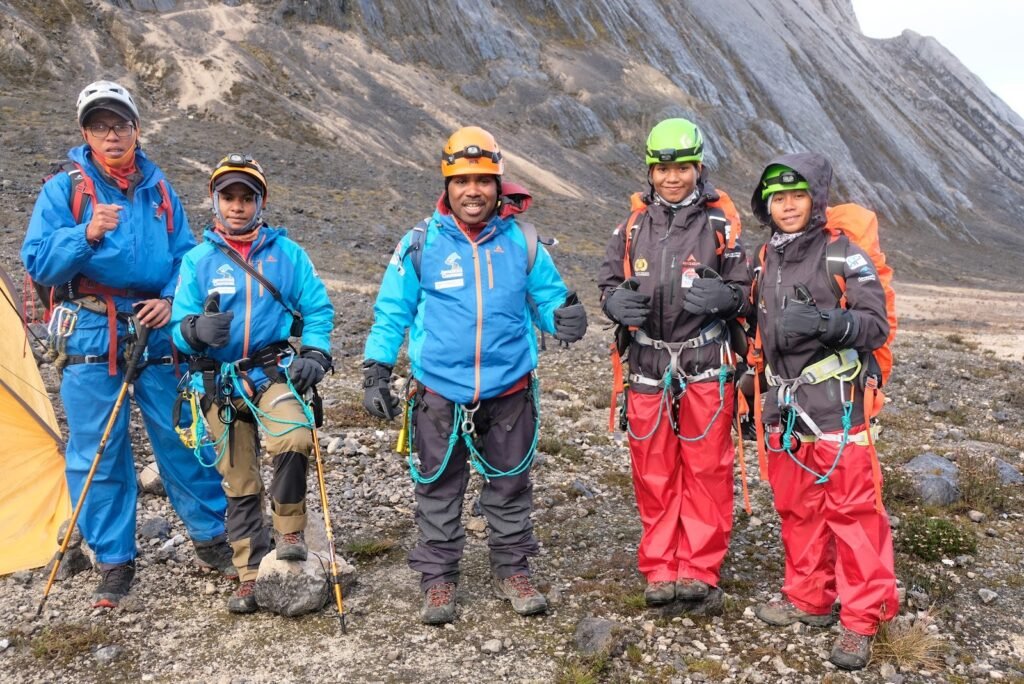
Mountaineering organizations in Papua also play a significant role in environmental protection efforts. By educating the community about the Leave No Trace principles adapted to local conditions, waste management during climbing, and monitoring the effects of human activities, these organizations strive to preserve the authenticity of the mountains. Environmental protection is not always synonymous with total prohibition, but rather careful management. With the right strategy, mountaineering activities can take place alongside efforts to preserve nature.
