Mountain climbing has now become an important component of the adventure tourism trend around the world. In recent years, interest in this activity has surged significantly, in line with advances in climbing technology and increased visitor awareness of the authenticity of the natural experience. Mountains are now not only a destination for a small number of adventurers, but also an attractive tourist spot offering various challenges, opportunities for reflection, and breathtaking scenery.
This transformation has been driven by two main factors. First, increasingly sophisticated climbing technology and equipment have enabled more people to reach areas that were previously difficult to access. Second, the presence of professional tour operators has provided travelers with the opportunity to enjoy climbing in a more organized, safe, and comfortable manner.
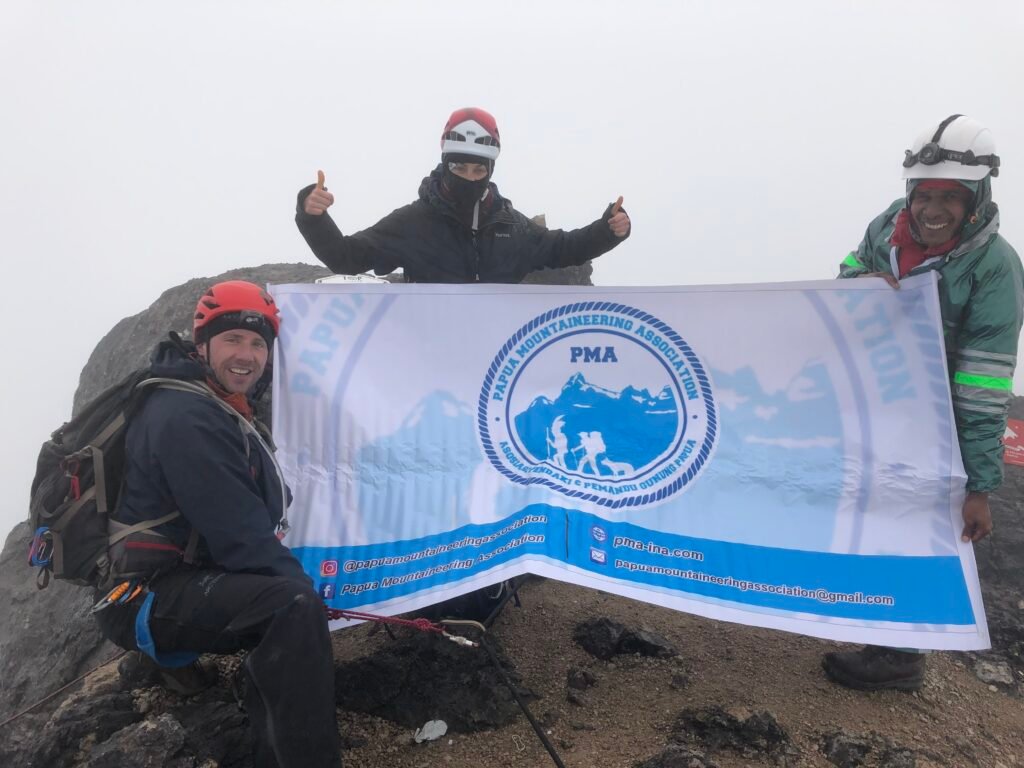
In today's tourism world, mountain climbing has transformed into a specialized form of tourism. Travelers no longer focus solely on reaching the summit, but also enjoy the journey itself: exploring natural trails, interacting with local communities, and understanding the uniqueness of each mountain.
Some of the world's most famous peaks, including those in the Seven Summits category, have become symbols of individual achievement and global tourist destinations. The high costs reflect the logistical complexity, safety standards, and professional support required to explore such extreme areas. This approach makes mountaineering more organized and accessible to tourists who prioritize safety and comfort, without compromising the real challenges of nature.
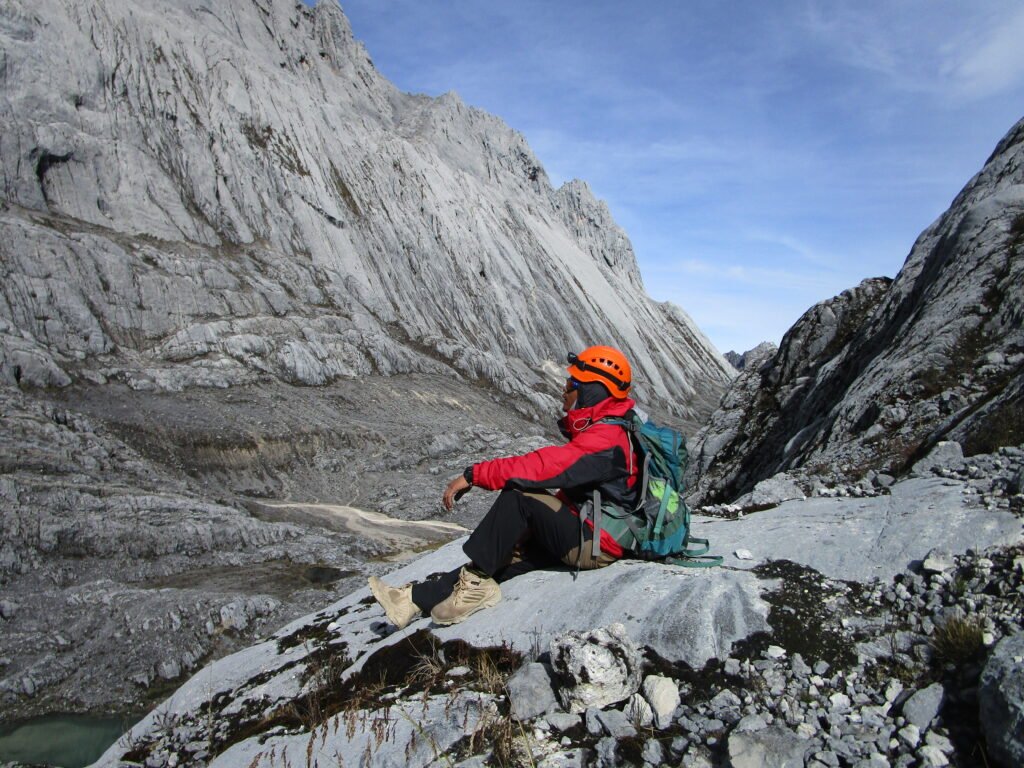
As the number of visitors increases, the issue of sustainability has become a major focus in mountaineering tourism. Mountains are fragile ecosystems, so effective management is essential to ensure that tourism activities provide long-term benefits. In various tourist locations, a sustainable tourism approach is being introduced through limiting the number of climbers, environmental education, and local community participation. This approach allows tourists to enjoy the beauty of nature while participating in efforts to preserve the area. Well-managed climbing not only protects the environment, but also provides a more meaningful and unique experience for tourists.
Mountain climbing is not just a physical activity, but also a life-changing experience. Every step brings climbers closer to an understanding of the environment, personal limits, and the value of cooperation.
This aspect sets climbing apart from mass tourism. The activity requires preparation, attention, and respect for nature. This is where its charm lies a journey intended for those seeking meaning, not just a destination.
