Shortcut Temptations in the Mountains: Why Cutting Trails Near Carstensz Pyramid Can Be Dangerous
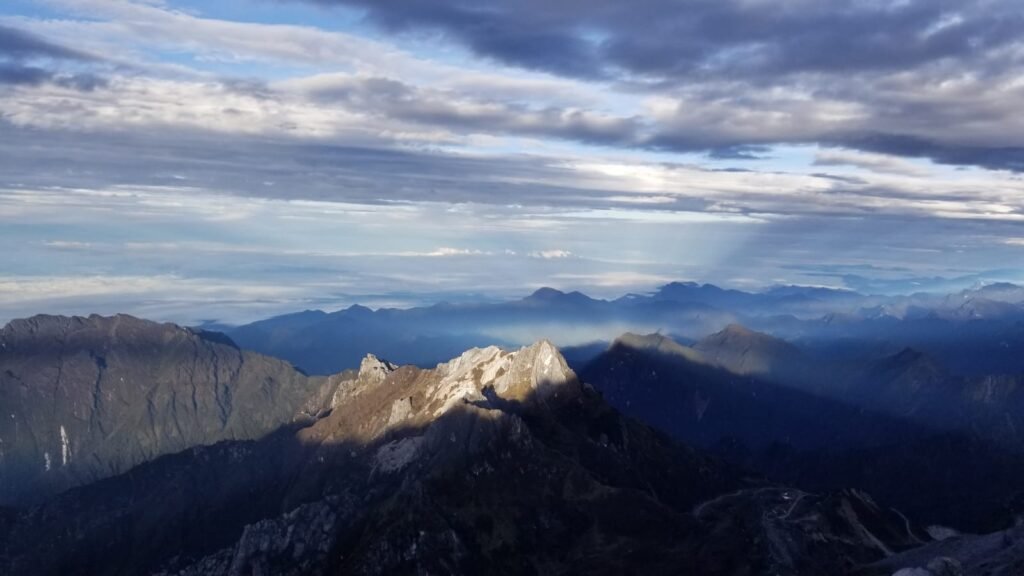
For many adventure seekers, the journey to Carstensz Pyramid (Puncak Jaya) represents one of the most demanding and rewarding mountain experiences in the world. But within the excitement of reaching one of the Seven Summits, there is a common mistake that even seasoned trekkers sometimes make: taking shortcuts. While the idea of a faster route may sound appealing, especially in Papua's rugged highlands, the risks are far greater than most imagine. The approach to Carstensz is not just a trek-it is a test of patience, respect, and disciplined navigation through one of the most complex environments on earth.
Unclear Paths and Hidden Hazards
Unlike popular trekking destinations with clear signage and established pathways, the routes leading to Carstensz Pyramid are anything but straightforward. Trekkers must make their way through dense jungle, slippery wetlands, fog-covered ridges, and sharp limestone formations. Leaving the designated trail, even by a small margin, can lead to immediate disorientation. The forest floor often hides unstable ground, soft mud disguised as firm terrain, and unexpected drop-offs concealed by thick vegetation. In the rainy season, visibility decreases further, and new plant growth can hide moss-covered crevices deep enough to trap a climber. A shortcut that appears harmless can quickly turn into a dangerous detour requiring rescue.
Environmental Damage: A Silent but Serious Issue
The Carstensz ecosystem is one of the most fragile in the region. The alpine moss beds, soft highland soil, and delicate plant life do not recover quickly from human disturbance. Stepping off the main route may seem inconsequential in the moment, but repeated shortcuts in sensitive areas around the valleys, wetlands, or regions near Larson Lake can accelerate erosion and permanently scar the landscape. The soil structure is especially vulnerable, and even a few off-route footsteps can destabilize it enough to cause minor landslides. In a remote environment where only a limited number of expeditions pass through each year, preserving the natural terrain is essential for the sustainability of future climbs.
Navigation Risks: Getting Lost Is a Real Threat
Navigation challenges are one of the primary reasons why experienced guides insist that trekkers stay on the official routes. GPS devices often lose signal under dense forest canopy or narrow limestone corridors. Phones have no reception for most of the approach. When someone steps off the trail, the risk of getting lost increases drastically. Dense fog can roll in suddenly, reducing visibility to a few meters and making it nearly impossible to retrace your steps. Once disoriented, trekkers may wander into deep valleys, riverbeds, or cliffs where rescue becomes extremely complicated. Search-and-rescue teams face significant challenges in this environment, and evacuations may require helicopter assistance that depends entirely on unpredictable weather. Losing the route is not merely an inconvenience; it can be life-threatening.
Regulations and Respect for Local Land
Carstensz Pyramid is located within an area that requires not only government-issued permits but also respect for indigenous land rights and local regulations. The approach trails cross territories belonging to tribal communities who have their own customs, land boundaries, and conservation traditions. Straying off the designated routes can be seen as trespassing or a breach of the agreements set between expedition operators and the local people. Environmental protection rules also apply, especially in zones considered ecologically sensitive. Following the designated trail is not only a matter of safety but also a sign of respect towards the cultural and environmental stewardship upheld by the communities who live in the region.
The Safe and Responsible Way: Follow the Official Route
Whether trekking through dense jungle, moving across high valleys, or preparing for the final ascent and Tyrolean Traverse near the summit, the safest and most responsible approach is to stay on the official route. Guides and porters are trained to navigate the terrain efficiently and safely, and their experience is built on years of walking the same trails. Following their lead ensures a smoother expedition, minimizes conflicts with local communities, reduces environmental degradation, and avoids unnecessary emergencies. The journey to Carstensz Pyramid is long and challenging by design, and respecting the route is part of the adventure.
Final Word: On the Path to Carstensz, the Long Way Is the Right Way
When approaching one of the world's most iconic peaks, taking shortcuts does not make the climb easier or faster-it only increases the risks. In Papua's remote and unpredictable mountains, patience and discipline matter more than speed. The safest journey is always the one that respects nature, honors local customs, and follows the wisdom of the guides who know the land best. The reward waiting at Carstensz Pyramid is worth every careful step, and the long way is, without question, the right way.
