Can You Send an SOS Signal at Carstensz Pyramid? Here's What Climbers Need to Know
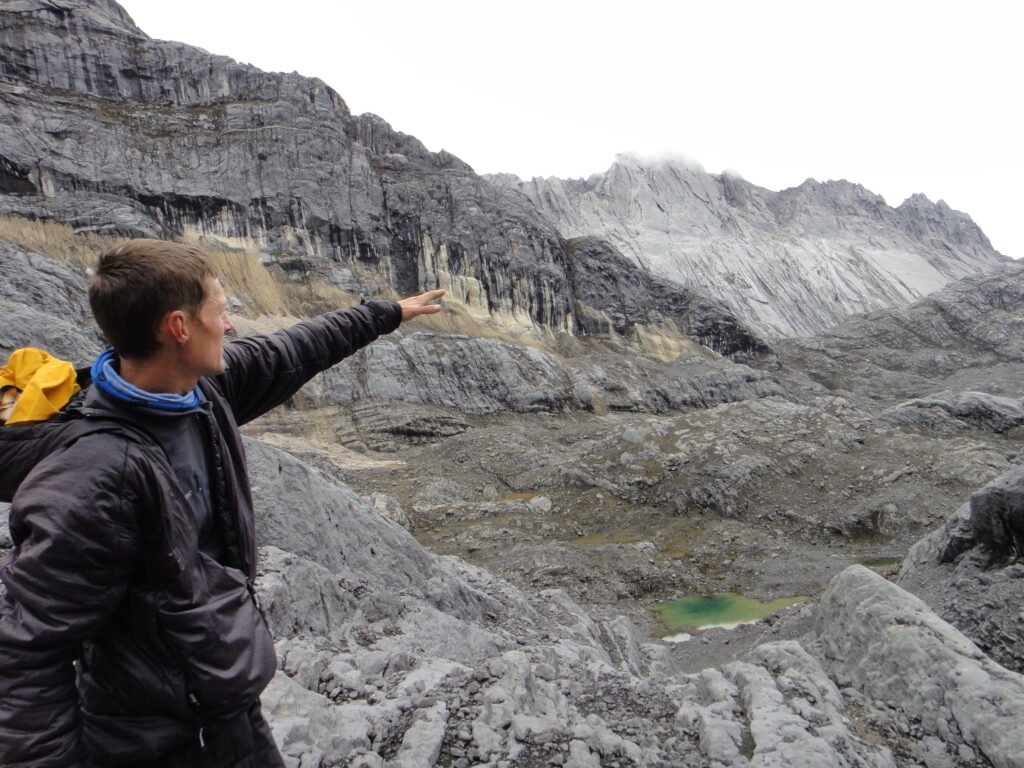
Carstensz Pyramid, also known as Puncak Jaya, is one of the most remote and isolated mountains in the world. Surrounded by dense rainforests, deep valleys, and towering limestone walls, it offers a rare and challenging expedition experience for climbers attempting the Seven Summits. Yet this remoteness raises an essential question for safety: can a climber actually send an SOS signal if an emergency occurs on Carstensz Pyramid? The answer is yes, but only with the right equipment, because no traditional cell signal exists in the region.
No Phone Signal: Why Standard Devices Don't Work
Climbers should understand from the start that the entire Carstensz approach, from the jungle trek to the high-altitude rock scrambling, has absolutely no cellular network coverage. Standard smartphones become nothing more than cameras and flashlights once you enter Papua's highlands. This is one of the reasons Carstensz expeditions rely on specialized mountaineering communication tools rather than everyday devices.
Satellite Communication as the Main SOS Method
The primary and most reliable way to send an SOS at Carstensz Pyramid is by using satellite-based devices. These tools are specifically designed for remote, zero-signal environments. Devices such as Garmin inReach or SPOT send distress messages directly to international rescue coordination centers through satellite networks. Many guides prefer Garmin inReach because it allows two-way messaging, meaning rescuers can confirm your condition, send instructions, and verify your coordinates. Satellite phones such as Iridium or Thuraya are also common, allowing climbers to make direct voice calls to expedition coordinators or emergency services. However, satellite phones require a clear view of the sky, which can be difficult under thick canopy or inside steep valleys.
Traditional SOS Signals: Possible but Not Always Effective
While modern climbers rely heavily on satellite communication, traditional distress signals still exist as a last resort. Signals such as three flashes of a headlamp, three loud whistle blasts, or three fires arranged in a triangle follow the universal SOS pattern. On Carstensz, though, these signals are often limited by dense vegetation, extreme distances, and rapidly changing weather. Ground-to-air signals such as laying out bright clothing or forming a large SOS sign on open terrain can help if a helicopter is already searching the area, but this method depends on a rescue team being nearby and having clear visibility. Both of which are uncertain in Papua's volatile conditions.
How an SOS Should Be Sent in a Real Emergency
If an emergency occurs on Carstensz Pyramid, the first step is to remain calm and assess the situation. Climbers need to determine whether the issue requires immediate evacuation or if it can be managed temporarily with first aid. The SOS button on a satellite messenger should be activated as the primary response. Once pressed, the device sends an automatic distress signal along with exact GPS coordinates to the appropriate rescue coordination center. To help the device establish a stronger connection, the injured climber or teammates should move, if safe, to an area with more open sky such as a clearing, ridge, or rock slab. While waiting, it is important to conserve battery power, protect yourself from the cold, and prepare any gear that increases visibility for rescuers. If a two-way communication device is available, climbers should follow the instructions sent by the rescue coordinators.
Why Every Carstensz Expedition Must Be Equipped for SOS
Because Carstensz lies deep within Papua's wilderness, rescue operations can take a long time. Helicopters may be grounded due to storms, fog, or high winds, and ground teams may take hours or days to reach certain locations. This is why proper emergency communication is not optional, it is essential. A reliable SOS device ensures faster response times, accurate location tracking, and coordinated efforts between local authorities, guides, and international rescue partners. Professional expedition operators mandate these tools for both guides and clients because they significantly increase survival chances in serious incidents.
Yes, You Can Send an SOS at Carstensz, But Only If You're Prepared
The remote nature of Carstensz Pyramid means emergencies require careful planning and reliable technology. Although there is no cell signal anywhere near the mountain, climbers can still send effective SOS alerts using satellite messengers or phones. The key is preparation: bringing the right equipment, understanding how to use it, and knowing the realities of rescue operations in Papua's challenging terrain. With proper readiness and awareness, climbers can approach Carstensz safely and confidently, knowing that help can reach them even in one of the most isolated corners of the world.
