Which One's Better for Carstensz: Helicopter or Trekking?
The climb to Carstensz Pyramid the highest peak in Oceania always raises the same question: which is better, using a helicopter or choosing the trekking route? Both options offer very different experiences, in terms of technicality, emotion, and logistics. Understanding the differences between the two is an important step for climbers in determining the choice that best suits their goals and preparations.
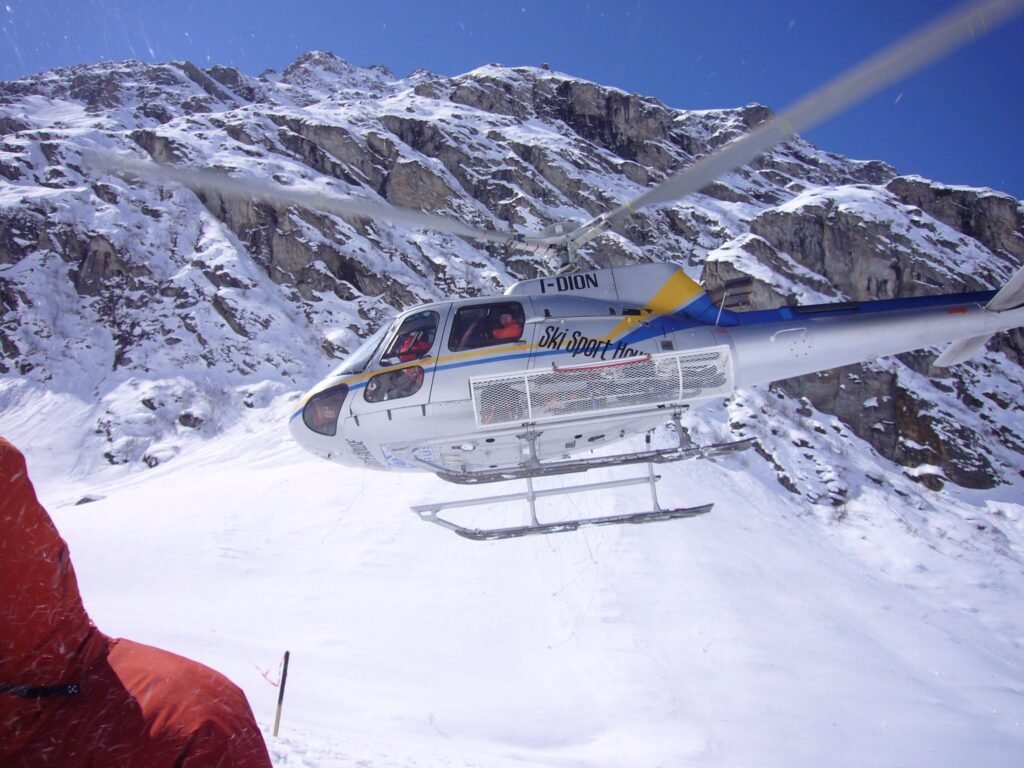
Using a helicopter is the most practical and effective option. From Timika, the journey to Yellow Valley Base Camp takes only about 40 minutes. This option reduces the risks of overland travel and avoids the lengthy logistical challenges of traveling through the unpredictable Papuan jungle. For climbers with limited time or who want to focus their energy on the summit push, a helicopter is a smart solution. In addition, the aerial route offers breathtaking views of the mountains a visual experience that is invaluable to many climbers.
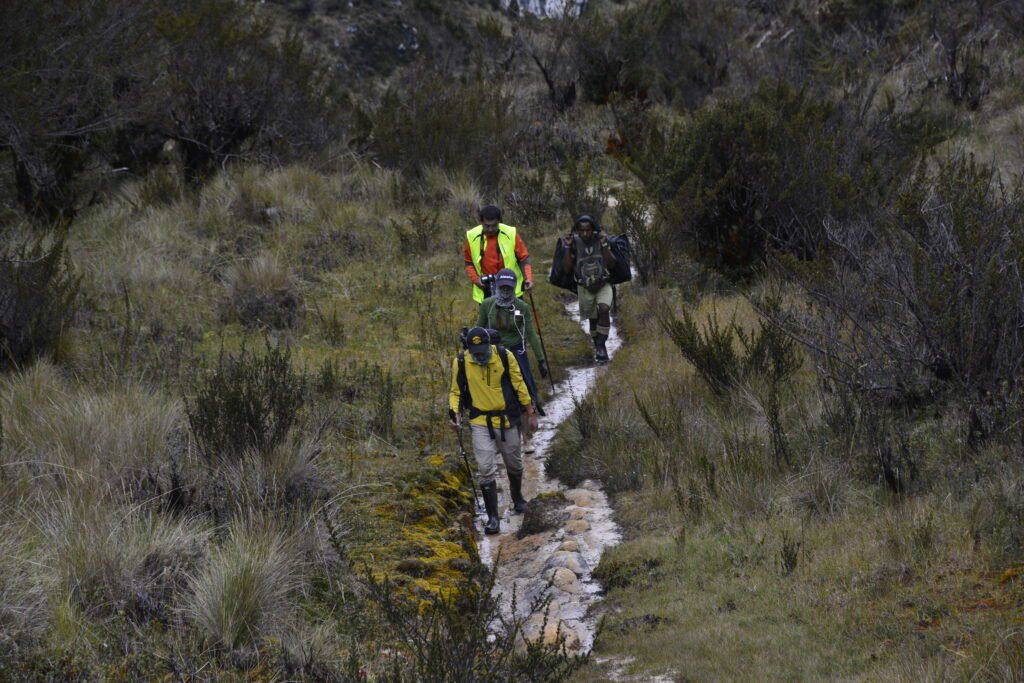
On the other hand, trekking to Carstensz provides a more complete expedition experience. Via the Sugapa or Singa trails, the journey can take up to two weeks, depending on weather conditions and trail stability. Trekking allows climbers to experience firsthand the beauty of Papua's rainforest ecosystem, meet local communities, and follow a travel rhythm reminiscent of a classic expedition. The challenges are significant: muddy trails, rapidly changing extreme weather, and much higher physical demands. However, it is these aspects that make the trekking journey considered more “authentic” and meaningful for many adventurers.
Psychologically, both options have different effects. Helicopters allow for mental energy savings, so climbers can fully concentrate on the technical and long summit day. On the other hand, trekking tests physical and mental endurance throughout the days, building a deeper emotional bond with the journey itself. Many climbers see the trekking route as a way to build character, not just a means to reach the summit.
In terms of cost, helicopter flights are usually more expensive due to their operational complexity and dependence on weather conditions. Meanwhile, trekking is generally more budget-friendly, but it takes longer and requires more logistics. Weather also has a significant impact: helicopter flights can be delayed for days if the wind and fog are unfavorable, while trekking trails can be blocked by heavy rain and slippery ground.
Determining which is better depends entirely on what climbers consider important. If the goal is time efficiency, comfort, and a focus on technical climbing, then a helicopter is the logical choice. However, if climbers want to experience the entire journey, the challenges of the expedition, and interaction with the culture and nature of Papua, trekking offers a much more profound experience.
Ultimately, both helicopters and trekking have their own unique characteristics that provide the Carstensz experience in different ways. The choice comes down to the type of adventure one wishes to undertake: quick and efficient, or long and full of stories. One thing is certain: Carstensz will always offer an unforgettable experience, no matter the route.
