Kategori: Blog
-

Tracing the Extreme Sugapa–Carstensz Route: The Silent Struggle of Guides Carrying Tourists’ Loads
Central Papua, Timika, Sugapa — Behind the grandeur of Carstensz Pyramid lies a story of struggle endured by local guides who carry heavy loads to help climbers conquer the roof of Papua at Carstensz. The journey from Sugapa to Carstensz is not merely a climbing route, but an extreme passage that demands physical strength, mental…
-

Day Two of Carstensz Guide Training in Tsinga: Participants Focus on Mountaineering Equipment Use and Basic Mountain Needs
Central Papua, Timika — Entering the second day of training for prospective Carstensz Pyramid guides via the Tsinga Route, participants continued with technical mountaineering lessons. After learning basic climbing skills and the functions of core equipment on the previous day, today’s training shifted its focus to the use of supporting gear and the management of…
-

The Epiphytic Wonders of Carstensz Peak: Ant Plants, a Natural Treasure of Papua’s Highlands Carstensz Peak
Central Papua, Timika — Beyond the majestic limestone cliffs and the remnants of eternal snow at Carstensz Peak lies another equally remarkable natural treasure: an epiphytic plant widely known among Papuan communities as the ant plant (sarang semut). This unique plant grows attached to tree trunks or branches in highland mountain areas, including along the…
-

Planning to Climb a Mountain in Papua? Here’s What You Must Prepare
Mountains in Papua offer some of the most challenging and remote climbing experiences in Indonesia. From dense rainforests to high alpine terrain, conditions in Papua are very different from most mountains on other islands. If you plan to climb a mountain in Papua, preparation is not optional. It is essential. Here are some key things…
-

How to Deal with Cold Weather in the Mountains
Cold weather is one of the biggest challenges faced by climbers in the mountains. Feeling cold during a climb is not just uncomfortable, it can also be dangerous. When the body is exposed to extreme cold for too long, metabolism slows down, organ functions decrease, and the risk of hypothermia increases. This condition is one…
-
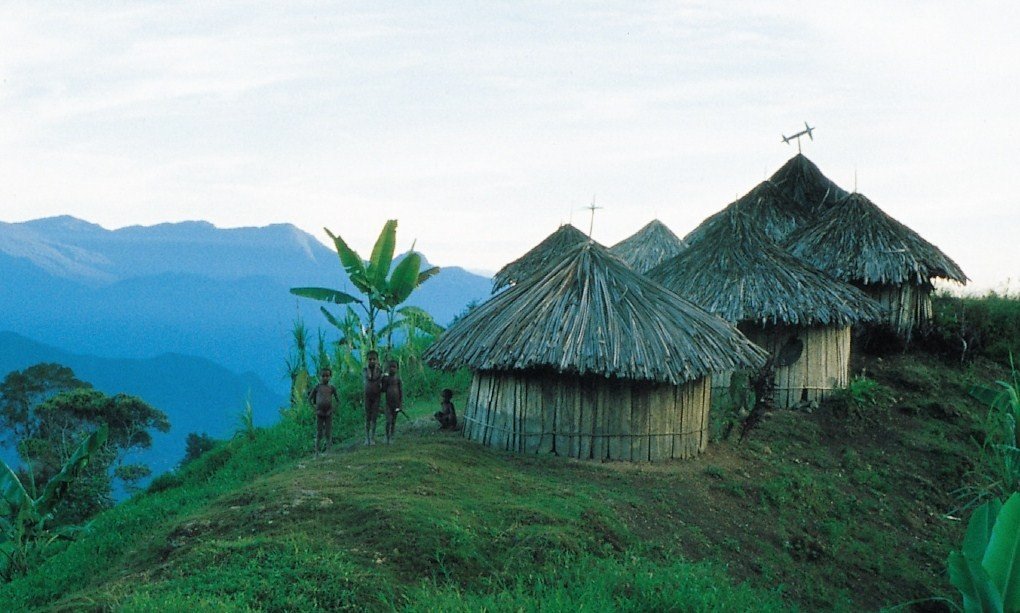
The Indigenous Tribes in Papua – Part 4
Papua’s cultural richness is reflected in the diversity of its indigenous tribes, especially those living in the Central Highlands. In this final part, we highlight the Yali, Nduga, Damal, and Mee tribes, whose traditions, livelihoods, and belief systems continue to shape Papua’s identity today. The Yali Tribe The Yali Tribe is administratively located in Yahukimo…
-

Rain, Rock, and Resilience: How Papua’s Mountain Climate Shapes Its Ecosystems
Rain, Rock, and Resilience: How Papua’s Mountain Climate Shapes Its Ecosystems Papua’s mountain ecosystems are shaped by some of the most extreme climatic conditions in the tropics. High rainfall, rugged rocky terrain, and rapid changes in temperature create a challenging environment where only highly adapted plants and animals can survive. These conditions form unique ecosystems…
-
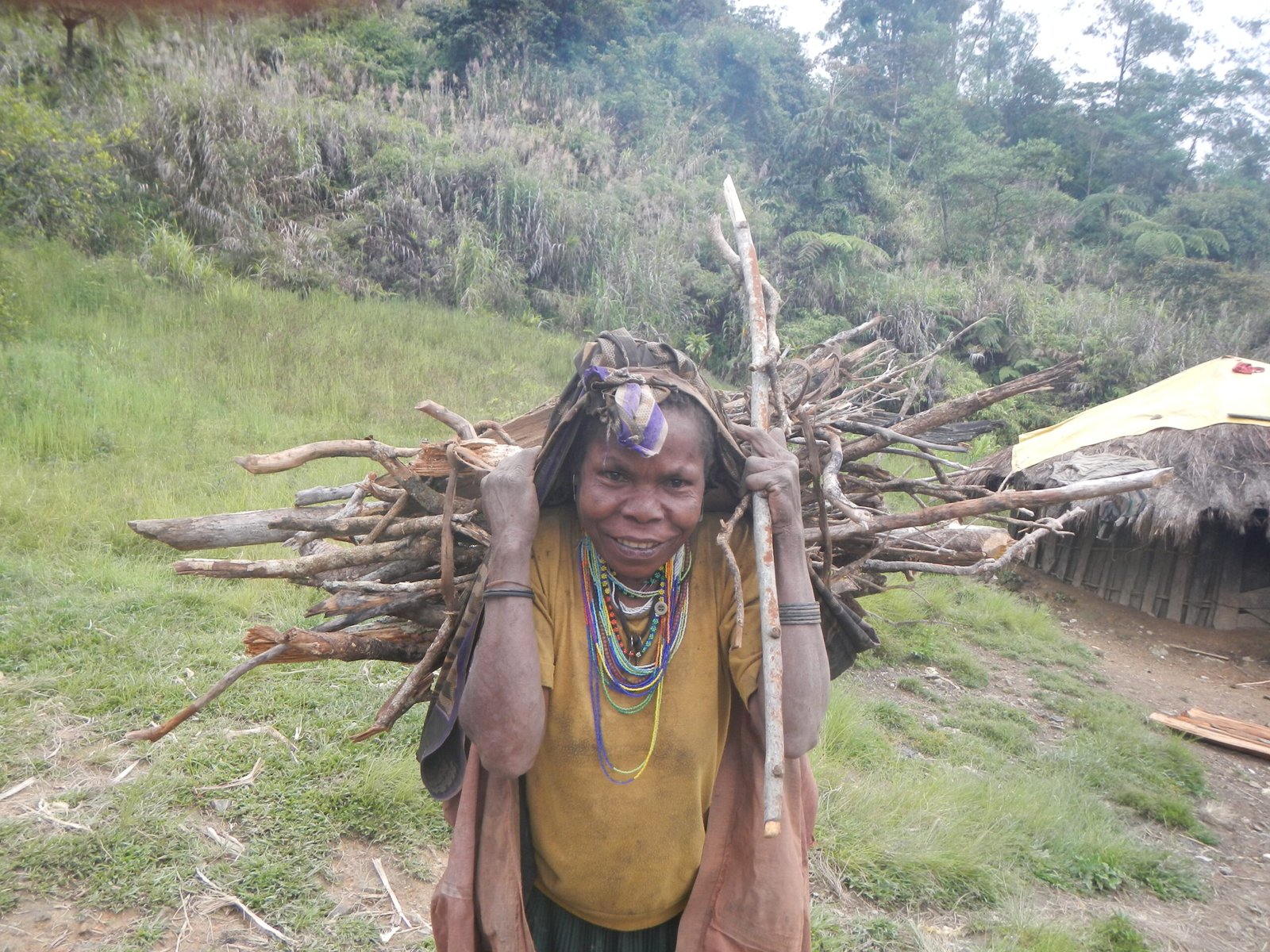
Living with the Mountains: How Highland Communities Adapt to Papua’s Extreme Environment
Living with the Mountains: How Highland Communities Adapt to Papua’s Extreme Environment Highland communities in Papua have lived for centuries in one of the most challenging mountain environments in the world. Steep terrain, cold temperatures, heavy rainfall, and limited access to resources have shaped a way of life that is deeply connected to nature. Rather…
-

The Indigenous Tribes in Papua – Part 3
Papua is home to hundreds of indigenous tribes, each with its own traditions, belief systems, and ways of life shaped by geography and history. In this third part, we highlight four more indigenous tribes of Papua: the Moni, Muyu, Sentani, and Kamoro tribes. The Moni TribeThe Moni Tribe inhabits the highland regions of Intan Jaya…
-

Ethical Mountaineering: Respecting Communities and Biodiversity in Papua
Ethical Mountaineering: Respecting Communities and Biodiversity in Papua Mountaineering in Papua is not only a physical challenge but also a cultural and environmental responsibility. The mountains of Papua are home to indigenous communities and some of the richest biodiversity on Earth. Ethical mountaineering is essential to ensure that exploration does not harm the people or…
