

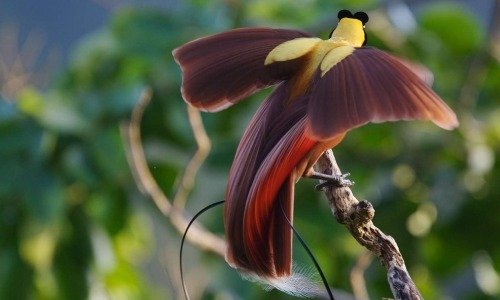
The Birds of Paradise are among the most iconic wildlife species of Papua, symbolizing both natural beauty and ecological richness. While many people associate these birds with lowland rainforests, several species thrive in Papua’s mountainous regions, where they play an important role in maintaining healthy ecosystems.
Mountain forests provide ideal habitats for Birds of Paradise, offering dense vegetation, tall trees for display rituals, and abundant food sources such as fruits, insects, and small invertebrates. The cool temperatures and high humidity of these highland environments support diverse plant life, which in turn sustains bird populations.
Ecologically, Birds of Paradise contribute to seed dispersal across mountain forests. As they move between trees and feeding areas, they help spread plant species, supporting forest regeneration and biodiversity. Their presence is often an indicator of a well-preserved ecosystem, as these birds are sensitive to habitat disturbance.
For local communities, Birds of Paradise hold deep cultural significance. They appear in traditional stories, symbols, and ceremonies, representing harmony between humans and nature. Protecting these birds also means protecting cultural heritage that has existed for generations.
Papua Mountaineering Association recognizes that responsible mountaineering must respect wildlife habitats. Disturbance to nesting areas, excessive noise, and forest damage can threaten sensitive species such as Birds of Paradise. By promoting ethical travel and environmental awareness, mountaineers can help ensure that Papua’s mountain ecosystems remain intact.
In Papua’s highlands, the survival of Birds of Paradise is closely tied to the health of the forest. Protecting one means safeguarding the other for future generations.
