The Carstensz Pyramid Experience: From Basecamp to Summit
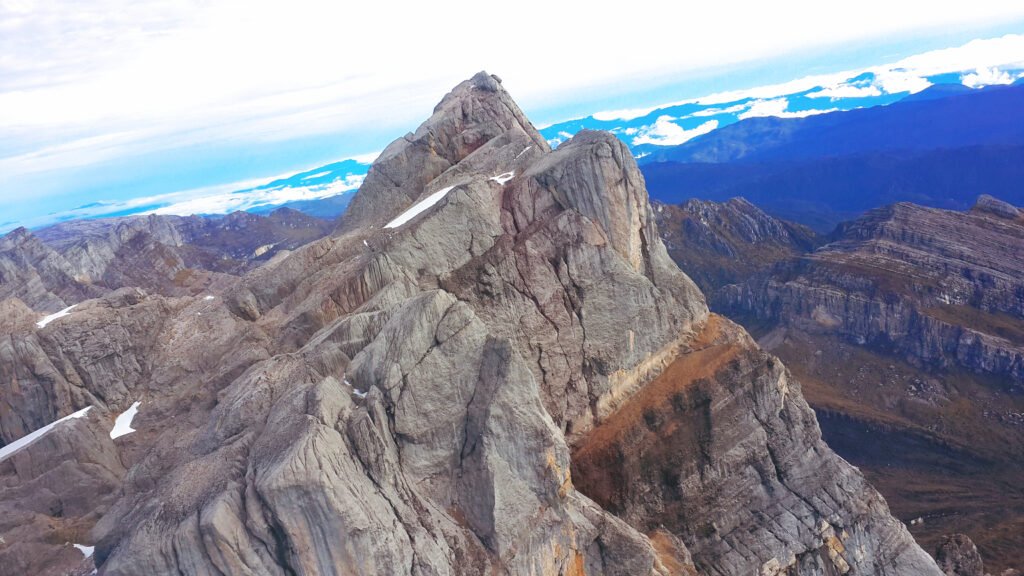
The Carstensz Pyramid is not an easily accessible mountain. Standing as a limestone wall sculpted by time, weather, and altitude, it rises dramatically from the center of Papua’s Jayawijaya Mountains. Carstensz is more than just a goal for those who try to climb it; it’s a journey that starts well before the summit and continues long after the descent.
From basecamp to peak, this is a true account of what it’s like to climb the Carstensz Pyramid.
Basecamp: Yellow Valley, the Shape of the Journey
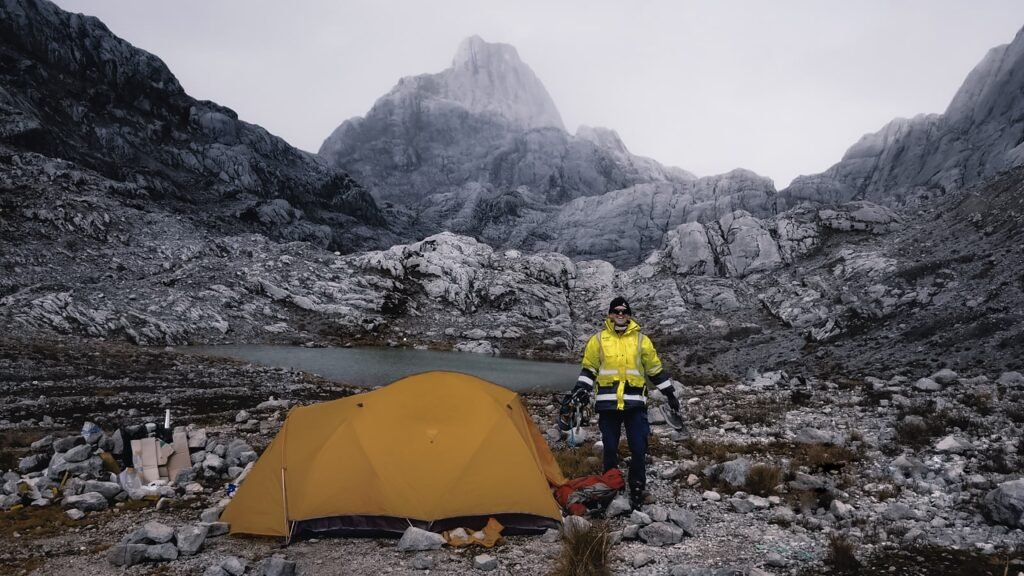
Carstensz fully manifests itself at Yellow Valley Basecamp. Overhead, the limestone massif in the shape of a pyramid is frequently obscured by erratic clouds. Despite being only a few degrees south of the equator, climbers are reminded that they are visitors in a hostile alpine environment.
Basecamp days are dominated by preparation. Weather windows are attentively watched, harnesses are installed, and ropes are inspected. Talk alternates between calm introspection and technical debates. Early on, Carstensz demands respect; mistakes made here are compensated for later. Climbers also become used to isolation and altitude at this point. Beyond what the team provides, there are no shortcuts or extra amenities. The beat is established by the mountain.
As soon as they leave basecamp, Carstensz’s character is established by the terrain. Every stride is slowed by the combination of slick terrain, sharp limestone, and erratic weather. The rock is harsh, requiring precise foot placement and unwavering concentration. The limestone of Carstensz slices and grabs erratically, in contrast to volcanic mountains. Even before getting to the technical parts, gloves are inspected for tearing, boots are scraped, and balance is assessed. The silence thickens, the air becomes thinner, and deeper breathing is required. Patience is taught at this period. Progress is gradual rather than rapid.
The Carstensz Pyramid is renowned for its exposed and vertical portions. Ascenders, descenders, harnesses, and fixed ropes become necessary equipment. Climbing becomes more technical than physical at this point. Every action is intentional. Climbers advance one by one, depending entirely on safety devices and guide directions as their hands look for safe holds in damp limestone and their feet test tight ledges. Fear does exist, but instead of halting activity, it sharpens attention. The most significant asset is trust, both in the team and in the equipment.
There is no sensation of conquest when standing atop the Carstensz Pyramid, also called Nemangkawi in the native dialect. The view, which frequently disappears before clouds reclaim the peak, spans the untamed highlands of Papua. Relief, thankfulness, and humility are present. The top is transient, tiny, and exposed. It just calls for recognition, not celebration. Climbers now realize that reaching the summit was permitted, not taken.
Carstensz is just as difficult to descend as it is to climb. Risk is increased by wet ropes, worn-out legs, and shifting weather. Absolute concentration is required. Carstensz is more hazardous on the descent, according to several experienced climbers. Every rappel calls for accuracy and awareness on each step. Complacency is not pardoned by the mountain. The real test of success is getting back to basecamp without incident.
Climbers are not unaltered by the Carstensz Pyramid. It eliminates ego and replaces it with respect for limitations, nature, and teamwork.
This is not a peak climbed for prestige or numbers. It is climbed in order to comprehend. The reward for those who reach the top of Nemangkawi and make it back safely is not the summit picture, but rather the silent wisdom they have gained along the way.
