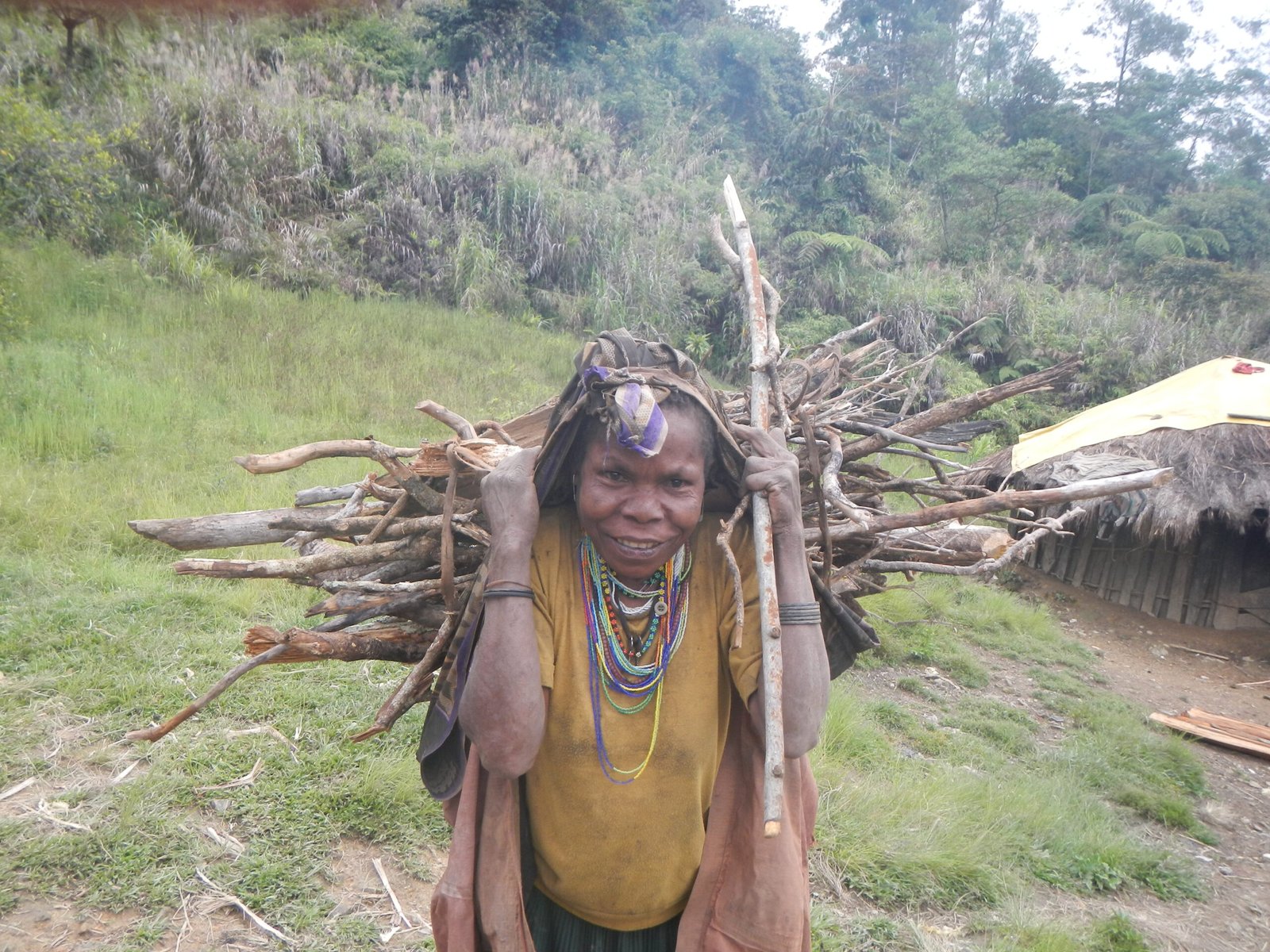
Living with the Mountains: How Highland Communities Adapt to Papua’s Extreme Environment
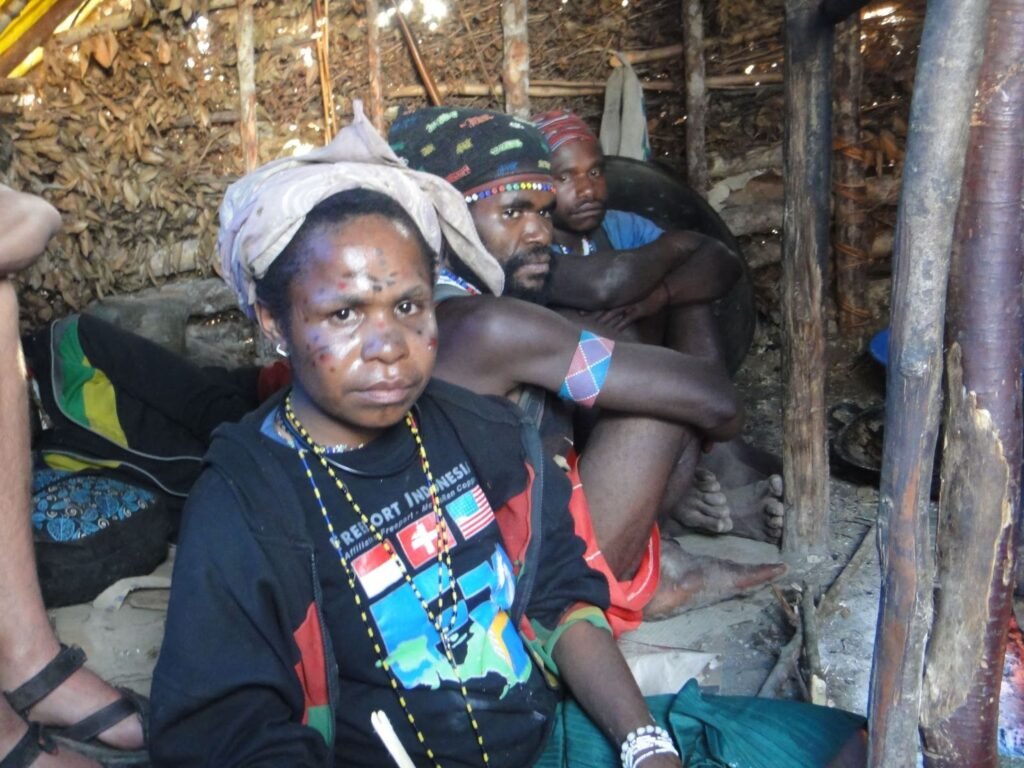
Highland communities in Papua have lived for centuries in one of the most challenging mountain environments in the world. Steep terrain, cold temperatures, heavy rainfall, and limited access to resources have shaped a way of life that is deeply connected to nature. Rather than resisting these conditions, local communities have learned to adapt and live in balance with their surroundings.
Daily activities are closely aligned with environmental conditions. Homes are built using local materials that provide insulation against cold nights and strong winds. Farming practices are adapted to mountainous land, with crops selected for their ability to grow in poor soil and changing weather. Knowledge of seasonal patterns helps communities decide when to plant, harvest, or travel safely through the mountains.
Adaptation also relies on strong social cooperation. Community members share food, labor, and knowledge to survive in remote areas. This collective system reduces risk and strengthens resilience during periods of extreme weather or limited resources. Oral traditions play an important role in passing down survival knowledge from one generation to the next.
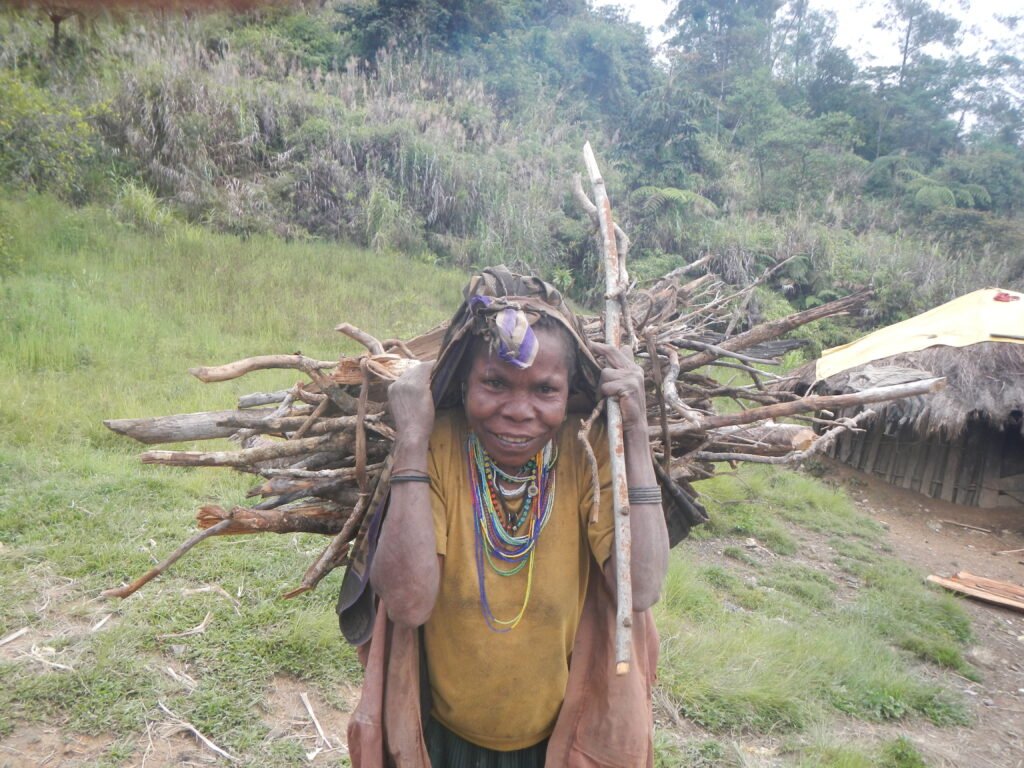
The surrounding natural environment provides more than physical support. Forests and mountain ecosystems supply food, medicine, clean water, and spiritual meaning. Protecting these landscapes is essential, as environmental damage directly affects community survival.
For Papua Mountaineering Association, understanding how local communities adapt to extreme mountain environments is key to responsible mountaineering. Respecting local knowledge and lifestyles ensures that exploration does not disrupt the delicate relationship between people and nature.
In Papua, living with the mountains is not a choice but a legacy of resilience, cooperation, and deep environmental understanding.

Tinggalkan Balasan