Ethical Mountaineering: Respecting Communities and Biodiversity in Papua
Mountaineering in Papua is not only a physical challenge but also a cultural and environmental responsibility. The mountains of Papua are home to indigenous communities and some of the richest biodiversity on Earth. Ethical mountaineering is essential to ensure that exploration does not harm the people or ecosystems that have existed there for generations.
Respect for local communities is a fundamental principle of ethical mountaineering. Indigenous people are not visitors in these mountains; they are long-term guardians of the land. Ethical climbers acknowledge local customs, seek permission when entering traditional areas, and involve local guides and porters in a fair and respectful manner. This approach supports local livelihoods while fostering mutual trust and understanding.
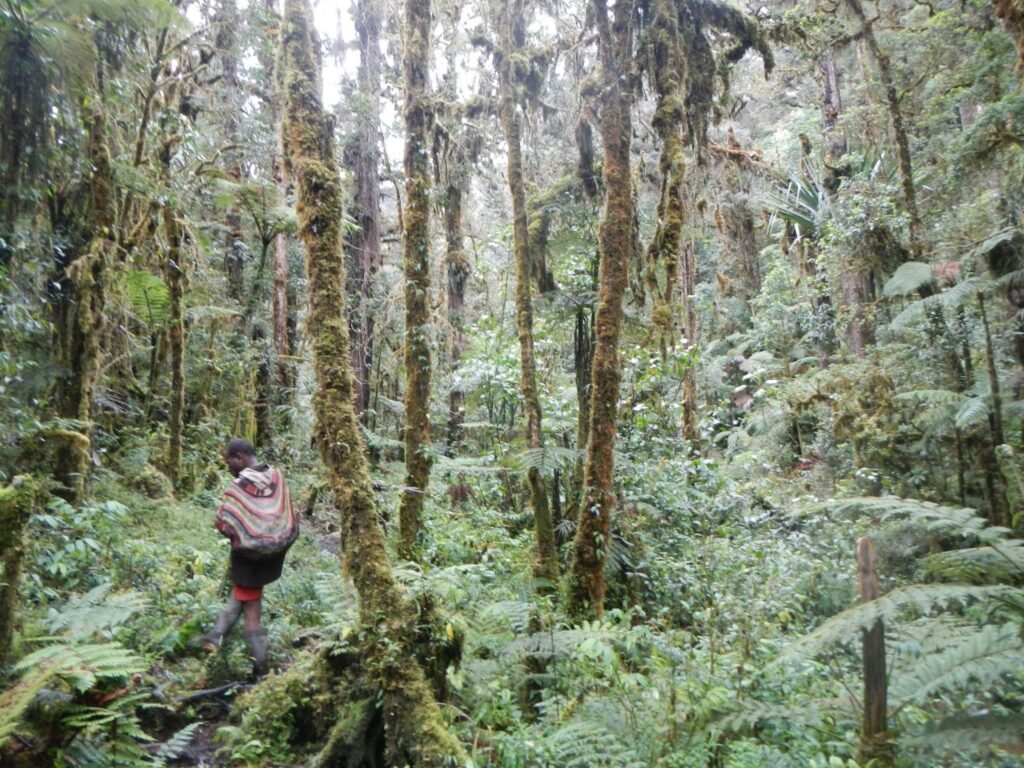
Equally important is respect for biodiversity. Papua’s mountain ecosystems are fragile and slow to recover from damage. Improper waste disposal, off-trail hiking, and disturbance to wildlife can cause long-term environmental harm. Ethical mountaineering follows strict principles such as minimizing impact, protecting water sources, and avoiding sensitive habitats, especially in high-altitude zones.
Papua Mountaineering Association promotes ethical practices as a core value of responsible adventure. By combining modern mountaineering standards with local wisdom and environmental awareness, expeditions can be conducted safely without sacrificing cultural or ecological integrity.
In Papua, ethical mountaineering means understanding that climbers are guests. Respecting communities and biodiversity ensures that the mountains remain a source of life, identity, and inspiration for generations to come.