From Moss Forests to Alpine Meadows: The Unique Flora of Papua’s Mountains
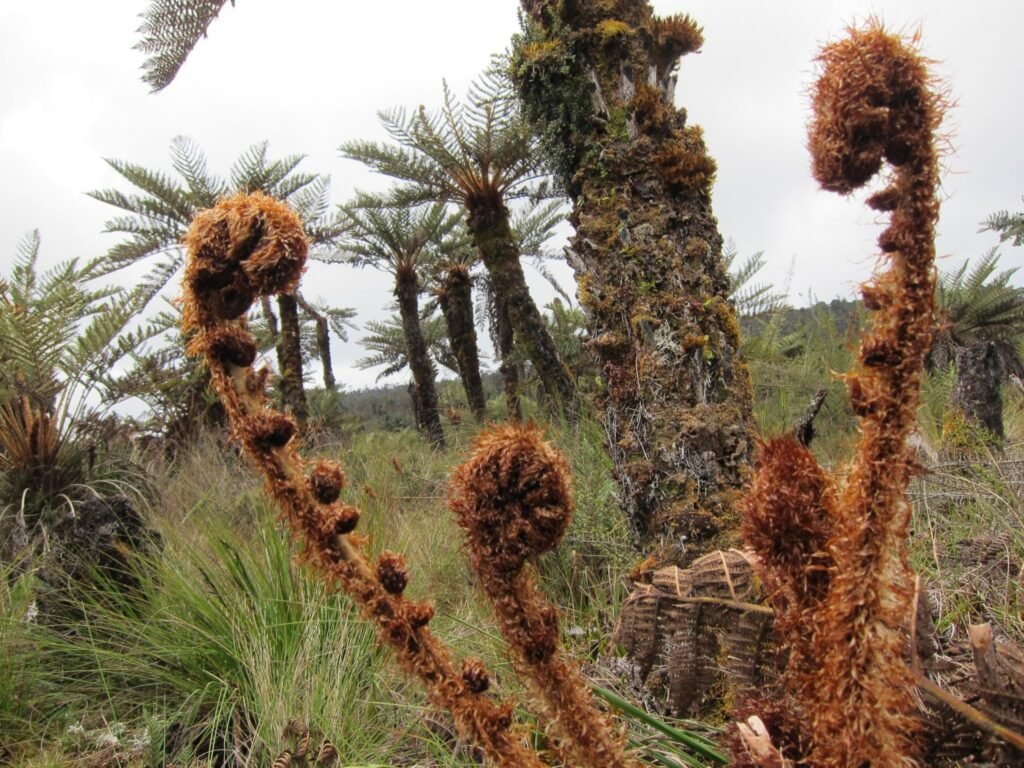
The mountains of Papua host one of the most remarkable plant ecosystems in the world, shaped by extreme altitude, high rainfall, and long-term isolation. As elevation increases, the landscape transforms dramatically, revealing distinct vegetation zones that cannot be found anywhere else in Indonesia.
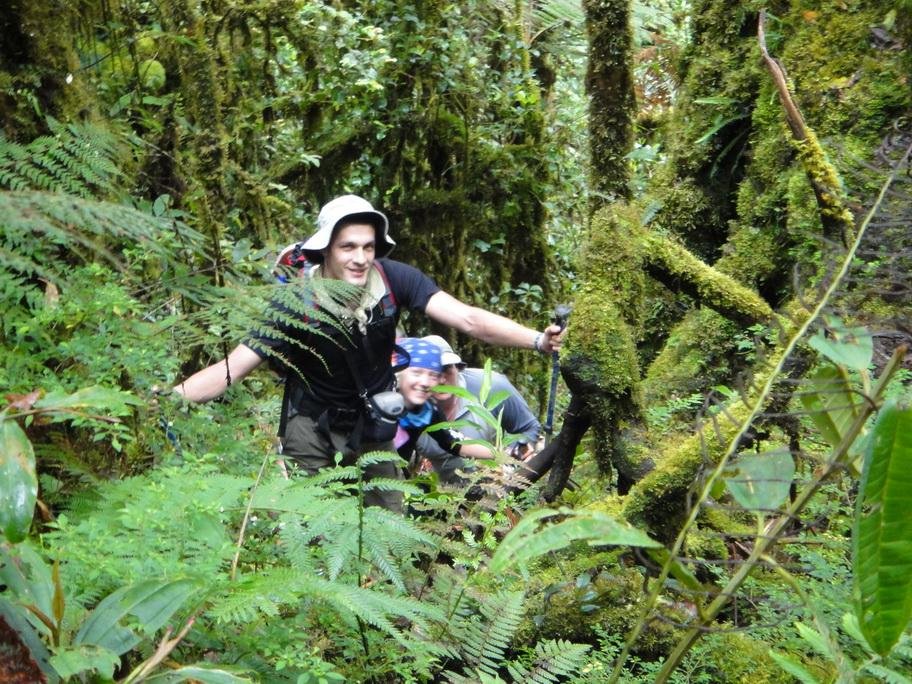
At mid-elevations, dense moss forests dominate the slopes. Trees, rocks, and even the ground are covered in thick layers of moss, lichens, and ferns. Constant moisture and cool temperatures create an environment where epiphytic plants thrive, playing an important role in water storage and soil protection. These forests act as natural sponges, regulating water flow and supporting surrounding ecosystems.
Above the tree line, the terrain opens into alpine meadows. Here, plants are smaller, tougher, and highly specialized. Low shrubs, grasses, and endemic flowering plants survive strong winds, intense sunlight, and freezing temperatures at night. Many species have adapted to grow close to the ground to reduce exposure and conserve energy.
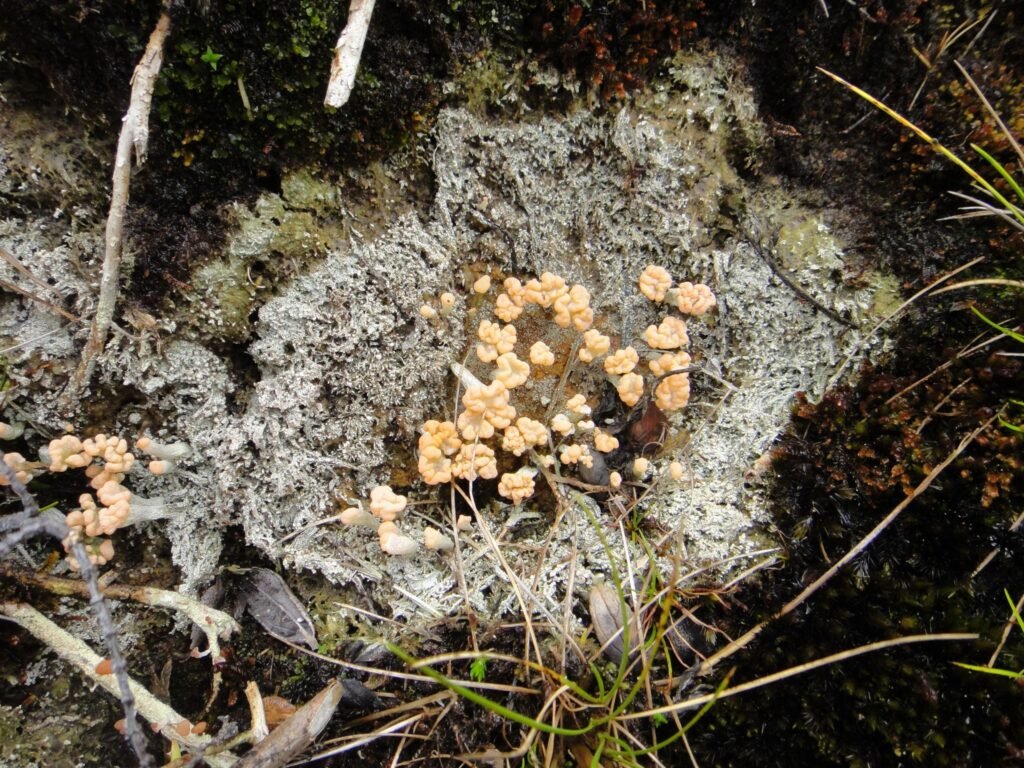
This unique floral transition reflects the resilience of nature in Papua’s highlands. For mountaineers, understanding these ecosystems is essential. Every step taken through these zones passes through fragile habitats that take decades to recover. Papua Mountaineering Association emphasizes responsible travel, ensuring that exploration respects the delicate balance between adventure and conservation.
Papua’s mountain flora is not only visually striking but also vital to the health of the entire region. Protecting it means preserving the foundation of life that exists from forest floor to alpine peak.
