
The Unique Flora of the Jayawijaya Mountains: Exploring the Tropical Alpine Vegetation Around Carstensz
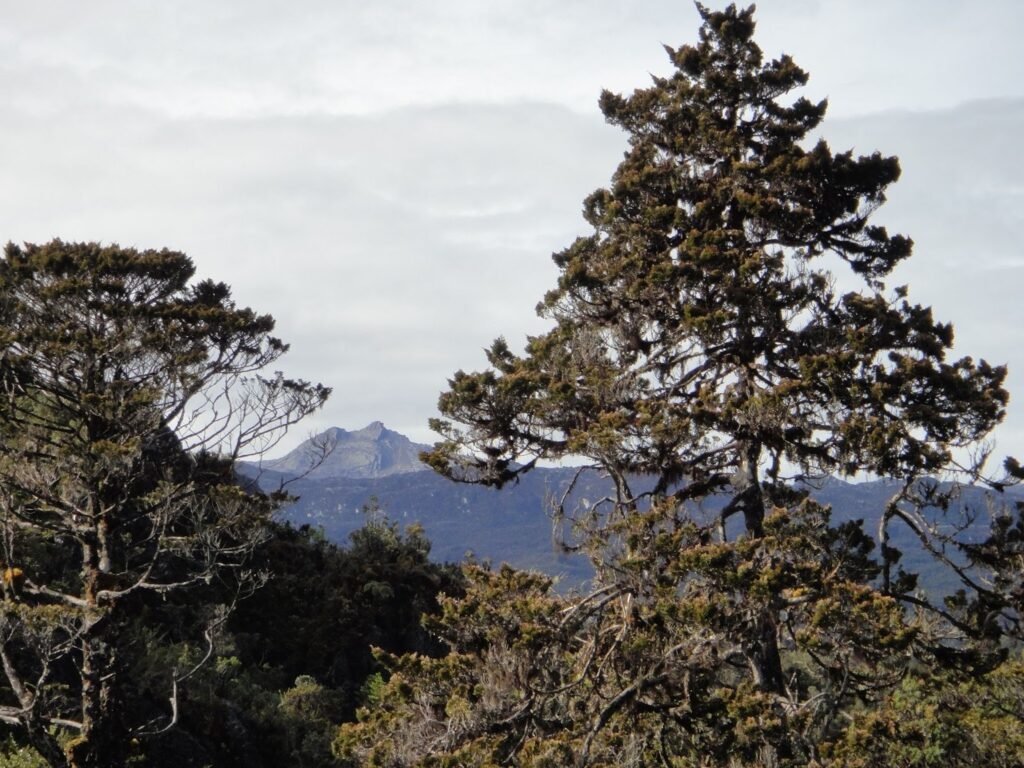
Nestled in the highlands of Papua, the Jayawijaya Mountains home to the iconic Carstensz Pyramid harbor one of the world’s rarest ecosystems: a tropical alpine environment. This ecological zone is found in only a handful of places on Earth, making the region’s plant life a treasure trove for biologists, adventurers, and nature enthusiasts.
A Rare Tropical Alpine Ecosystem
Unlike the lush lowland rainforests Papua is known for, the alpine zone around Carstensz features rugged terrain, thin air, fluctuating temperatures, and high precipitation. These conditions push local flora to evolve extraordinary survival strategies.
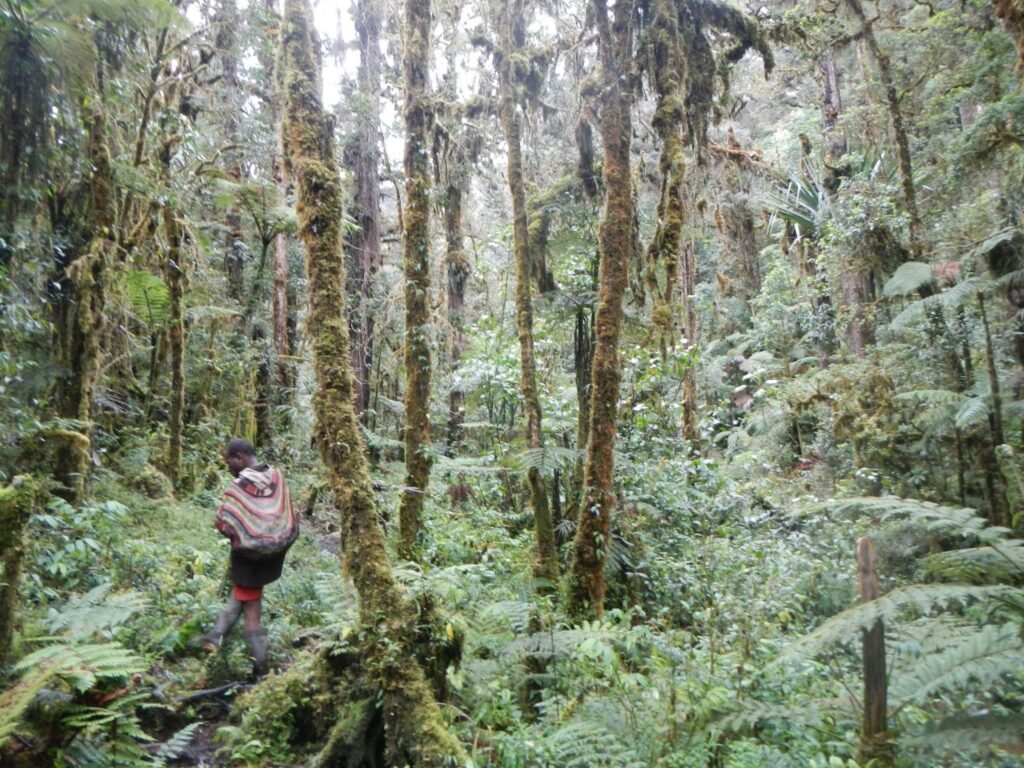
Here, vegetation appears minimal at a glance, yet the diversity hidden in the rocky landscape is astonishing. Mosses, lichens, and alpine grasses dominate the surface, forming a resilient plant community that thrives in harsh conditions.
Key Plant Species in the Carstensz Region
Some notable flora thriving in this unique environment include:
1. Mosses and Lichens
Carpets of moss and thick layers of lichen cover the rocks and soil, retaining moisture and helping stabilize the fragile alpine ecosystem.
2. Alpine Grasses and Shrubs
These low-growing plants are adapted to withstand strong winds, cold temperatures, and poor soil nutrients. Their roots help prevent erosion on steep slopes.
3. Cushion Plants
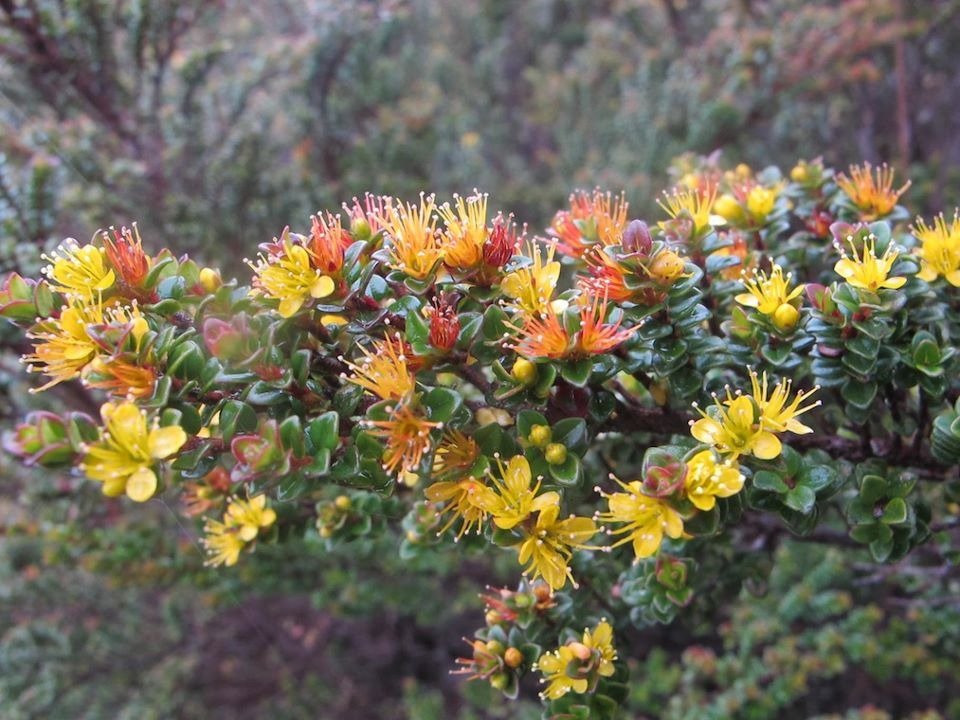
Small, compact plants that grow in rounded forms close to the ground. This shape helps them conserve heat and survive temperature shifts between day and night.
Adaptation in Extreme Environments
Flora in the Carstensz region exhibit remarkable adaptations:
- Slow growth cycles due to limited nutrients
- Specialized root systems that anchor into rocky surfaces
- High tolerance to UV exposure at high altitude
- Moisture retention strategies in a cold, wet climate
These adaptations underline how biologically rich and scientifically significant the Jayawijaya alpine zone truly is.
Conservation and Environmental Challenges
Despite its remoteness, the flora of Carstensz faces threats from:
- climate change
- glacial retreat
- increased human activity and expedition routes
Protecting this fragile ecosystem is essential to preserving one of the world’s last untouched alpine environments.
A Living Laboratory for Nature Lovers
For climbers and explorers, the flora around Carstensz adds a new dimension to the adventure. Every step toward the summit reveals a landscape shaped by millions of years of evolution an ecosystem as rare as the peak itself.
