Why Not All Climbing Routes Need to Be Open to the Public
As more and more people become interested in hiking, there is a perception that every mountain and trail should be accessible to the public without restriction. However, in Papua, this view does not always reflect the actual conditions. For hiking organizations and traditional land managers, opening hiking trails is not just a matter of access, but also a major decision related to human safety, environmental protection, and the sustainability of local culture.
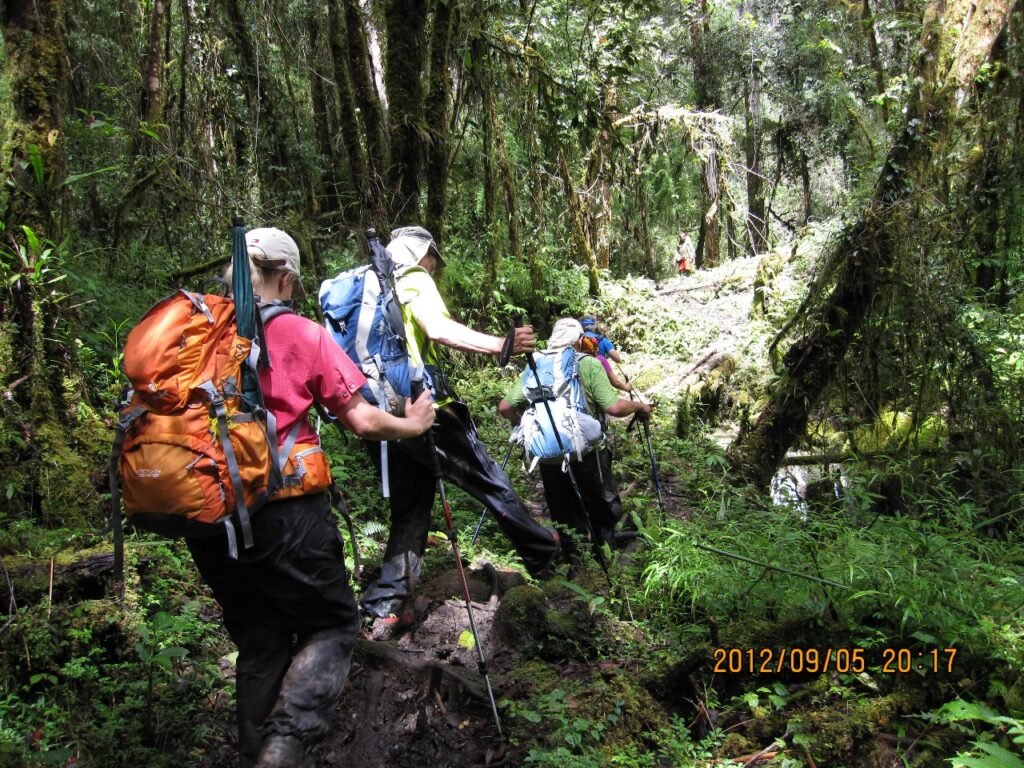
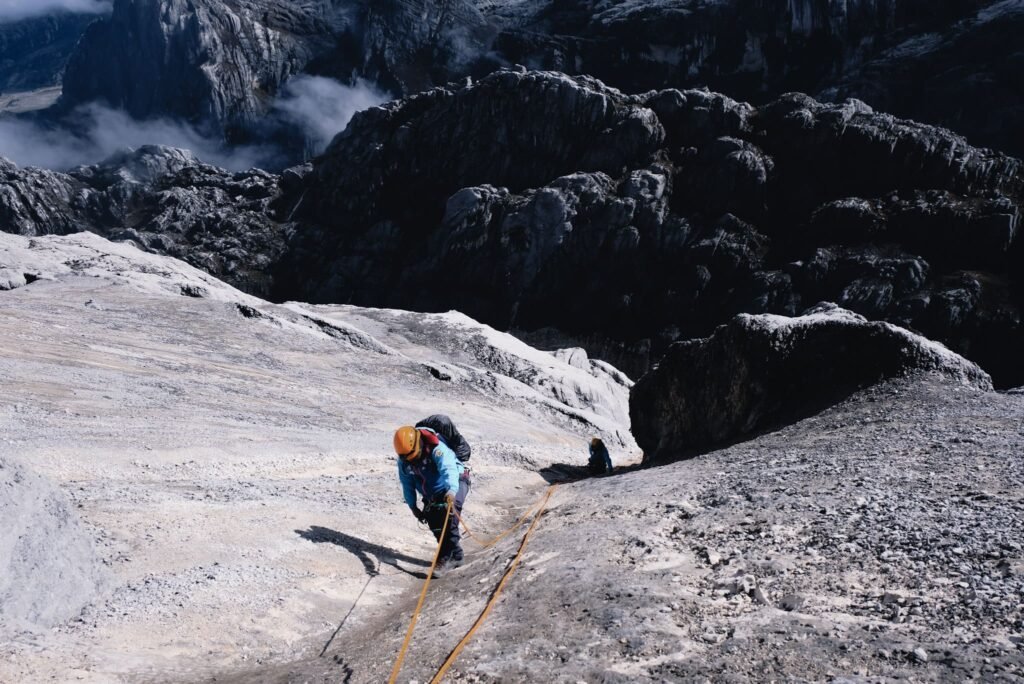
Not all trails are designed to be traversed by large numbers of people. In the mountains of Papua especially in the Jayawijaya Mountains some trails should remain closed or restricted in order to preserve a very fragile balance.Unlike the famous climbing routes in other parts of Indonesia, many routes in Papua are highly challenging. Vertical walls, fragile limestone, deep valleys, and rapid weather changes make some trails only safe for climbers with specific skills.
Opening such trails without a selection process and supervision will significantly increase the risk of accidents. In Papua, evacuation processes cannot be carried out quickly. A small mistake can have fatal consequences, both for climbers and rescue teams. For climbing organizations, closing or restricting access to trails is not a form of exclusivity, but rather a preventive measure. In Papua, mountains are not merely natural landscapes, but also part of the social and spiritual system of local communities. Many trails that cross customary areas have profound meanings as sacred spaces, traditional hunting grounds, or markers of ancestral history.
Opening new trails without permission and participation from the local community has the potential to cause conflict and damage long-term relationships. Therefore, decisions to open or close trails must be in line with customary dialogue and respect customary rights. In this context, trail restrictions are a form of respect for landowners. For climbing organizations in Papua, the decision not to open all routes is part of their ethical and professional responsibility. Mountains are not free from danger, and organizations do not want to create the impression that climbing is an activity that can be undertaken without sufficient preparation.
By limiting access to certain routes, they seek to protect safety, the environment, and the social relationships that have been built up over many years. For climbing organizations in Papua, the decision not to open all routes is part of their ethical and professional responsibility. Mountains are not without danger, and organizations do not want to create the impression that climbing is an activity that can be done without adequate preparation.
By limiting access to certain routes, they seek to protect safety, the environment, and the social relationships that have been built over many years.
