Ever Wondered Why People Climb Mountains?
Behind the cool mountain air and steep climbing terrain, there is one question that often arises: why do people bother to climb mountains? This question seems simple, but the answer carries psychological, emotional, and spiritual dimensions that make climbing more than just a physical activity. This phenomenon shows that climbing has a deep meaning that continues to evolve over time.
For some, mountain climbing is a way to find themselves. At high altitudes, people are far from the hustle and bustle of the city and the distractions of technology. The peaceful atmosphere provides an opportunity for self-reflection, confronting thoughts that are usually ignored, and reconnecting with the much slower and more regular rhythm of nature. Many climbers describe this experience as a reflective moment that helps them build a new understanding of life and their own limitations.
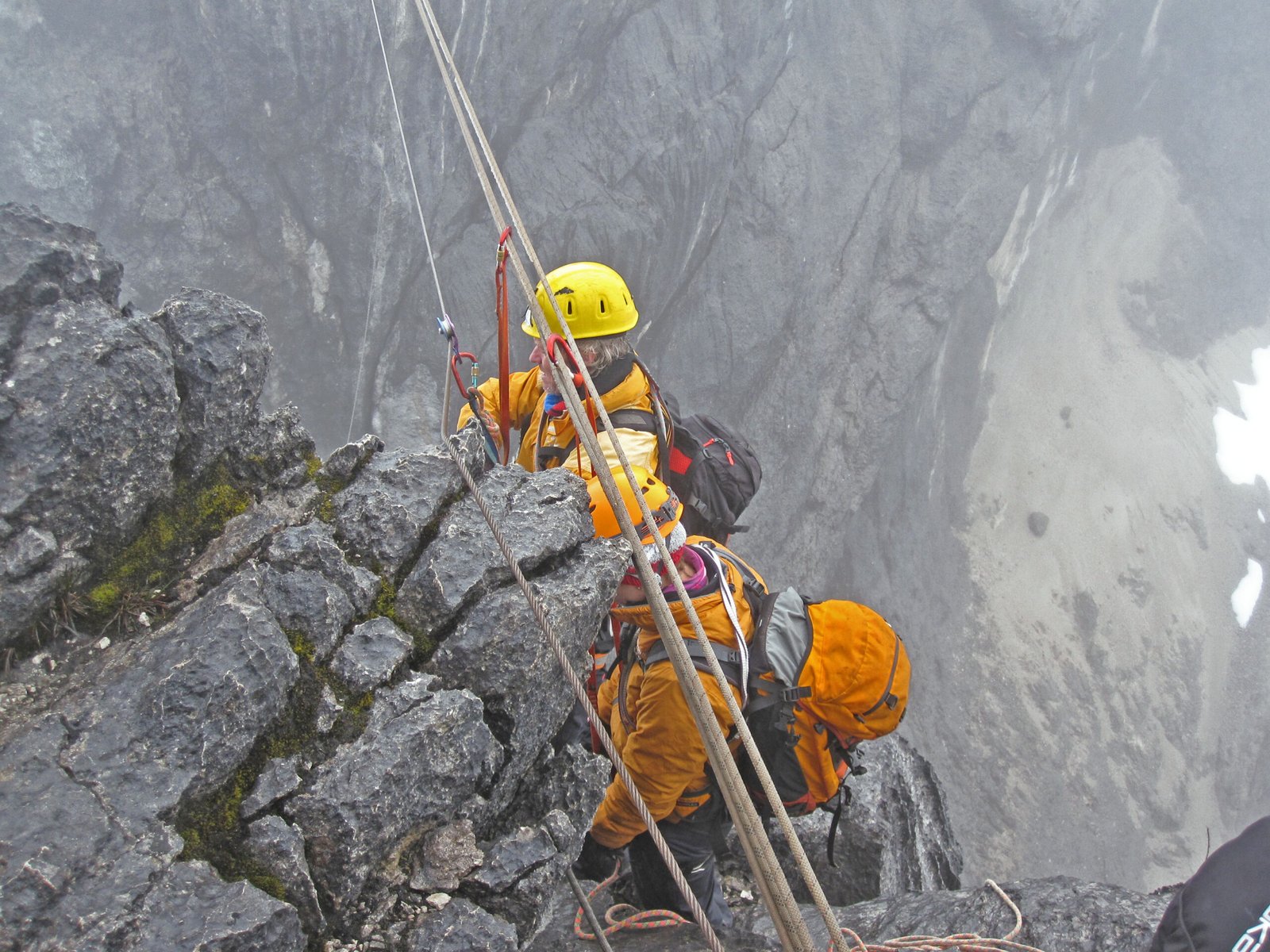
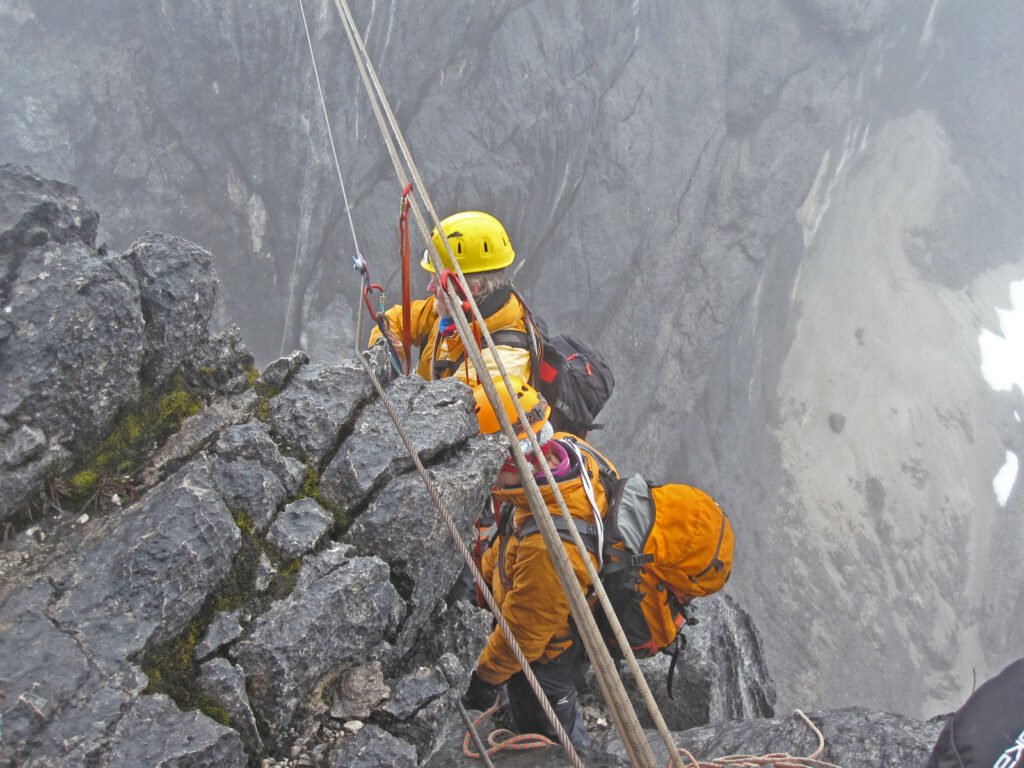
The reason for climbing is also closely related to the human need for challenge. Mountains offer obstacles that are not often encountered in everyday life, such as steep cliffs, extreme weather, and long, exhausting trails. However, through these challenges, climbers learn about mental resilience, self-discipline, and how to overcome fear. The summit is not only the highest point physically, but also a symbol of achievement attained through prolonged effort and perseverance.
Although trekking is often considered a personal activity, it also has a social aspect. Many friendships are formed on the trail, where cooperation, mutual support, and solidarity are key to reaching the summit safely. Small moments, such as sharing water, lighting a campfire together, or simply chatting during a break, often become memories that are far more meaningful than the view from the summit itself.
It is undeniable that mountains offer extraordinary natural beauty. The view of vast valleys, the sunlight shining on the peaks in the morning, and the sound of the wind blowing between the cliffs—all of these create a deeply sensory experience. For many climbers, this beauty is a compelling reason to return, even though they are aware that the journey is never easy.
Ultimately, the motivation for climbing mountains is a combination of the search for meaning, the desire to test oneself, the need for tranquility, and a sense of awe for nature. Every hiker has a different story, but they all find one commonality: transformation. Mountains offer everyone the opportunity to step away from routine, confront themselves, and celebrate achievements born from sincere effort. Perhaps this is why so many people continue to answer the mountain’s call, time and again.

Tinggalkan Balasan