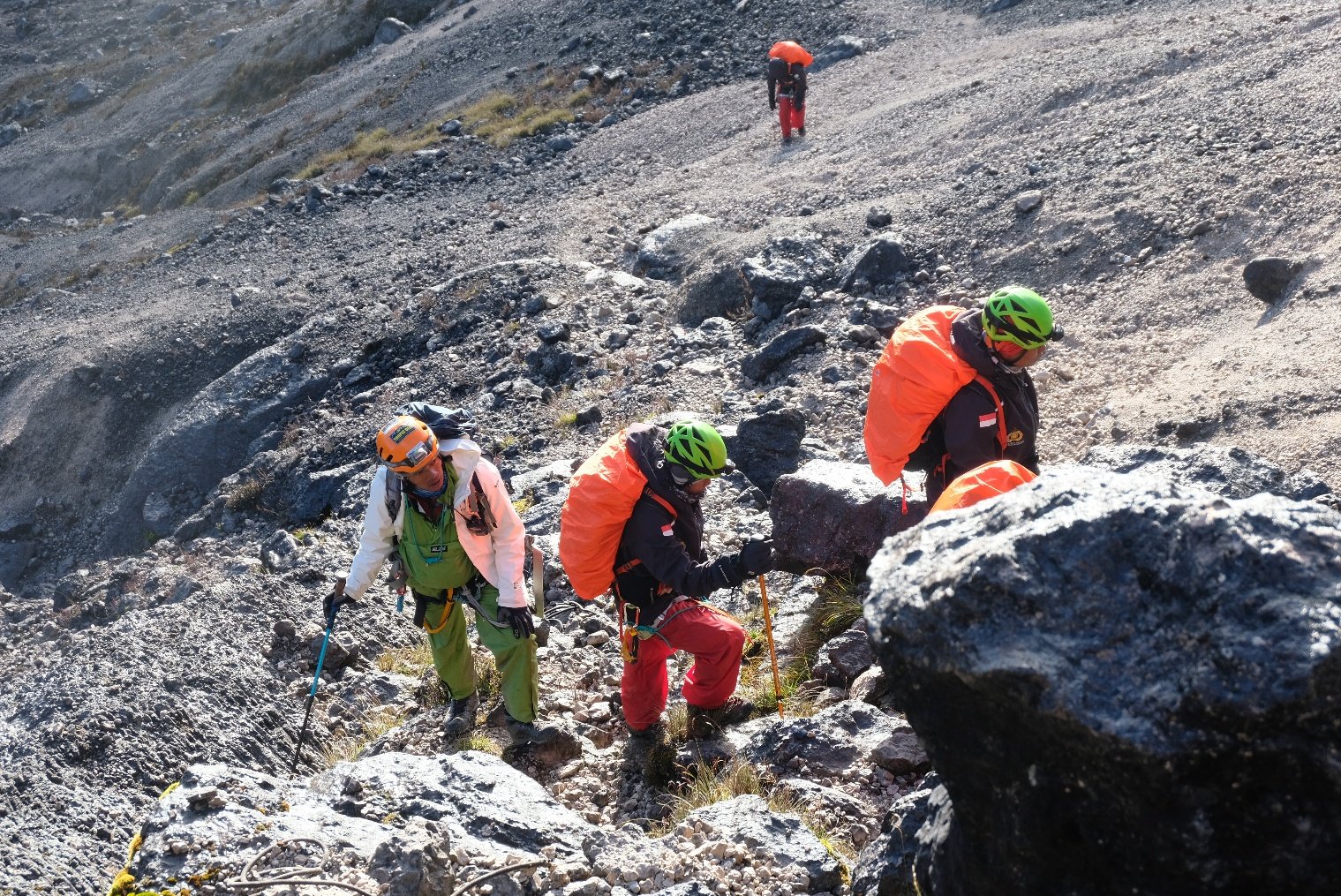
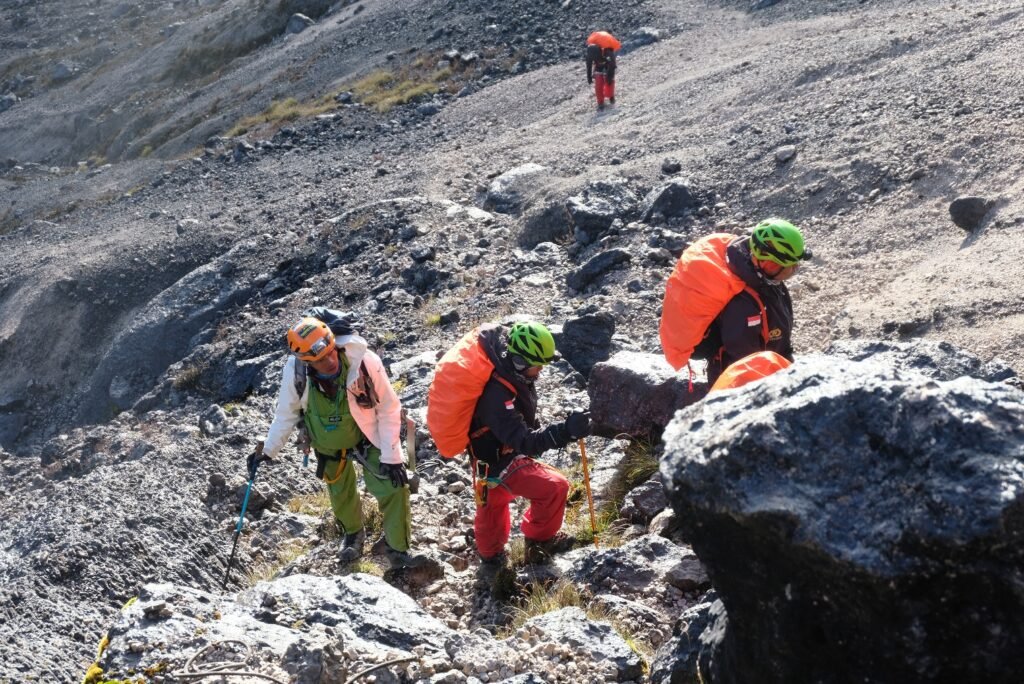
Before someone actually sets foot on a trail the most basic thing to understand is the character of the mountain they are about to climb. Every mountain has its own story personality and challenges Some mountains are friendly for beginners while others are extreme and demand technical skills. Understanding the character of a mountain is not just theory it is the foundation for safety and comfort during the climb
Here are the main points every climber should know with explanations to make it practical and easy to remember
- Type of Terrain and Trail
Every mountain has a different terrain Some trails are rocky slippery with moss or covered in wet forest while others are filled with sharp karst formations like Carstensz. Knowing the type of terrain helps climbers prepare properly choose the right shoes bring the right gear and understand how to pace themselves
Different terrains require different walking techniques Forest trails are often wet and slippery rocky trails need extra balance and technical vertical routes demand climbing skills Understanding this helps prevent injuries and reduces the risk of getting lost or exhausted too quickly
- Weather and Mountain Climate Patterns
Weather on the mountain can change very quickly In just a few minutes a clear sky can turn into thick fog or heavy rain Recognizing weather patterns is an important part of climbing education
Climbers need to know when it usually rains how temperature changes with altitude and the risk of storms or dense fog Understanding the weather helps climbers plan when to start their hike when to take breaks and how to manage their energy It also helps them choose the right clothing and gear to stay warm and safe
- Natural Risks and Trail Challenges
No mountain is without risk Every mountain has potential dangers big or small For example trails prone to landslides steep cliffs rivers that must be crossed loose rocks or extreme elevation that can cause altitude sickness
Knowing these risks is not to scare climbers but to prepare them With this knowledge they can learn basic safety techniques plan their route and stay alert throughout the climb
- Social and Cultural Context Around the Mountain
Often overlooked the cultural aspect is also part of a mountain’s character Many mountains in Indonesia are located in indigenous areas including the highlands of Papua Understanding and respecting local rules customs and traditions is an important part of preparation
Climbers who know the local culture are more likely to interact respectfully be appreciated by the local community and avoid misunderstandings This helps keep the trail open and protected for future visitors
Conclusion
Understanding a mountain’s character is not a trivial matter It is the first step that determines the quality of the climb By knowing what the terrain is like how the weather behaves what risks to expect and what the local culture is climbers are better prepared physically mentally and technically This knowledge makes the climb not only safer but also more meaningful

Tinggalkan Balasan